Personalising a wedding means putting genuine pieces of yourselves into it, not just picking a Pinterest-perfect colour palette and calling it done. It takes more time and more intention than following a template, but it's also the difference between a wedding that looks nice and a wedding your guests describe as "so completely them" years later. Here are nine real ways to do it.
1. Give Yourself Enough Time
Personalising a wedding properly takes months, not weeks. It means thinking carefully about each element rather than defaulting to whatever the venue or vendor suggests first. Start early enough that you have room to make thoughtful choices rather than rushed ones under deadline pressure. A rushed wedding tends to default back to generic decisions simply because there's no time left to consider alternatives.
2. Choose a Venue That Means Something
Your venue sets the tone for everything else, so start here. Book lovers might light up at a characterful old library or museum space; nature lovers might feel most at home in a garden, forest clearing or a spot overlooking the sea. If there's a restaurant, hotel or estate that holds real meaning for you, where you had a first date, where you got engaged, consider hosting there instead of defaulting to the most obvious wedding venue in your area. A venue chosen for genuine meaning rather than just capacity and price tends to shape a day that feels personal from the moment guests arrive.
3. Let Your Theme Reflect Who You Actually Are
A white wedding is no longer the only option, or even the default expectation. Think beyond the obvious: a single design element woven consistently through your décor, an elaborate theme built around a shared interest, or a subtle nod to a favourite book, film or era. Whatever direction you choose, make sure it means something specific to the two of you rather than being borrowed wholesale from a trend you've seen repeated at every wedding this year.
4. Choose Flowers With Meaning, Not Just Colour
Flowers do more than fill vases. Consider blooms that carry personal significance: your grandmother's favourite flower, the variety that grew in your childhood garden, or flowers native to the place you got engaged. If a specific flower means something to you but isn't in season on your wedding date, ask your florist about a close substitute that captures a similar feel, or consider shifting a few stems to a bouquet or boutonnière rather than the full floral scheme, so the meaningful choice is still present even if it can't be the whole story.
5. Personalise Your Vows and Readings
Standard vows are fine if they genuinely reflect how you feel, but writing even a portion of your own words, alongside or instead of traditional vows, makes the ceremony unmistakably yours. The same goes for readings: instead of the most commonly used poem at every wedding you've attended, look for something less expected, a passage from a book you both love, a poem discovered together, or lyrics from a song that means something specific to your relationship.
6. Build a Menu That Tells Your Story
Food is one of the most memorable, and most overlooked, opportunities for personalisation. Instead of a standard banquet menu, consider dishes that mean something: a recipe from a family member, the meal from your first date recreated as a starter, a specific regional cuisine tied to your heritage or where you met. Even small touches, a signature cocktail named after an inside joke, your grandmother's dessert recipe served alongside the wedding cake, give guests a genuine taste of who you are as a couple.
7. Curate a Playlist That's Actually Yours
Handing your entire evening over to a generic wedding playlist is a missed opportunity. Work with your DJ or band on a set list that reflects music you both genuinely love, songs from your relationship's own soundtrack, the song that was playing when you met, your first dance song chosen for a real reason rather than because it's popular this year. Guests notice, and remember, a wedding with a distinctive musical identity far more than one built from a stock "top wedding songs" list.
8. Personalise the Small Details Guests Actually Touch
Favours, place cards, the guest book, the signage, these are small, low-cost opportunities to inject personality into your day. A guest book that doubles as something useful afterwards (a book of recipes, a Polaroid memory wall, a map guests mark with well wishes from their hometown), or favours tied to something you both genuinely love (a local product, a treat from a favourite spot, a small memento from your travels together) tend to get remembered and used long after the wedding, unlike generic mass-produced favours that get left on the table.
9. Include the People Who Matter Most, in Ways That Matter
Personalisation isn't only about décor and menus, it's also about who's involved and how. Consider unconventional but meaningful ways to include the people closest to you: a grandparent walking you partway down the aisle, a sibling delivering a reading instead of a formal speech, a childhood friend officiating the ceremony if your local requirements allow it. These choices often become the most talked-about, most emotional parts of the day, far more than any decor decision ever could.
Personalise the Ceremony Itself, Not Just the Party
It's easy to pour all your personalisation energy into the reception, the décor, the food, the music, and treat the ceremony as the formal, unavoidable bit that happens before the "real" party starts. That's a missed opportunity. The ceremony is where your guests are most attentive and most emotionally present, which makes it the highest-impact place to include something genuinely personal: a specific story about how you met told by your officiant, a moment of ritual drawn from your own family or cultural background, or simply vows that reference real, specific memories rather than general promises. A ceremony that feels distinctly yours sets the emotional tone for the entire day that follows.
Personalise Your Wedding Website and Invitations
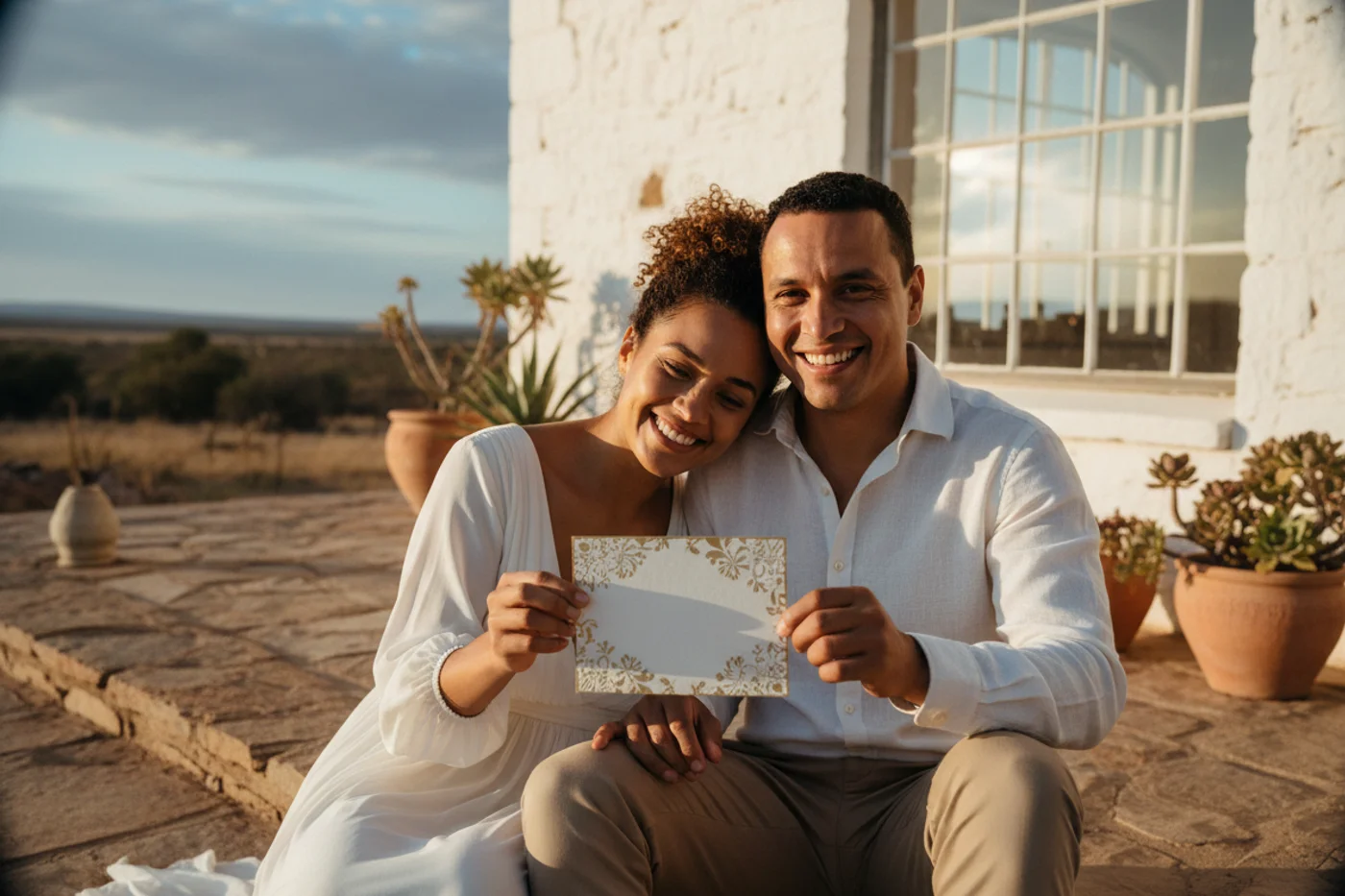
Long before guests arrive, your invitations and wedding website are already telling them what kind of day to expect. A generic template with placeholder wording sets generic expectations. Invitations that reflect your actual style, whether that's a hand-illustrated motif tied to where you met, a colour palette pulled from a meaningful place, or wording written in your own voice rather than formal boilerplate, signal from the very first touchpoint that this wedding has real thought behind it. Your wedding website is a similarly underused opportunity: instead of the bare minimum of logistics, include your actual story, photos that mean something to you, and details about why you chose your venue or theme.
Personalisation on a Budget
None of this requires unlimited spending. In fact, personal touches are often cheaper than generic "wedding industry standard" choices, because they draw on things you already have access to: a family recipe, a meaningful location, music you already love, rather than requiring you to purchase an elaborate, trend-driven aesthetic wholesale. The most memorable personalised weddings usually cost less in the areas that matter least (generic favours, filler décor) and more in the areas that genuinely reflect the couple (a meaningful venue, real food, real music).
How to Avoid Personalisation Overload
It is possible to try too hard here. A wedding crammed with dozens of competing personal touches, this element for this reason, that detail for that memory, can end up feeling cluttered and hard for guests to actually absorb. Choose your handful of most meaningful personalisation opportunities, three to five genuinely significant touches rather than twenty small ones, and let those carry real weight rather than diluting the impact across too many competing ideas.
Talk to Your Vendors About Your Story, Not Just Your Preferences
Vendors, your photographer, florist, decorator, caterer, do their best work when they understand why you want something, not just what you want. Instead of handing your florist a colour swatch alone, tell them why that colour matters, perhaps it's the colour of the dress your mother wore, or the flowers that grew where you got engaged. A photographer briefed on the meaningful details of your day (a grandparent's ring being worn as a necklace, a family recipe served at dinner, a song chosen for a specific reason) will know to capture those moments intentionally rather than missing them entirely amid the standard shot list. The more context your vendors have about your actual story, the more that story shows up, deliberately, in the finished day.
Final Thought
A personalised wedding isn't defined by how much money you spend or how many unique details you can cram in. It's defined by how honestly the day reflects who you actually are as a couple, in the venue you chose, the words you say to each other, the food on the table, and the people you invite to stand beside you. Give yourself the time to make these choices deliberately, and your wedding will feel unmistakably, memorably yours.

4 Wedding Cake Toppers You Need to See

Wedding Themes with a Difference: Unusual Wedding Theme & Decor Ideas

Gift List Trends
Afrikaanse Trou-uitnodigings: Bewoording, Etiket en Voorbeelde
Which leg do I put my garter on?
