Wedding stationery does more work than most couples give it credit for. It announces your wedding, tells guests where and when to be, communicates dress code and logistics, and often gives guests their very first visual impression of what your day will actually feel like. Beyond the practical side, it's also a genuine extension of your style, an early opportunity to set a tone that everything else, from florals to the reception decor, can echo. Getting it right takes more planning than people expect, so here's a proper walkthrough of how to approach it.
1. Define Your Style Before You Shop
Before approaching any stationer or browsing templates online, spend some time figuring out what you actually like. Start a simple mood board, whether that's a physical notebook or a Pinterest-style digital board, and collect images of wedding looks that appeal to you: colour palettes, fonts, textures, even inspiration that has nothing directly to do with stationery, like a fabric swatch or a piece of art whose colour scheme you love. Look for patterns in what you're drawn to. Are you consistently picking calligraphy-style scripts over clean modern sans-serif fonts? Do muted, dusty tones keep showing up more than bright saturated colour? This groundwork makes every conversation with a stationer faster and more productive, because you'll be able to show rather than describe what you want.
2. Find the Right Stationer
Personal recommendations are worth more than online searches here. Ask recently married friends who they used and whether they'd use them again, then visit a shortlist of printers or stationers in person if you can. Ask to see samples of previous work up close, since paper weight, print quality and finishing details rarely translate well in online photos. Find out what printing method each option uses, digital printing is more affordable and works well for most modern designs, while letterpress or foil printing costs more but delivers a tactile, higher-end finish that's hard to replicate digitally. Bring your mood board and any physical references, fabric swatches, colour chips, sample invitations you love, to these meetings, and ask directly whether they have experience producing something similar. Get quotes from at least two or three options before committing, since pricing can vary significantly for comparable quality.
3. Build Your Full Stationery List
Wedding stationery covers more pieces than most first-time planners expect. A complete suite typically includes:
- Save-the-date cards, sent well ahead of formal invitations, especially useful for destination weddings or peak holiday dates
- Formal invitations, including the main card plus RSVP details
- RSVP cards or an RSVP mechanism, whether a physical card or a wedding website link
- Information or details cards, covering accommodation, transport, dress code and registry information
- Order of service or ceremony programmes
- Table plan or seating chart display
- Place cards and menu cards for each table setting
- Thank-you cards, to be sent after the wedding
Not every wedding needs every item on this list. Smaller or more casual weddings can often combine several of these into fewer pieces, while larger, more formal weddings may add extras like welcome signs or a printed wedding day timeline for guests.
4. Get the Wording Right
Invitation wording carries more etiquette weight than people expect going in. Decide early who's formally hosting the wedding, since traditional wording differs depending on whether it's the couple, one or both sets of parents, or a shared arrangement, and this affects the entire tone of the invitation's opening line. Double-check every name spelling, title and honorific against how each person actually prefers to be addressed, since small errors here are the kind guests notice and remember. If your wedding has any specific requests, no children, a particular dress code, gift preferences, decide how directly you want to communicate these and where. Some information belongs on the main invitation, while more detailed logistics are often better placed on a separate information card so the invitation itself stays clean and uncluttered.
5. Think About Timing
Stationery has its own timeline that needs to run alongside your broader wedding planning. Save-the-dates typically go out six to twelve months before the wedding, earlier for destination weddings or dates that clash with major holidays. Formal invitations are usually sent eight to twelve weeks before the day, with RSVP deadlines set around three to four weeks out to give you enough time to finalise catering numbers and seating. Building printing and delivery time into this schedule matters too. Custom or letterpress printing can take several weeks longer than digital printing, so confirm production timelines with your stationer before locking in a mailing date, and always order a small buffer of extra invitations beyond your exact guest count in case of addressing mistakes or last-minute additions.
Paper, Print and Finishing Touches
The physical feel of your stationery matters more than most couples initially realise, since guests handle these pieces directly before they've experienced anything else about your wedding. Heavier card stock reads as more considered and formal, while lighter paper suits a more casual, relaxed aesthetic. Finishing details, deckled edges, wax seals, ribbon ties, vellum overlays, add texture and a sense of occasion, but they also add cost and, in some cases, postage weight, so it's worth checking with your postal service about weight limits before finalising a heavily embellished design. Envelope liners in a coordinating colour or pattern are a small, affordable upgrade that makes a noticeable difference when a guest opens the envelope for the first time.
Digital Stationery and Wedding Websites
Increasingly, couples are pairing physical invitations with a wedding website that handles RSVPs, accommodation information and gift registry details, reducing the amount of information that needs to be printed on paper while still keeping the invitation itself as a tangible keepsake. This hybrid approach works well for budget-conscious couples, since it cuts down on the number of separate printed inserts needed, while still giving guests an easy, centralised place to find logistics that might change closer to the day. If you go this route, keep the invitation's printed RSVP instructions simple, a short line directing guests to the website, rather than trying to explain the full process on the card itself.
Matching Stationery to Your Wedding Theme
Your invitation is effectively a preview trailer for the wedding itself, and it works best when it echoes the same visual language as your ceremony and reception rather than existing as a completely separate design exercise. A formal black-tie wedding suits classic typography, heavier card stock and a more restrained colour palette, often built around a single accent colour against white or ivory. A garden or outdoor wedding can carry botanical illustration, softer colour palettes and lighter paper stock without looking out of place. A modern city wedding might lean into bold typography, geometric layouts or unconventional colour pairings that would feel jarring on a more traditional countryside invitation. If you're struggling to connect your invitation design back to your venue or overall aesthetic, it's often worth choosing your venue and rough colour palette first, then designing stationery to match, rather than the other way around.
Common Mistakes to Avoid
A few stationery mistakes come up again and again, and most are avoidable with a bit of forward planning. Ordering too close to your mailing deadline is the most common, since custom printing, particularly letterpress or foil work, routinely takes longer than couples expect, and rush fees for expedited printing add up quickly. Skipping a proofread is another frequent regret, small typos in names, dates or venue addresses are far more common than people assume, and it's worth having at least two people outside the design process check every detail before anything goes to print. Underestimating postage costs is a third common trap, particularly for heavier or non-standard-shaped invitations, which can trigger additional postage fees that catch couples off guard if they haven't weighed a finished, assembled invitation before ordering stamps for the full run. Finally, don't assume every guest will check a wedding website. If key logistics live there instead of on paper, make sure the invitation clearly and simply points guests to it, since not everyone will think to look otherwise.
Budgeting for Stationery
Stationery costs vary enormously depending on quantity, printing method and how many individual pieces you include in your suite. As a general approach, decide on your total stationery budget early and prioritise the pieces guests will actually handle and keep, invitations and save-the-dates, over pieces used only on the day itself, like menu cards, where a simpler, more affordable option won't be missed. Digital printing, simpler paper stock and a smaller overall suite are all reasonable ways to manage cost without sacrificing a coordinated, considered look.
Getting It Right
Good wedding stationery doesn't need to be the most expensive or elaborate piece of your wedding planning, but it does deserve real thought, since it's often the first tangible thing your guests experience of your day. Take the time to define your style, find a stationer whose work you trust, get the wording and timeline right, and the rest tends to fall into place. Guests remember stationery far longer than you'd expect, tucked into scrapbooks and kept as keepsakes years after the wedding itself, which makes it one of the more quietly meaningful investments in the entire planning process.

You're Invited: Unique Wedding Invitation Ideas
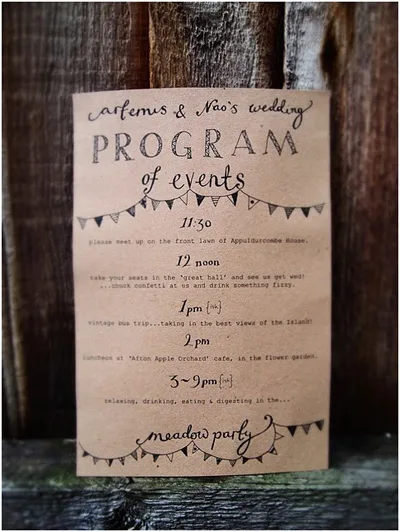
The Wedding Program

Your Essential Wedding Stationery Guide

Is there anyway I can lower the cost of a wedding cake?

Kitchen Tea, Pamper Party or Bachelorette?
