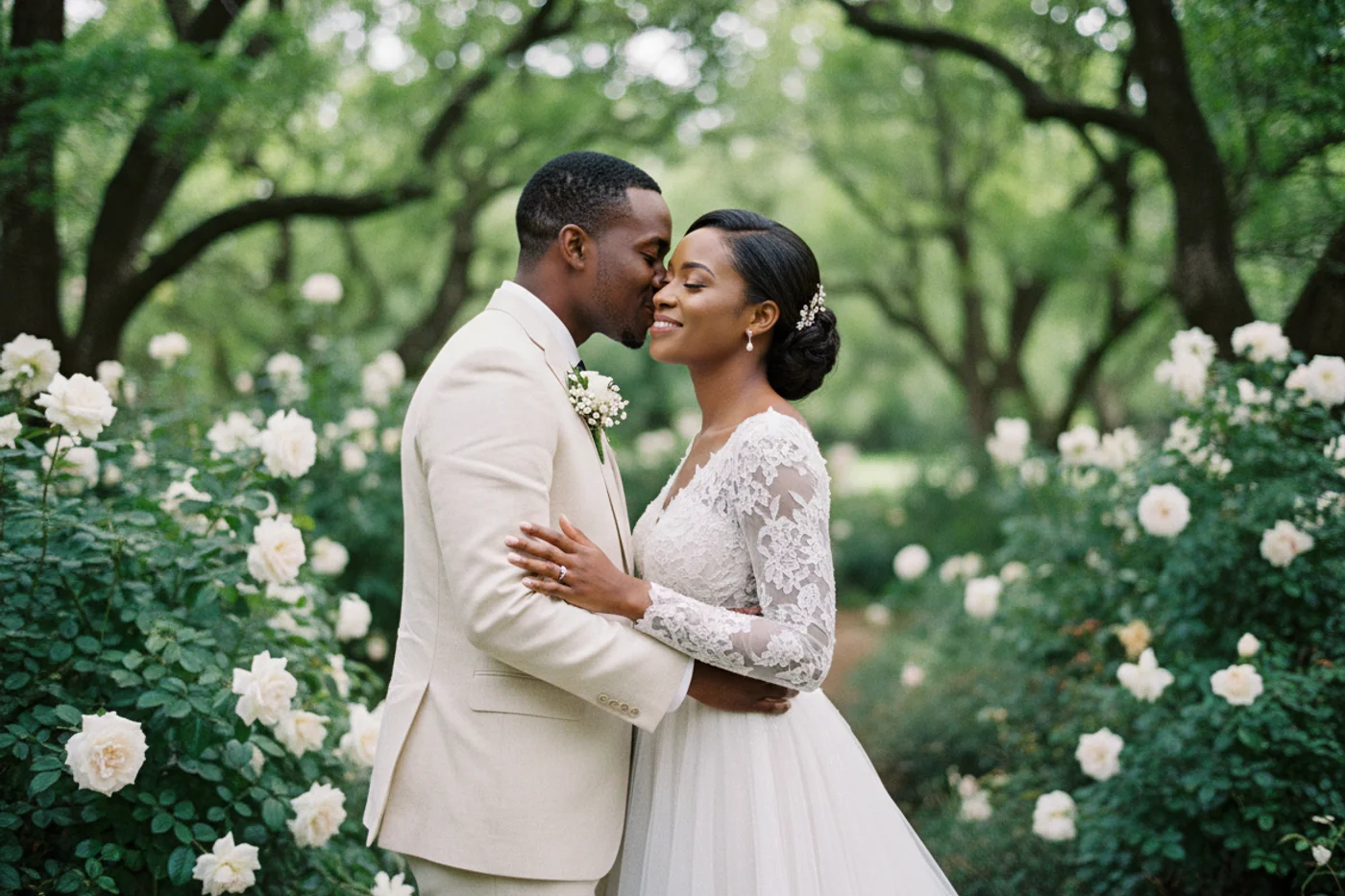
Most collections of romantic quotes are just that: a list, dropped one after another with no real thought given to what a couple is actually supposed to do with them, or where in the wedding day such a line might actually belong. This third instalment in our ongoing quote series takes a different approach. Rather than another undifferentiated scroll of love quotes, these are organised by the three places a quote is most likely to actually get used during a wedding: writing your own vows, giving or receiving a toast, and the small handwritten notes and cards that pass between a couple and their guests. Each section includes guidance on how to actually use the quote, not just admire it from a distance.
For Writing Your Vows
A well-chosen quote can anchor a set of vows, giving you a strong opening or closing line to build the rest of your own words around, rather than needing to invent something equally memorable from nothing.
"Whatever our souls are made of, his and mine are the same." — Emily Brontë, Wuthering Heights
This line works particularly well as an opener, since it makes a bold, declarative claim about a bond that goes deeper than day-to-day compatibility. It suits a couple who want their vows to open with intensity before settling into the more specific, personal promises that follow.
"How do I love thee? Let me count the ways." — Elizabeth Barrett Browning, Sonnet 43
Rather than quoting the full sonnet, which can feel overly formal read aloud in full, borrow just this opening line as a structural device. Follow it with your own numbered or listed reasons, specific, personal, occasionally funny, for loving your partner, echoing the sonnet's structure without needing to recite Victorian poetry word for word.
"Grow old along with me, the best is yet to be." — Robert Browning, Rabbi Ben Ezra
This line works well as a closing note, since it looks forward rather than simply describing present feeling. It's a natural way to end vows on a note of shared future rather than only reflecting on how you got here.
"I found him whom my soul loveth." — Song of Solomon 3:4
For couples who want a line with scriptural weight without a lengthy religious passage, this short line from the Song of Solomon carries real emotional and historical depth in a single sentence, and works whether or not the rest of your ceremony is religious in tone.
For a Wedding Speech or Toast
Whether you're the best man, the maid of honour, a parent, or the groom responding to the toasts, a well-placed quote gives a speech a strong anchor point, particularly useful if public speaking isn't your natural comfort zone and you need somewhere solid to start.
"A successful marriage requires falling in love many times, always with the same person." — Mignon McLaughlin
This line works well early in a toast, since it sets up a slightly wiser, more knowing tone about what marriage actually involves, day to day, rather than the fairy-tale version often assumed on the wedding day itself. It gives you a natural segue into a personal story about the couple's relationship evolving over time.
"The best thing to hold onto in life is each other." — Audrey Hepburn
Short, warm, and immediately understandable even to guests who've had a glass or two of wine by the time speeches begin. It works well as a closing line, right before raising a glass for the final toast.
"To love and be loved is to feel the sun from both sides." — David Viscott
This image-driven quote works particularly well in an outdoor or garden wedding speech, where the literal sun might genuinely be present, giving the line an extra, unplanned resonance.
"Love recognizes no barriers. It jumps hurdles, leaps fences, penetrates walls to arrive at its destination full of hope." — Maya Angelou
A stronger, more dramatic option, well suited to a speech about a couple who overcame real obstacles, distance, disapproval, timing, on their way to the altar. Use it when there's a genuine story behind it rather than as a generic opener, since its intensity needs a real anecdote to land properly.
For Thank-You Cards and Guest Book Messages
Short, warm lines work best here, since guests are reading these in passing rather than sitting through a formal speech, and a card that overstays its welcome tends to get skimmed rather than actually read.
"Where there is love there is life." — Mahatma Gandhi
Simple enough to fit on a small card without feeling cut off mid-thought, and universal enough to suit any guest, family member or close friend.
"Love is not only something you feel. It is something you do." — David Wilkerson
A lovely line to include in thank-you notes specifically directed at people who helped with the wedding itself, parents, bridal party members, close friends who pitched in, since it acknowledges action and effort rather than only sentiment.
"Love does not consist in gazing at each other, but in looking outward together in the same direction." — Antoine de Saint-Exupéry
Well suited to a guest book message written by the couple themselves as an epigraph at the front, before guests add their own notes throughout the book.
How to Choose a Quote That Actually Fits
The biggest mistake couples make with quotes is choosing one because it sounds nice in isolation, without considering whether it actually fits their specific relationship, their sense of humour, or the tone of the moment they're using it for. Before committing to a quote for your vows, read it aloud in the room or space you'll actually be standing in, since some lines that read beautifully on paper feel stilted or overly formal spoken aloud to a room full of people. For toasts, make sure the quote connects to an actual story or memory you're about to share, rather than standing alone as a nice-sounding but disconnected opener. And for written notes, shorter is almost always better. A guest reading a thank-you card wants a warm sentence, not a full stanza.
Adapting a Quote Instead of Quoting It Directly
You don't need to use any of these lines word for word. Plenty of couples take the sentiment of a favourite quote and rework it into their own phrasing, which often lands more personally than a direct quote precisely because it sounds like something you'd actually say to your partner rather than something borrowed for the occasion. If a particular quote resonates but the exact wording feels too formal or too borrowed from someone else's voice, try rewriting it in your own words while keeping the core idea intact. Attribution etiquette still matters if you use a line closely, a simple "as [author] once wrote" credit before or after the quote is enough, and it's a small courtesy that guests, especially any literature-minded ones in the room, will quietly appreciate.
Using More Than One Quote Without Overdoing It
It's tempting, once you've found a few quotes you love, to try to fit them all in, but restraint matters here. A single well-placed quote in a set of vows carries far more weight than three or four competing for the same emotional space, since the room's attention span for aphorisms, however lovely, is genuinely limited. If you're drawn to more than one line, consider spreading them out across different moments of the day instead of stacking them into a single speech or ceremony: one in your vows, a different one in your speech response, a third saved for the guest book or thank-you cards. This way, each quote gets its own moment rather than blurring together into a wall of quotations that guests won't individually remember afterward.
Building Your Own Collection
If none of the quotes above feel quite right, start collecting your own over the weeks leading up to the wedding rather than searching for the perfect one under time pressure the night before your speech is due. Song lyrics that mean something to your relationship, a line from a book you both love, even something a parent or grandparent once said about marriage, all count as fair material. Keep a running note on your phone whenever a line catches your attention, in a film, a podcast, a conversation with an older relative about their own marriage, so you have a small personal shortlist to choose from rather than starting from nothing when the deadline for finalising your vows or speech actually arrives.
The most memorable wedding quotes are rarely the most famous ones. They're the ones that clearly mean something specific to the two people getting married, which is worth remembering the next time a generic quote list, including this one, doesn't quite capture what you're trying to say. Borrow freely where a line genuinely resonates, but don't be afraid to set the list aside entirely if what you really want to say is something only the two of you would think to say to each other.
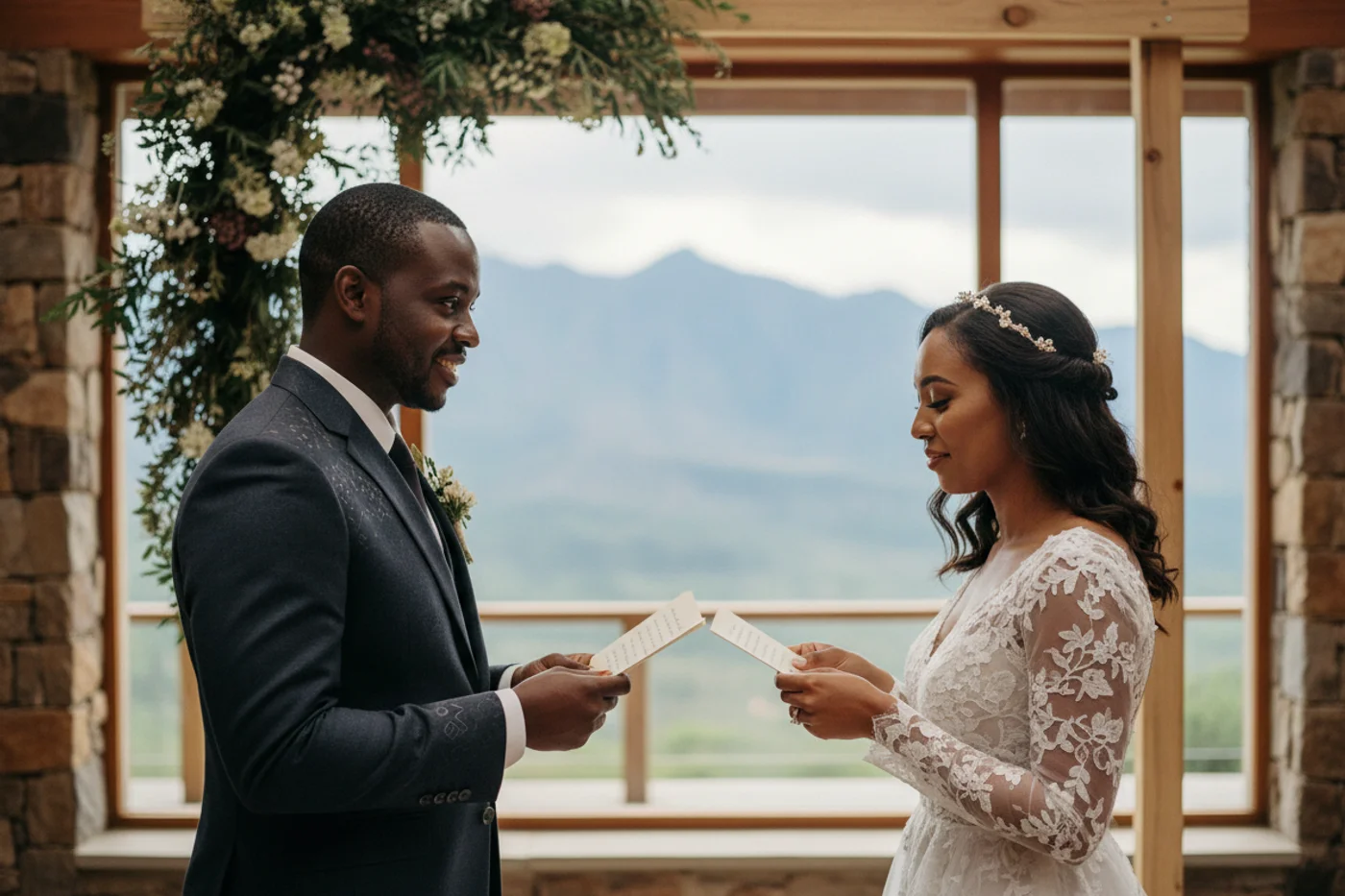
Romantic Quotes Part I: Where to Use Them on Your Wedding Day
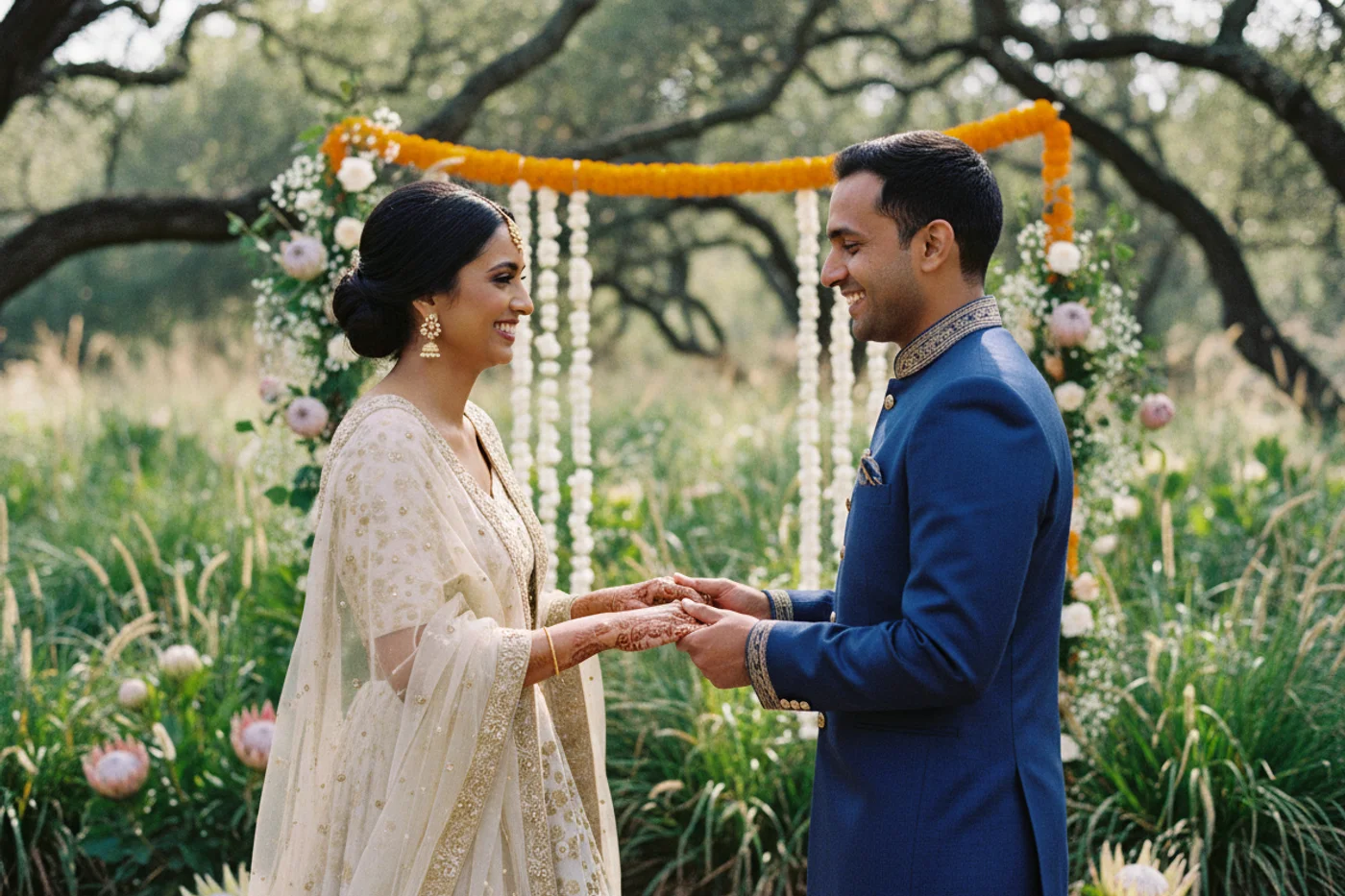
Shakespeare Quotes

Traditional & Religious Wedding Vows: Full Wording by Faith and Tradition

Traditional Weddings in South Africa: Customs, Attire, Costs & Ceremonies (2026)

Lobola in South Africa: How It Works, Negotiations, Letters & Costs (2026)