Cocktail hour is the part of a South African wedding that decides how the rest of the evening feels. Guests are standing around in their finery while you're off having couple portraits taken, and what's in their hand during that stretch, a glass of something cold and a plate of canapes, or nothing at all, sets the tone before a single formal course has even been served. Most couples pick canapes the way they pick a playlist: whatever sounds good in the moment, without much thought for the actual conditions their wedding will be served in. That's the wrong approach. A canape menu built around the season your wedding actually falls in, not a generic Pinterest board, is one of the easiest upgrades available to any couple planning a reception in this country.
Jump to a section
- Why the season actually matters
- Summer canapes (December to February)
- Autumn canapes (March to May)
- Winter canapes (June to August)
- Spring canapes (September to November)
- How many canapes to plan per guest
- Timing canapes through cocktail hour
- Dietary considerations by season
- FAQ
Why the season actually matters more here than almost anywhere else
South Africa runs on inverted seasons to the northern hemisphere content most wedding advice is written for, and its climate swings harder between them than most of Europe or North America ever does. A December wedding on the coast can sit at 34°C with blazing sun for a full afternoon reception; a July wedding in the Cape or the Highveld can dip below 10°C once the sun goes down. Canapes that hold up beautifully in one of those conditions fall apart, literally, in the other. A prawn skewer with a mayonnaise-based dip is a liability sitting out in December heat. A delicate iced ceviche spoon is a strange, cold choice to hand a shivering guest in a marquee in July.
Seasonality also solves a real cost and quality problem. Produce that's actually in season in South Africa right now tastes better and costs less than the same ingredient flown in or forced out of season, and it shows on the plate. A caterer working with peak-season stone fruit, butternut, or asparagus is working with ingredients at their best, not compensating for mediocre produce with heavier seasoning. This is exactly the kind of detail worth raising directly with your caterer when you're comparing quotes and catering styles — ask what's actually in season for your date, not just what's on their standard canape list.
Summer canapes (December to February)
Summer is peak wedding season in South Africa and also the season with the least forgiving conditions for food sitting out. Heat is the defining constraint here, not flavour. Anything built around raw seafood, cream, or mayonnaise needs a genuine cold chain, ice trays under serving platters, a strict rotation schedule, not just a nice-looking table left in the sun for an hour.
What's actually in season and worth building a menu around: tomatoes at their sweetest, watermelon, stone fruit, sweetcorn, and fresh basil and mint at their most fragrant. Real dish ideas that work in this heat:
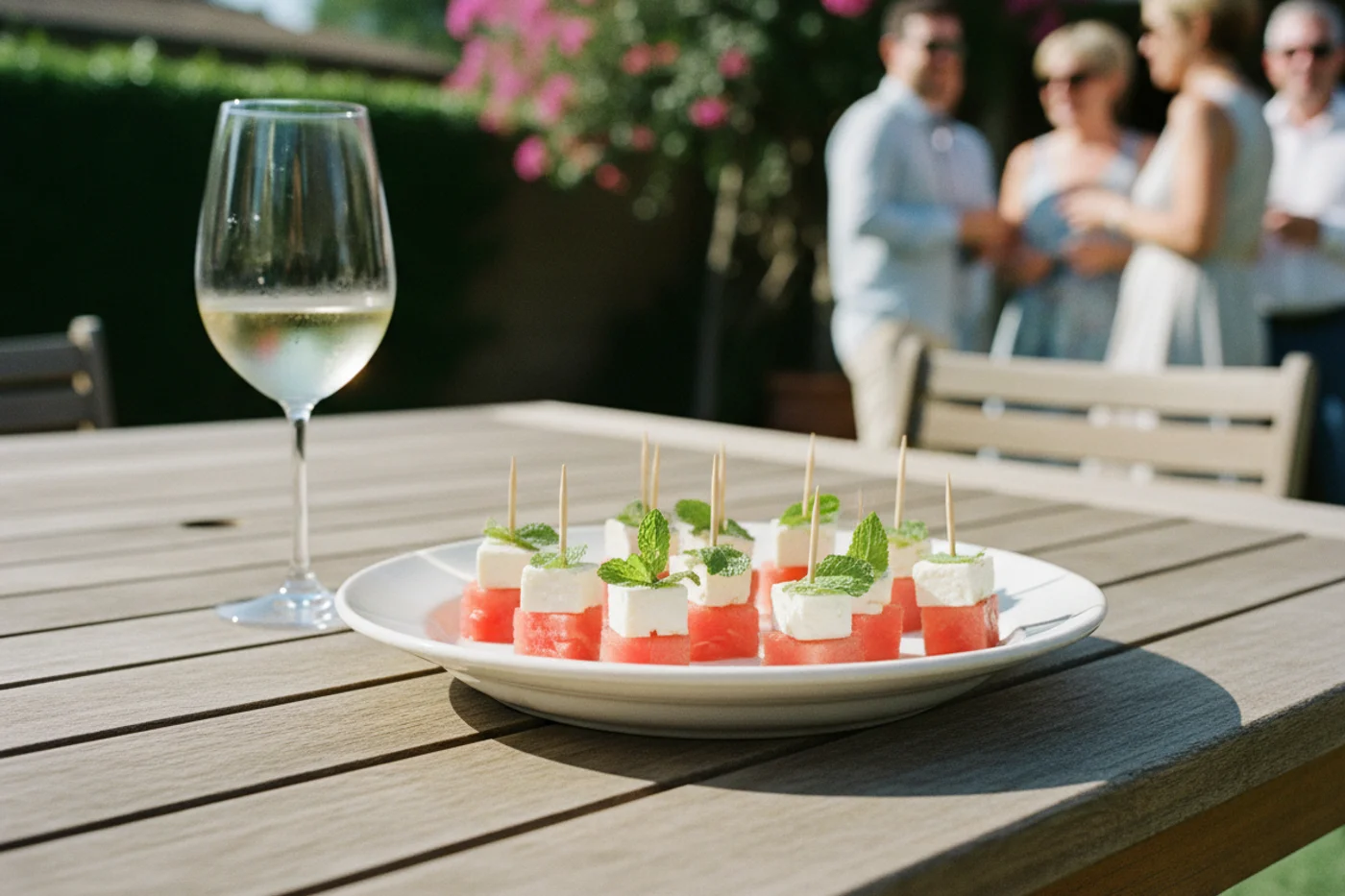
- Watermelon and feta bites with mint and a drizzle of balsamic reduction — served chilled, genuinely refreshing, and one of the few canapes that gets better rather than worse as the afternoon warms up.
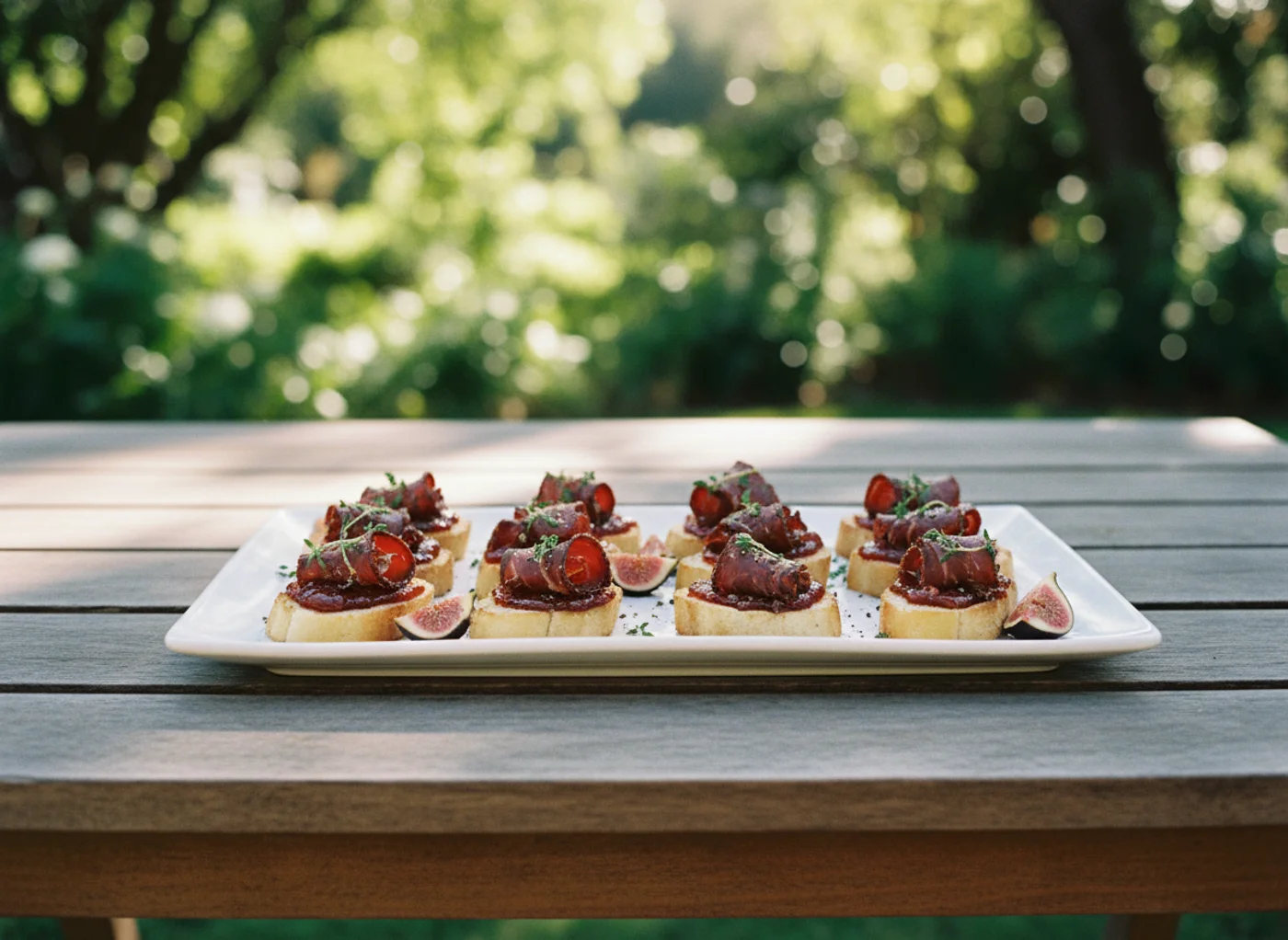
- Biltong and fig jam on a crisp melba toast — biltong is dry-cured and shelf-stable, which makes it one of the safest proteins to serve unrefrigerated over a long cocktail hour, and it reads as distinctly South African to any guest.
- Chilled gazpacho shooters — a small shot glass of cold tomato soup, garnished with a basil leaf, doubles as both food and a break from the heat.
- Sweetcorn and feta fritters, served warm but not hot — a crowd-pleaser that doesn't rely on refrigeration and holds its texture at room temperature for a reasonable window.
- Prawn skewers with a citrus dressing, kept on ice trays throughout service — seafood can absolutely work in summer, but only if your caterer commits to visible ice under the platter, not just a cold kitchen fridge before it goes out.
What to skip: mayonnaise-based dips left out for more than 20 to 30 minutes without refrigeration, anything with raw egg, and delicate pastry canapes that go soft and greasy sitting in direct heat. If your reception is outdoors, ask your caterer directly how they're managing food safety in the heat, not just what's on the menu. This is one claim worth pressing on specifically: food held above 5°C and below 60°C for more than two hours sits in what food safety guidelines call the danger zone, and a hot December afternoon gets there fast.
Autumn canapes (March to May)
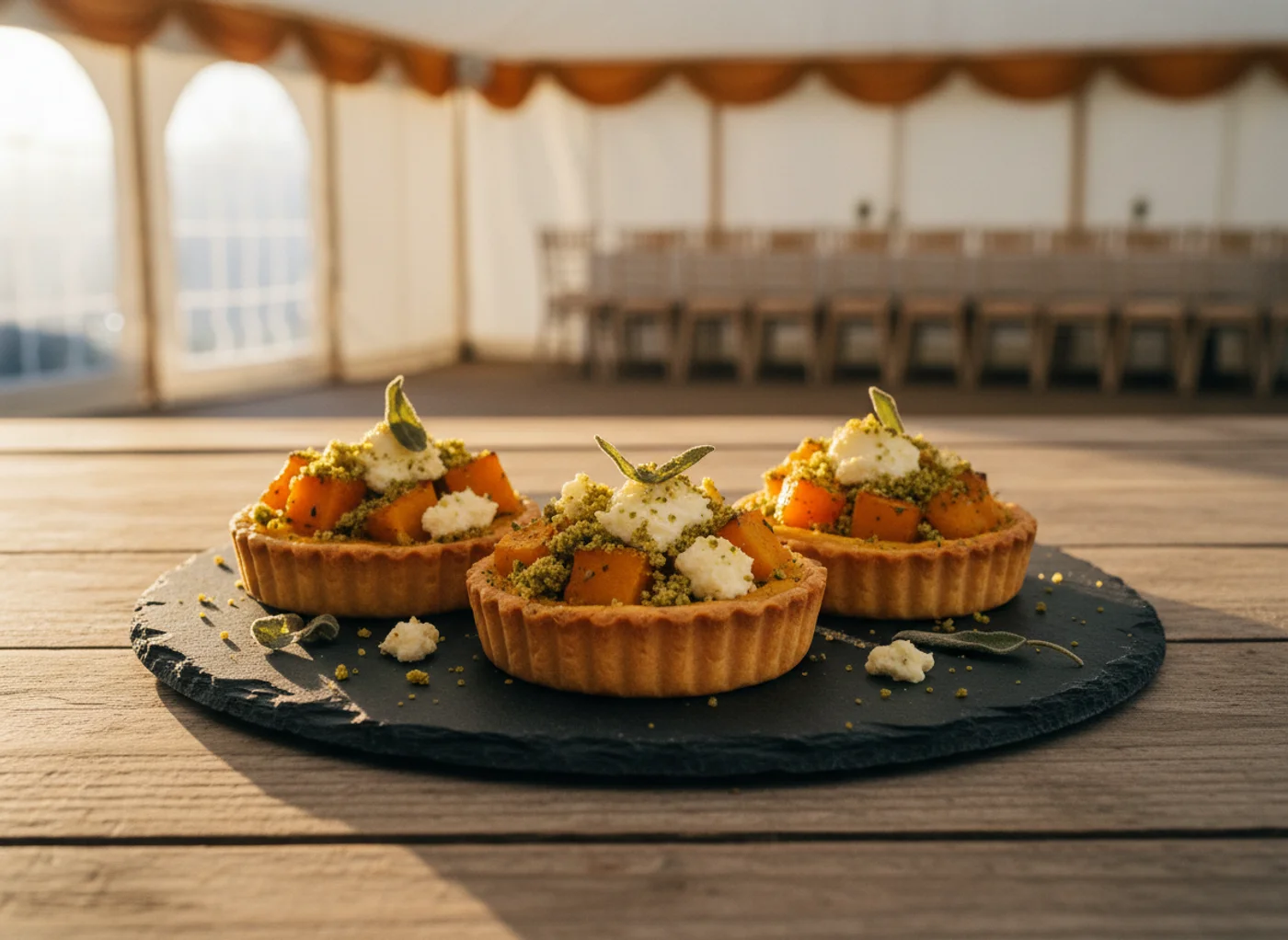
Autumn is the most forgiving season logistically, mild days, cooler evenings, and it's arguably the best season for canapes on flavour alone. Butternut, mushrooms, late-season figs, and the first game meat of the year all come into their own, and the produce genuinely tastes different, richer, earthier, than the same ingredients out of season.
- Roasted butternut and goat's cheese tartlets with a sage crumb — the single most reliable autumn canape on this list, warm, sweet, and it photographs beautifully against the season's golden light.
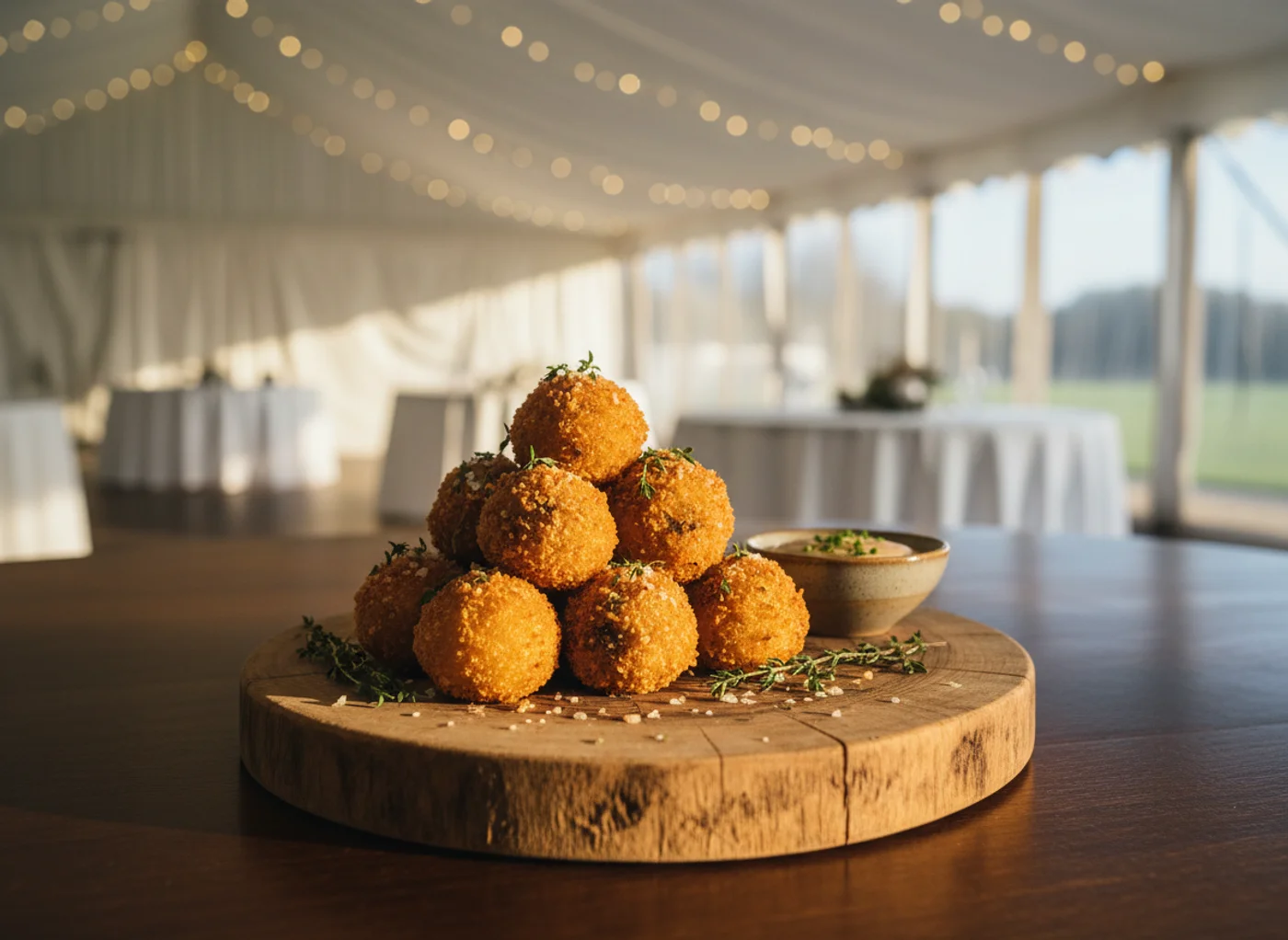
- Wild mushroom arancini with a truffle aioli — a step up from generic arancini, and mushrooms are genuinely at their best through autumn.
- Fig, prosciutto and gorgonzola bruschetta — the last real window for good fresh figs before winter, worth building a canape around while they're actually good.
- Venison carpaccio on a rye crisp with a horseradish cream — game meat starts coming into season as the weather cools, and a thin carpaccio slice is one of the more elegant, restaurant-quality canapes you can put in a guest's hand.
- Biltong and cheddar on a crisp, finished with a dab of chutney — a genuinely local pairing that works at any temperature this season throws at it.
Autumn's real risk isn't heat or cold, it's load shedding. April and May sit squarely in scheduled-outage territory most years, and a caterer relying entirely on electric ovens and hot-holding equipment can lose an entire course of hot canapes to a poorly timed outage. Ask specifically whether your caterer runs gas backup as standard, the same question worth asking about your main reception catering, and confirm your venue's generator actually covers the kitchen, not just the lights and sound system.
Winter canapes (June to August)
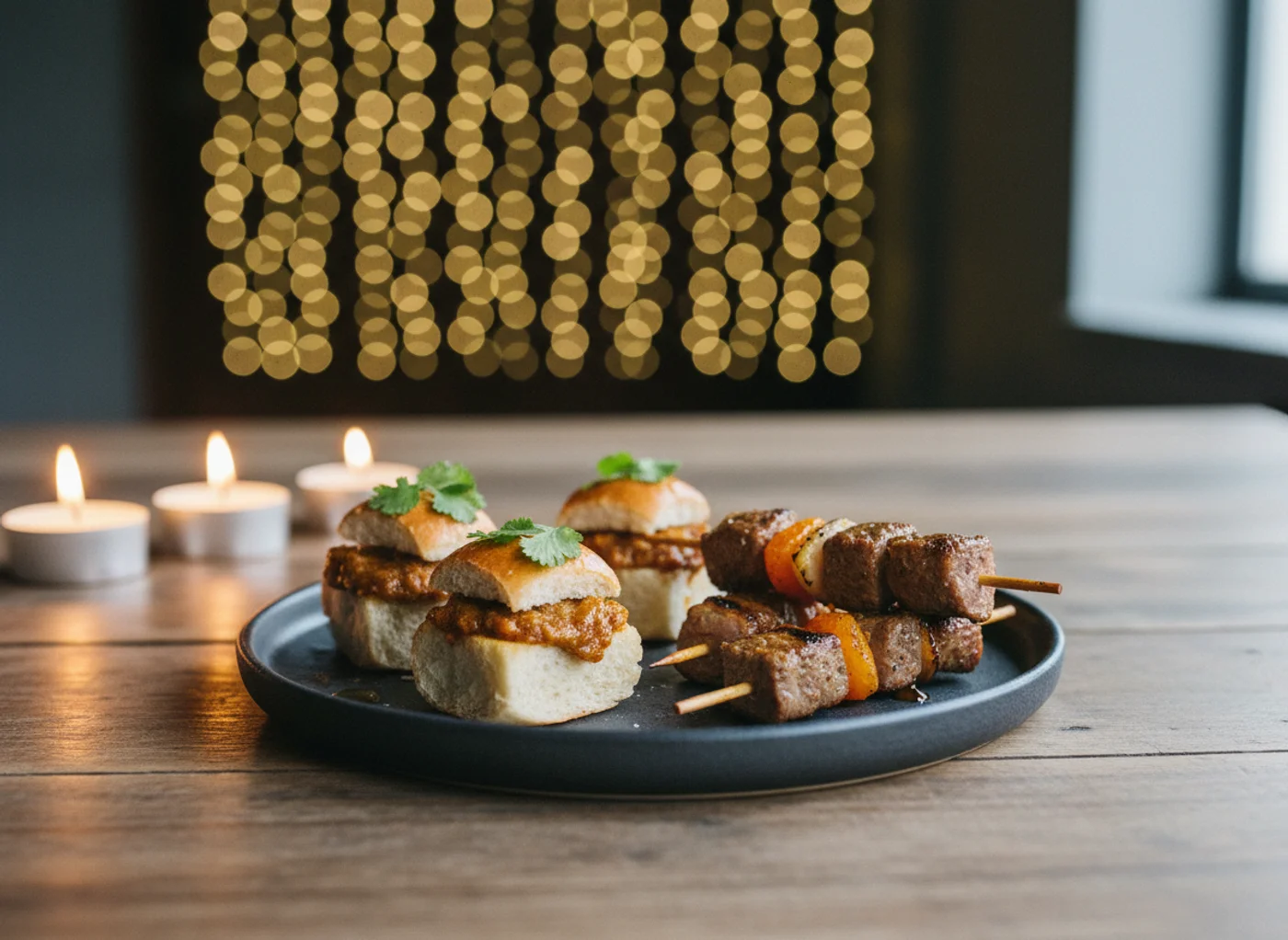
Winter weddings get a fraction of the bookings summer does, which is exactly why they're worth considering if budget matters to you, catering and venue pricing both soften in the off season. It's also the one season where hot canapes genuinely outperform cold ones, and where a caterer can lean fully into rich, warming flavours without worrying about anything wilting in the heat.
- Mini bunny chow bites — a small hollowed roll filled with a rich curry, a distinctly South African canape that gives guests something warm and substantial to hold onto in cold hands.
- Lamb sosatie skewers with a dried apricot glaze — a classic South African flavour pairing, served warm, that suits a cold evening far better than a summer one.
- Butternut and thyme soup shooters — a small warm cup rather than a shot, genuinely comforting when the temperature has dropped, and a smart way to use the same seasonal produce that carried through from autumn.
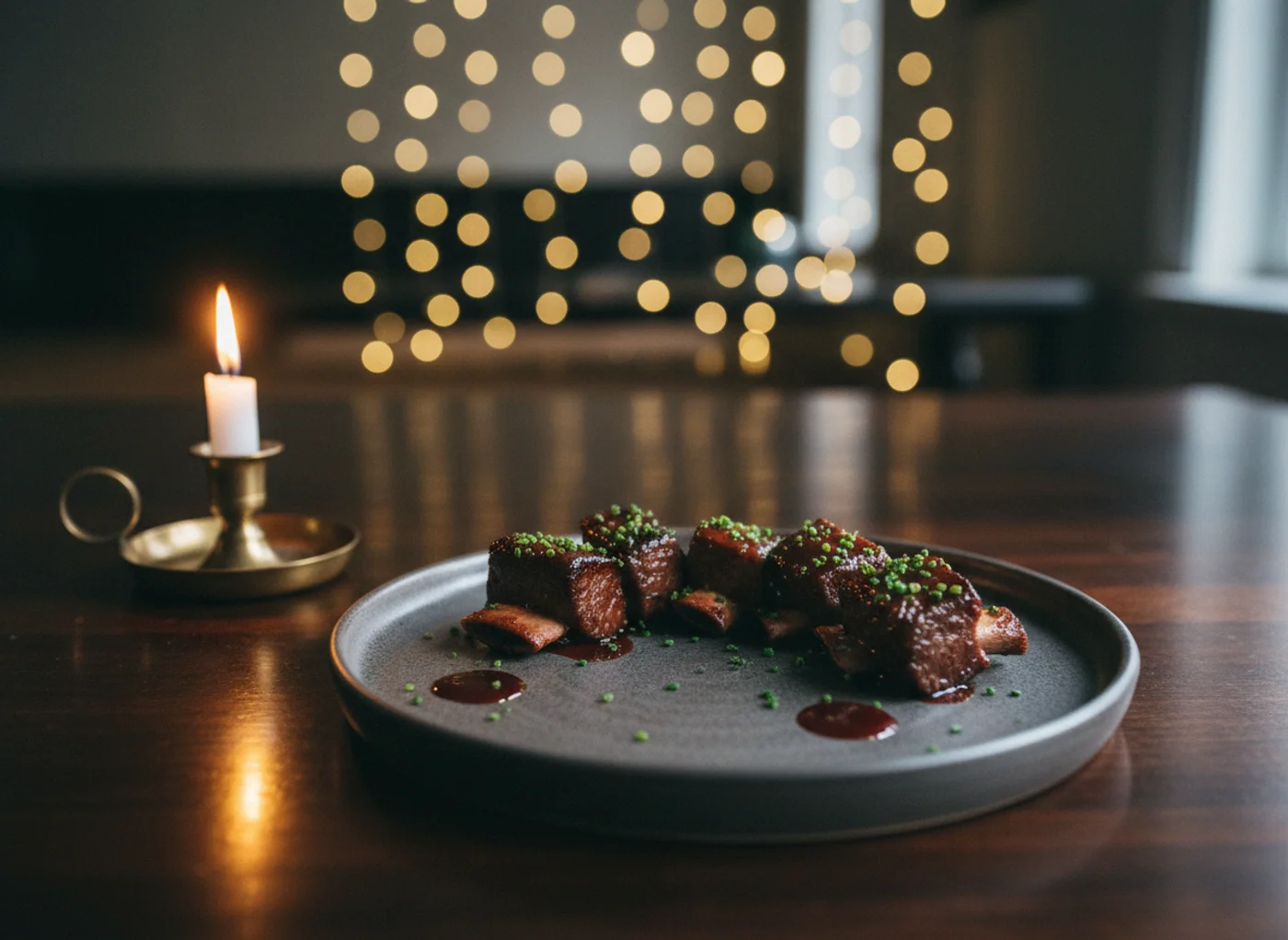
- Mini beef potjie pies with a flaky pastry lid — slow-cooked, rich, and built for exactly this weather.
- Biltong and blue cheese on a warm mini pancake, drizzled with honey — a South African twist on a classic winter canape pairing.
The main logistical shift in winter is indoors versus a heated outdoor space. Most winter receptions move fully indoors, which actually makes food safety easier, stable temperatures, no direct sun, no wind. If you're still set on an outdoor cocktail hour, patio heaters and a genuinely warm marquee matter as much for your canapes as for your guests, since cold, damp air makes pastry go soft and takes the edge off anything meant to be served hot. What to skip: iced or chilled canapes that read as strange rather than refreshing when everyone's already cold, and anything delicate that needs to travel a long distance from an outdoor kitchen setup through cold air before reaching a guest's hand.
Spring canapes (September to November)
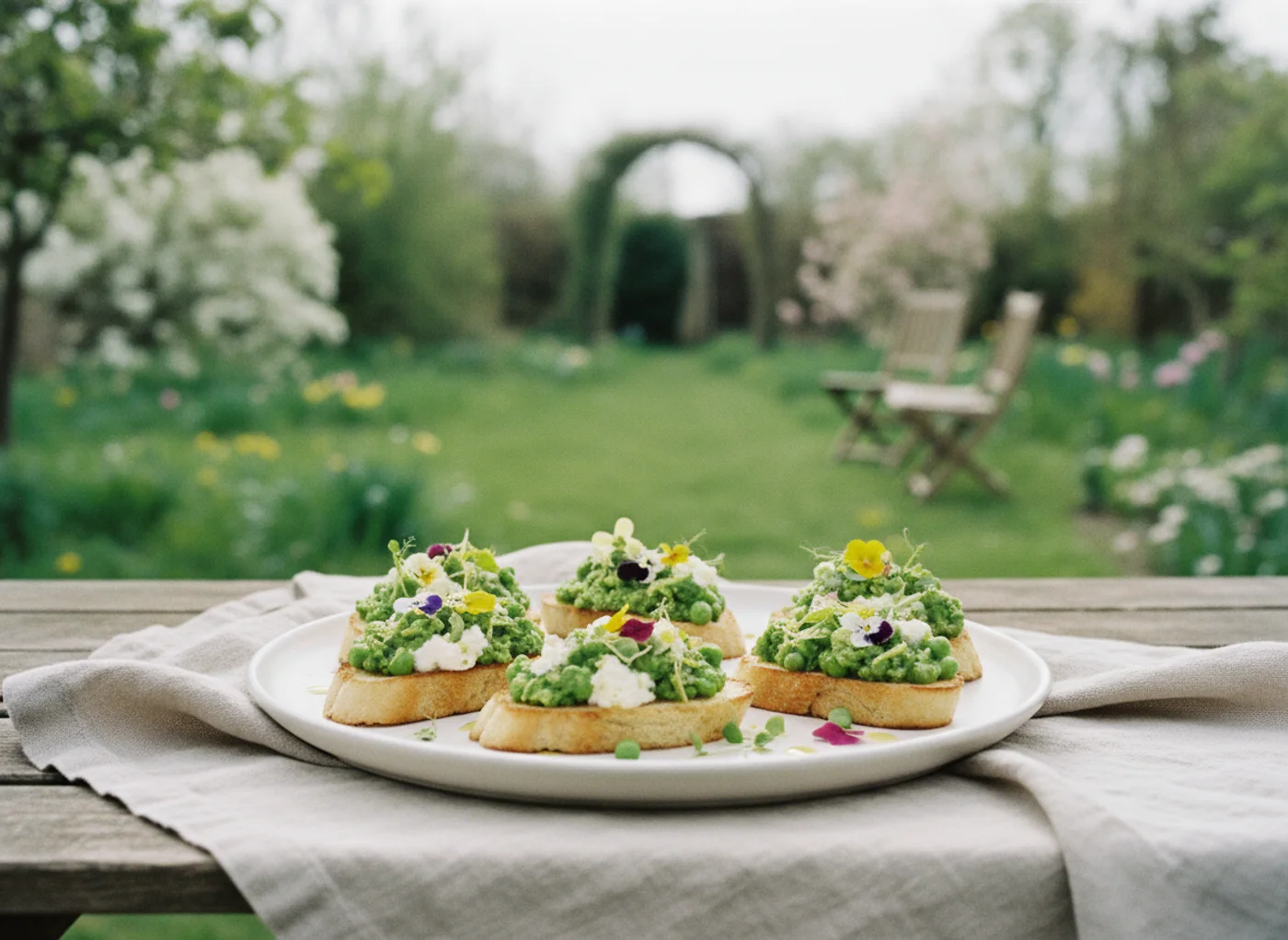
Spring brings the produce everyone's been waiting for through winter, fresh peas, asparagus, the first citrus of the new season, and edible flowers just starting to bloom. It's also, honestly, the least predictable season weather-wise in most of South Africa, warm afternoons that turn windy or wet without much warning, particularly in the Cape. If you're planning a garden or outdoor spring wedding, it's worth reading our guide to spring wedding venues in South Africa alongside this, since venue choice and canape choice both need to account for the same unpredictability.
- Asparagus and parmesan tartlets, finished with a shaving of lemon zest — asparagus is genuinely at its best in spring, and a simple tartlet lets it carry the whole canape.
- Pea and mint crostini with a dollop of whipped ricotta — bright, fresh, and one of the few canapes that actually looks like the season it's serving.
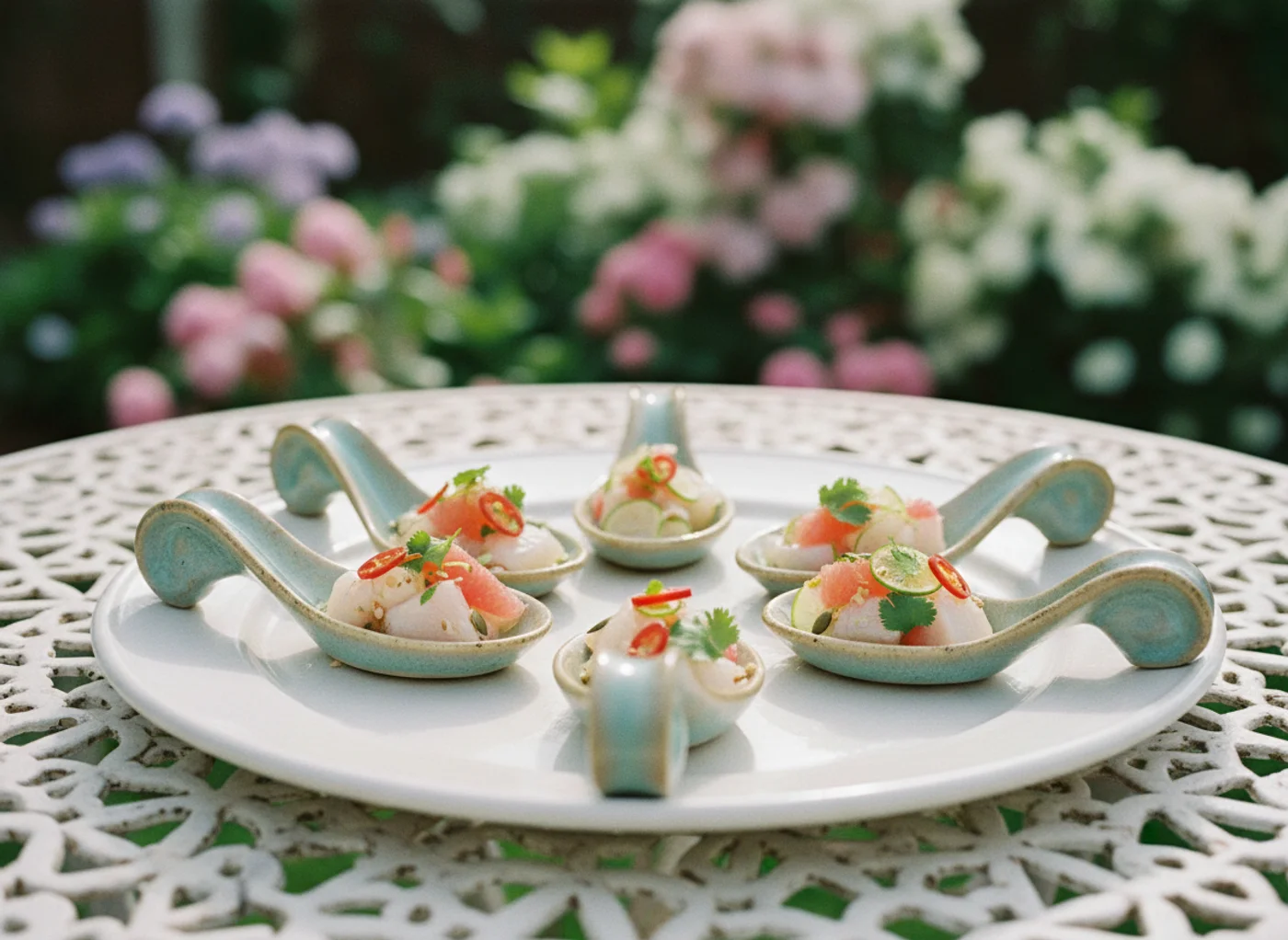
- Citrus-cured kingklip ceviche spoons — the first good citrus of the new season cuts through the fish beautifully, though this needs the same cold-chain discipline as any raw seafood canape.
- Goat's cheese and honey canapes finished with an edible flower — a genuinely pretty finishing touch for spring, though see the caution below on windy days.
- Mini caprese skewers with the first of the season's cherry tomatoes and fresh basil — simple, reliable, and a good bridge canape if your date lands right at the edge of summer.
What to skip, or at least have a backup for: delicate edible flower garnishes on a genuinely windy day, they blow off the plate before a guest ever gets to admire them, and anything served on very thin, brittle crostini if there's real wind forecast, since it snaps and scatters more than it should. Spring is the season where a marquee or covered contingency for cocktail hour earns its cost most directly, not because the day will definitely turn, but because it's the season most likely to.
How many canapes to plan per guest
For a standard 60 to 90 minute cocktail hour with no separate starter course to follow, plan on 6 to 8 canapes per guest. If your reception moves straight into a full plated or buffet meal afterwards, 4 to 6 per guest is enough, guests shouldn't arrive at their starter already full. Longer cocktail hours, over 90 minutes because photos are running long or the ceremony overran, need more, closer to 8 to 10 per guest, and it's worth briefing your caterer on your actual photo schedule so they can plan for it rather than guessing. This is exactly the kind of number worth weighing against your other big-ticket line items using our wedding cost breakdown, since canape counts multiply fast across a large guest list and it's an easy place for a quote to balloon without anyone noticing until the final invoice.
Timing canapes through cocktail hour
Don't put everything out at once. A well-run cocktail hour staggers canapes in waves, lighter, cooler bites first while guests are still arriving and finding their footing, richer and warmer ones as the hour goes on and appetites build. Passed canapes, carried on trays by waitstaff, keep the room moving and mingling, while a stationary table or two lets guests graze at their own pace, most receptions do best with a mix of both rather than committing fully to one style. Whatever the season, brief your caterer to hold the richest, heaviest canapes for the back half of the hour, and the lightest, most refreshing ones for the front, guests notice pacing even when they can't articulate why a cocktail hour felt right.
Dietary considerations, season by season
Vegetarian canapes are genuinely easier to do well in autumn and spring, when butternut, mushroom, asparagus and pea dishes are already the standout options on the menu rather than an afterthought substitution. Summer and winter menus lean more naturally toward meat and seafood, so it's worth asking your caterer specifically for at least two strong vegetarian canapes per season rather than one token option, watermelon and feta in summer, or a butternut and thyme shooter in winter, both work as a genuine vegetarian centrepiece rather than a plate of raw vegetable sticks.
Halaal requirements need confirming with your caterer's kitchen directly, not assumed from the menu. Biltong, lamb sosaties and most of the vegetable-forward canapes above translate to a halaal-certified kitchen without much adjustment, but any dish built around pork, bacon, or non-halaal gelatine needs a substitute worked out in advance, not swapped at the last minute. Kosher canapes generally need a fully certified kosher kitchen preparing them separately, the same rule that applies to a kosher main meal, rather than an adapted version of the standard menu. Raise all of this with your caterer at the same tasting stage you'd discuss your main reception menu, canapes are easy to treat as an afterthought, and that's exactly when dietary requirements get missed.
Frequently asked questions
What canapes work best for a summer wedding in South Africa?
Cold, refreshing options that don't rely on a long cold chain: watermelon and feta bites, chilled gazpacho shooters, and biltong-based canapes that are naturally shelf-stable in the heat. Anything mayonnaise-based or built around raw seafood needs visible ice trays and a strict rotation, not just a quick chill before service.
Are canapes different for a winter wedding?
Yes, winter is the one season where warm, rich canapes genuinely outperform cold ones. Mini bunny chow bites, lamb sosatie skewers, and warm soup shooters suit the cold far better than anything chilled, which can feel like an odd choice when guests are already cold.
How many canapes should I order per guest?
Plan on 6 to 8 canapes per guest for a standard 60 to 90 minute cocktail hour with a full meal to follow. Cut that to 4 to 6 if the cocktail hour is shorter, and increase to 8 to 10 if photos or formalities are likely to run long.
What's the biggest food safety risk with canapes at an outdoor South African wedding?
Heat, specifically in summer. Food held between 5°C and 60°C for more than two hours sits in the food safety danger zone, and a hot outdoor cocktail hour reaches that window fast. Ask your caterer directly how they're managing ice trays and rotation for anything perishable, rather than assuming a nice-looking table means it's being handled safely.
Can canapes be halaal or kosher?
Yes, but confirm it with your caterer's actual kitchen rather than assuming from the menu description. Halaal substitutes are usually a straightforward swap for most canapes; strictly kosher canapes generally need a fully certified kosher kitchen preparing them separately, the same requirement as a kosher main course.
Should canapes match the season or just what I like?
Both, ideally, but season should win when they conflict. Seasonal produce tastes better and costs less, and just as importantly, seasonal choices tend to actually hold up in the weather your wedding will be served in, a consideration generic wedding inspiration content rarely accounts for.
Once you've settled on a seasonal direction, bring it straight into your tasting conversation with a wedding caterer on The Wedding Directory, and weigh the final quote against your other big-ticket items with our free wedding budget tracker.