Somewhere in the wedding budget, most couples eventually ask the same question: could we just get a talented friend with a good camera to shoot the day and save the money for something else? It's a tempting shortcut, and occasionally it works out fine. More often, it's the one place couples regret cutting corners, because unlike almost everything else at your wedding, there's no redo. Here's why hiring a professional photographer is worth protecting in your budget.
1. There Are No Second Takes
You can reorder flowers, rebook a DJ, even find a last-minute caterer if something falls through. You cannot re-walk down the aisle, re-exchange your vows, or recreate the exact look on your partner's face the first time they saw you that day. A professional understands the weight of this and builds their entire approach around not missing it. A well-meaning amateur, even a talented one, is learning on the one day where there's zero room for a learning curve.
2. Technical Skill Isn't Optional Under Pressure
Wedding lighting is genuinely difficult: a dim reception hall, a bright outdoor ceremony, a sudden move indoors when the weather turns. A professional has spent years mastering how to expose, focus and compose correctly in exactly these conditions, often within a fraction of a second, because a moving, once-only moment doesn't wait for someone to figure out their camera settings. This isn't about owning expensive equipment. It's about years of repetition under real pressure, which simply cannot be replicated by someone shooting their first wedding, however good their eye is at a barbecue.
3. You're Getting Full-Service Guidance, Not Just a Camera Operator
A professional's job starts long before the wedding day. It typically includes a planning meeting to understand your vision and priorities, practical advice on timeline (when to schedule photos so the light is right, how long to allow for family formals), and guidance on posing and locations drawn from genuine experience of what works and what doesn't. On the day, they're managing the room, directing family groups efficiently, anticipating unscripted moments, and troubleshooting quietly in the background so you never have to think about it. Afterwards, they handle the editing, colour grading and final delivery of a cohesive, professionally finished album rather than a folder of unedited files.
4. Their Reputation Depends on Your Photos
A professional photographer's next booking depends heavily on how your wedding photos turn out. Word of mouth and portfolio quality are their main marketing tools, which means they have every incentive to deliver work they'd be proud to show future clients. That built-in accountability, missing entirely when a friend is doing you a favour, tends to translate directly into more careful, more considered work on the day.
5. Real Experience Handles Real People Well
Not every guest, or every couple, is naturally relaxed in front of a camera. An experienced photographer has learned, through hundreds of weddings, how to put a stiff, self-conscious subject at ease, how to read a room's energy, and how to manage the inevitable characters at every wedding: the shy grandparent, the camera-shy groom, the guest who won't stop photobombing the formals. This kind of people-management is a skill built specifically through repetition, not something that transfers automatically from being comfortable behind a lens.
6. Weather and Logistics Rarely Go Exactly to Plan
Rain on the day, a delayed ceremony, a venue that turns out to have terrible indoor lighting, a professional has almost certainly navigated some version of this before and has a plan B ready. They know how to adapt quickly: moving a shoot indoors without losing the shot list, working with harsh midday sun instead of fighting it, or reshuffling the timeline on the fly when the ceremony runs late. An inexperienced shooter facing the same curveball is improvising for the first time, on your one irreplaceable day.
7. Proper Equipment Isn't Just About Image Quality
Professional-grade cameras and lenses matter for image quality, but the bigger issue is redundancy. Professionals carry backup bodies, backup lenses, and multiple memory cards, specifically because equipment fails, batteries die, and cards occasionally corrupt. A single point of failure, one camera, one card, is an acceptable risk for a casual event. It's not an acceptable risk for the only recorded record of your wedding day.
8. You Get a Genuine Second Set of Eyes on the Day
A good wedding photographer often quietly shapes the day for the better in ways you won't notice until you see the photos: catching the candid moment between speeches, noticing an emotional exchange between parent and child that would otherwise go unrecorded, gently repositioning a group for better light without anyone feeling stage-managed. This attentiveness comes from experience knowing what actually matters to capture, beyond the obvious posed shots on the shot list.
9. The Emotional Value Compounds Over Time
Wedding photos aren't just decoration for your living room. They become the primary way you and your children, if you have them, remember a day that gets hazier in your own memory with every passing year. The value of well-composed, well-exposed, genuinely emotive photographs only grows over decades, while the cost of hiring a professional is fixed to a single moment in time. Very few people, years later, regret spending more on their wedding photography. Plenty regret spending less.
10. It Protects You From an Impossible Situation
If a friend or family member shooting your wedding as a favour doesn't deliver, technically, artistically, or simply because the pressure got to them, there's genuinely nowhere to go from there. You can't ask them to redo it, and confronting a loved one about disappointing wedding photos is a painful, relationship-damaging conversation nobody wants to have. Hiring a professional keeps the transactional relationship where it belongs: a paid service with clear expectations, a contract, and recourse if something goes wrong, rather than an unspoken obligation layered on top of a personal relationship.
What "Professional" Actually Costs in South Africa
Pricing varies significantly by region, experience level and package inclusions, but as a general guide, a full-day professional wedding photography package in South Africa often ranges from around R12,000 to R25,000 for a solo, established photographer, with more experienced studios, second shooters, or full-day-plus-engagement-shoot packages pushing higher. Budget packages exist below this range, and while they can work well for a smaller, simpler wedding, be cautious of prices that seem dramatically below market rate, since this often signals someone still building experience, limited backup equipment, or a package that excludes editing and only provides raw, unedited files. Ask specifically what's included before comparing quotes on price alone, since two quotes that look similar on paper can represent very different levels of service once hours, deliverables and backup equipment are accounted for.
The Cost of Cutting This Corner
Couples who choose a friend or an inexperienced shooter to save money sometimes get lucky and end up with beautiful photos. Just as often, they end up with a mix of underexposed, out-of-focus or awkwardly framed images, missing key moments entirely, a ceremony kiss shot from the wrong angle, family formals with someone's eyes closed and no backup frame to use instead, a first dance missed because a battery died at the wrong moment. Because there's no way to redo any of it, the disappointment tends to surface months later when the couple finally sits down to look through what they actually got, by which point it's far too late to fix.
What to Look For When Hiring
Once you're convinced a professional is worth the investment, look beyond price alone. Review full wedding galleries, not just curated highlight reels, to see consistency across an entire day rather than a handful of perfect shots. Ask about their experience with your specific venue or a similar one, since lighting conditions vary enormously between an indoor hall, an outdoor garden and a beach ceremony. Confirm what's included: hours of coverage, number of photographers, turnaround time for edited photos, and whether a printed album is part of the package or an additional cost. And meet them, even briefly, before booking. You'll be spending your entire wedding day in close proximity to this person, and a personality mismatch can affect how relaxed you feel in front of the camera far more than most couples expect. It's also worth asking about their backup plan if they personally fall ill before your date, a professional studio should have a clear answer, whether that's a trusted second photographer on call or a formal partnership with a peer, rather than leaving you with no coverage at all in a worst-case scenario.
Final Thought
Almost every other wedding expense fades from memory or gets replaced eventually: the flowers wilt, the cake gets eaten, the dress goes into storage. Your photographs are the one thing that gets looked at again and again, for the rest of your life. Protecting that budget line, and hiring someone whose entire professional reputation rests on getting it right, is one of the few wedding decisions almost nobody looks back on and wishes they'd done more cheaply.

Wedding Day Photos - The Absolute Must-Have's

Wedding Photo Tips for Amateur Photographers
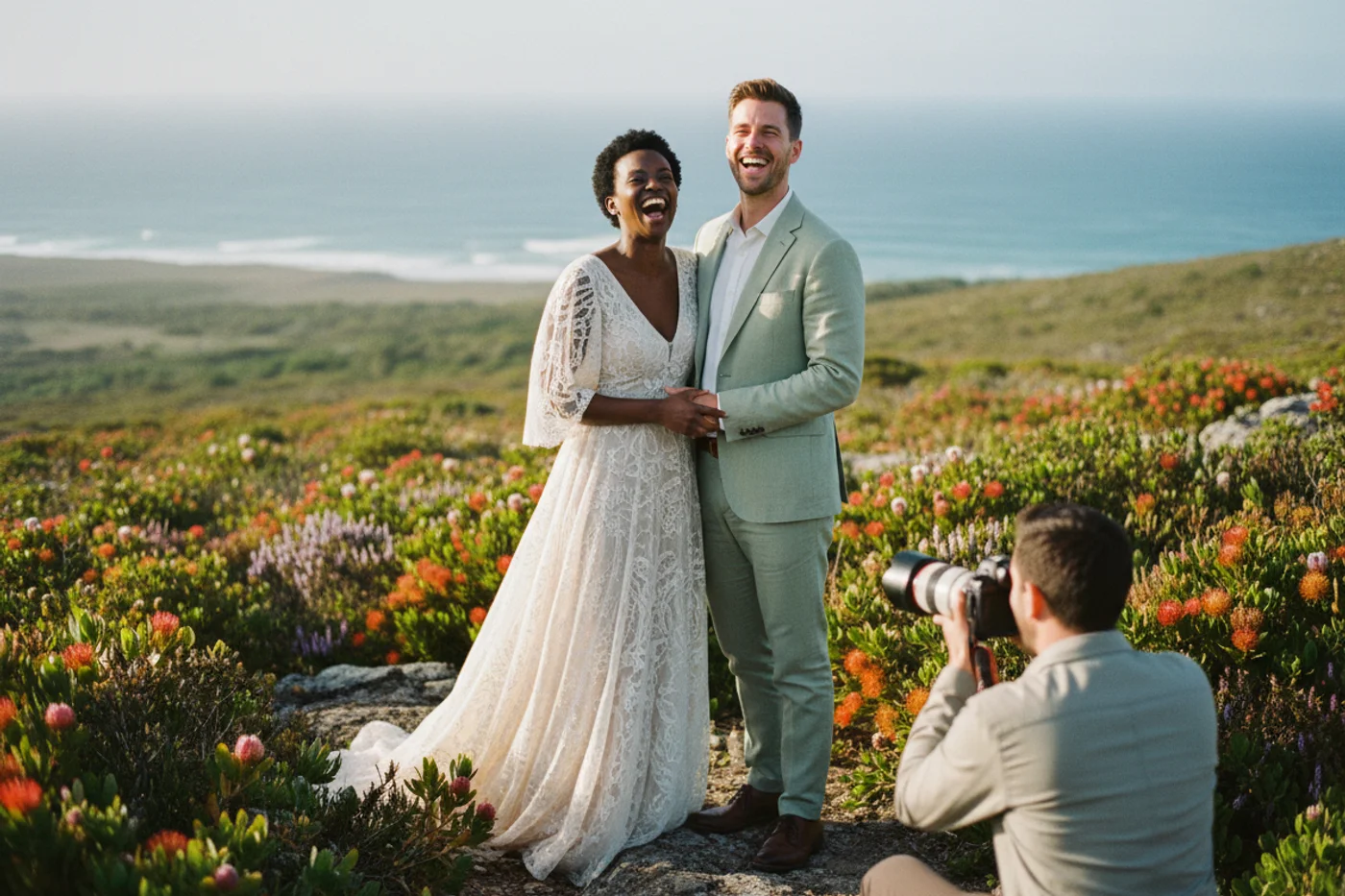
7 Tips to Survive Your Wedding Photo Shoot
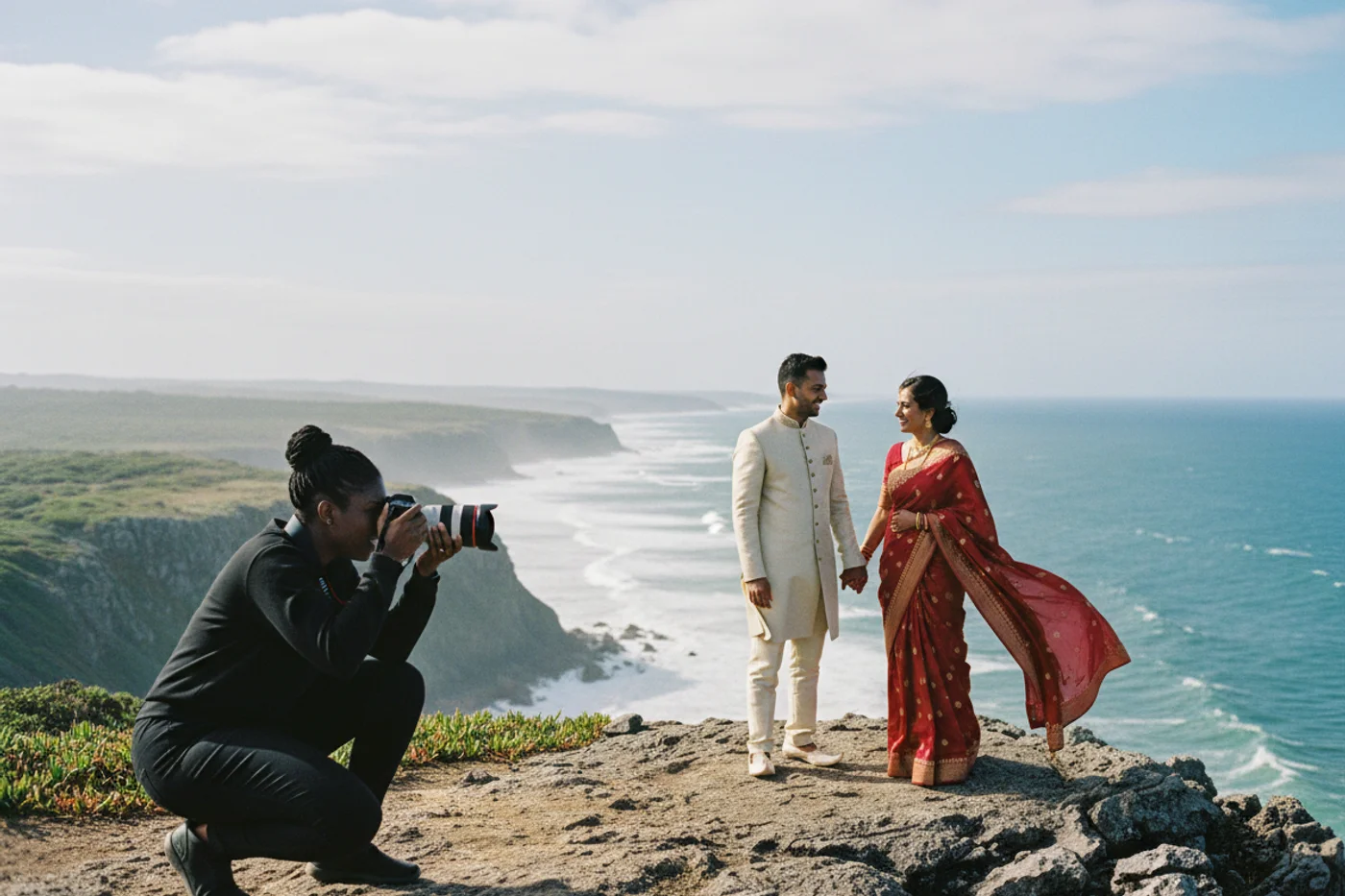
Top Wedding Photographers in the Eastern Cape (2026)

Top Wedding Photographers in the Free State (2026)
