Wedding invitations are one of the first tangible things your guests receive, and for many, it's their first real impression of your wedding's overall style and tone. That pressure, combined with the sheer number of design options available, can make invitations feel like they need a bigger budget than they actually do. The truth is that some of the most elegant wedding stationery isn't the most expensive; it's simply well-designed and well-executed. Here's how to create invitations that look considered and beautiful without spending more than you need to.
Start With a Clear Design Direction
Before comparing prices or printing options, settle on the overall look you want: minimalist and modern, romantic and floral, classic and formal, or playful and colourful. Having a clear direction prevents the common budget trap of buying premium paper stock or elaborate printing techniques for a design that would have looked just as good, or better, executed simply. A clean, well-typeset invitation on quality but affordable paper will almost always look more elegant than a busy, over-designed invitation on expensive stock, so nail the design concept first and let your budget decisions follow from that rather than the other way around.
Small Guest List, Handwritten Invitations
If your wedding guest list is genuinely small, handwritten invitations remain one of the most elegant and cost-effective options available. All you need is good-quality off-white or cream cardstock and a steady hand, or a friend or family member with attractive handwriting willing to help. A hand-lettered invitation reads as considered and personal in a way that even an expensively printed invitation sometimes doesn't, precisely because guests can see the time and care that went into it. This option scales poorly for a large guest list, so it works best for weddings under roughly fifty guests, where the time investment remains manageable.
DIY Design, Professional Printing
A popular middle-ground option is designing your own invitation using free or low-cost design software, Canva has a large library of customisable wedding invitation templates, for example, and then sending that design to a local print shop rather than paying a designer for custom work. This gives you real control over the look without designer fees, while still getting a professional, crisp print finish rather than a home-printer result. Many online print services also offer sample packs so you can check paper weight and colour accuracy before committing to a full print run, which is worth doing, since colours can render quite differently on screen versus in person.
Print at Home for Smaller Runs
For a smaller guest list, printing invitations at home on good-quality cardstock, using a design you've either created yourself or purchased as an affordable digital template, can be genuinely cost-effective and gives you full control over timing without waiting on an external supplier. Invest in a reasonably good printer or borrow access to one, and always do a single test print to check alignment, colour and paper quality before running the full batch. This approach works less well for larger guest lists, since consumer printers can struggle with consistency over a long run, and the cumulative cost of high-quality cardstock and ink can approach professional printing costs anyway once you factor in wasted test sheets and printer ink cartridges.
Digital Invitations: A Genuinely Viable Option
Digital invitations have shed a lot of their once-cheap reputation, and a well-designed digital invite sent via a proper platform, rather than a plain text message or basic email, can look genuinely elegant while costing a fraction of printed stationery. This is a particularly sensible option for a save-the-date, an engagement party, or a more casual wedding where formality isn't the top priority, and it also eliminates postage costs entirely, which can add up meaningfully for a large guest list. Some couples use a hybrid approach: printed invitations for close family and older relatives who appreciate the formality of paper, and digital invitations for a wider circle of friends and younger guests who are equally happy to RSVP through a link.
Reduce the Number of Printed Pieces
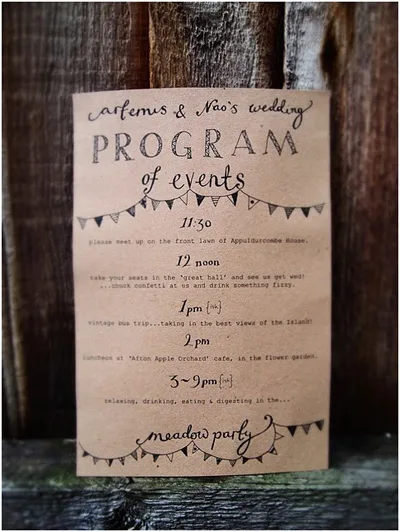
A significant portion of invitation cost comes not from the invitation itself but from the additional inserts, RSVP cards, reception cards, accommodation info sheets, direction cards, that traditionally accompany it. Consider consolidating this information onto a wedding website instead, with a simple, elegant printed card in the invitation directing guests there for full details, RSVP and any additional logistics. This single change can meaningfully reduce your printing costs while actually giving guests more useful, easily updatable information than a static printed card ever could.
Choosing Paper and Printing Techniques Wisely
Not every printing technique costs the same, and some of the most visually striking finishes, letterpress, foil stamping, embossing, come with a real premium attached. A simple, well-designed flat digital print on a nice-quality matte or textured cardstock can look every bit as elegant as a letterpress invitation to most guests, who generally won't examine the printing technique closely enough to notice the difference. If you do want one premium touch, consider applying it sparingly, a small foil detail on just the couple's names or the wedding date, rather than the full invitation, which captures some of that elevated feel at a fraction of the cost of a fully foiled suite.
Simplify the Suite Itself
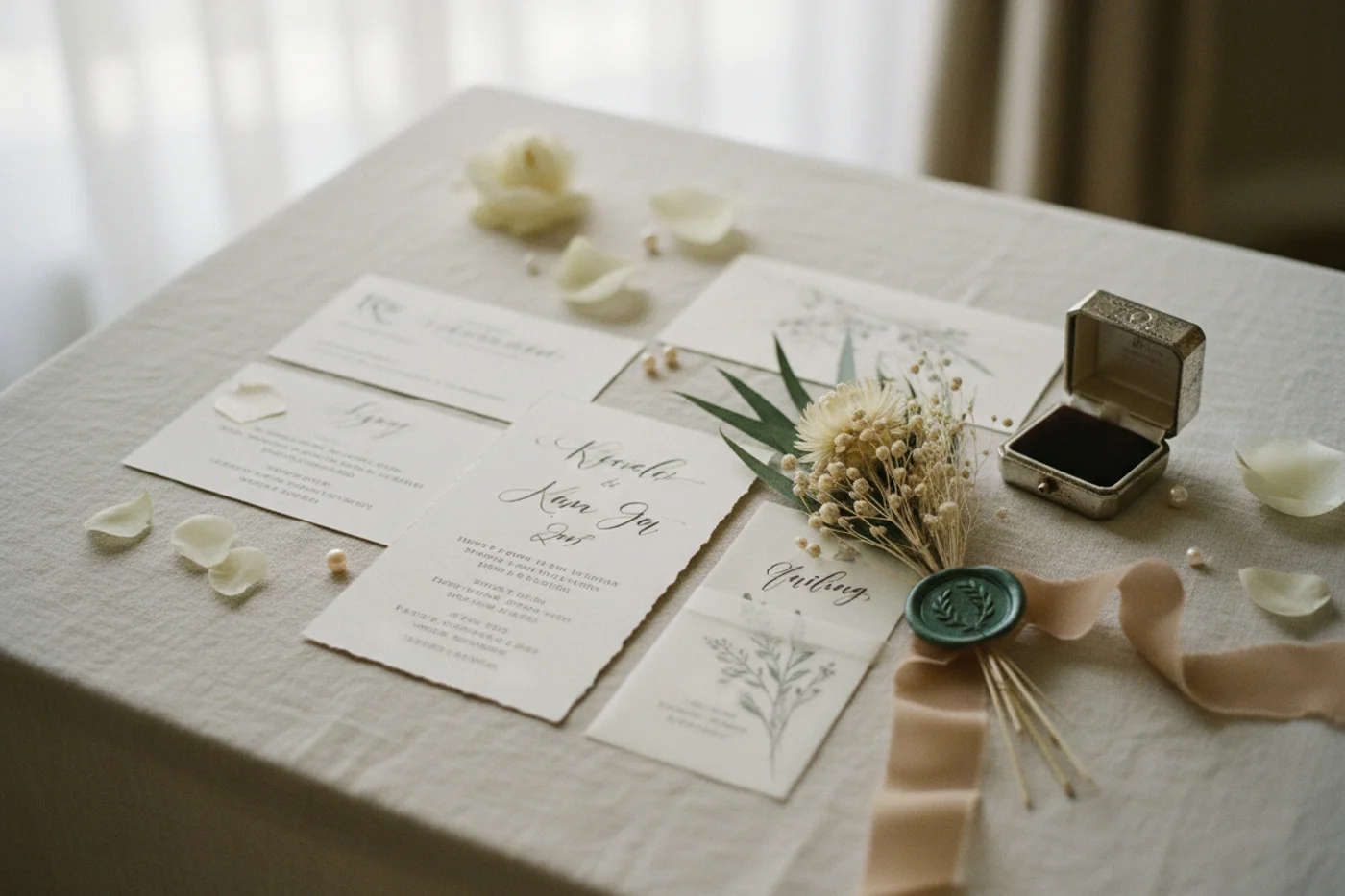
A full traditional invitation suite can include the invitation itself, an RSVP card and envelope, a reception card, an accommodation card, a map or directions card, and sometimes even additional inserts for things like a gift registry or dress code. Each additional piece adds cost, in both paper and printing, and postage weight if you're mailing physical invitations. Consider genuinely which pieces are necessary versus which could be consolidated onto a single well-designed insert or moved entirely to a wedding website. Most guests appreciate a clean, uncluttered invitation over an elaborate multi-piece suite that takes longer to open and read anyway.
Order the Right Quantity
A surprisingly common budget mistake is ordering per-guest rather than per-household. Since most invitations go to a household or couple rather than each individual guest, your total invitation count is usually significantly lower than your total guest count, sometimes by a third or more depending on how many guests are attending as couples or families. Confirm your actual household count carefully before placing a print order, and add a small buffer, generally around ten percent, for addressing mistakes, keepsakes, or last-minute additions to the guest list, rather than over-ordering significantly out of general caution.
Postage Considerations
Postage costs are easy to overlook until the invitations are designed and ready to send, particularly if your invitation suite is heavier or an unusual shape or size that requires additional postage. Weigh a fully assembled sample invitation, envelope, RSVP card and any inserts, before finalising your design, so you know the actual postage cost per invitation rather than guessing and being surprised by a higher-than-expected total once you're ready to mail the full batch.
Timing Your Order to Avoid Rush Fees
Rush printing fees can add a genuinely significant amount to your final invitation cost, and they're entirely avoidable with a bit of forward planning. Order your invitations to arrive with enough buffer to address, assemble and post them at least eight to ten weeks before the wedding for a standard invitation, or three to four months before for a destination wedding or one requiring significant guest travel. Confirm the printer's stated turnaround time and add a comfortable buffer beyond it, since even reliable print shops occasionally run behind during their busiest seasons, typically in the months leading into peak wedding season.
Enlisting Help Without Losing Quality Control
Assembly, stuffing envelopes, attaching ribbon or wax seals, addressing envelopes by hand, is genuinely time-consuming for a larger guest list, and it's an area where willing help from bridesmaids or family members can save real time without compromising the finished product, provided you're clear about the process upfront. Do one invitation together as a group to establish the exact assembly order and standard before dividing up the remaining stack, and keep a finished sample nearby throughout as a quality reference. This turns a tedious solo task into a manageable group activity, and many couples find it becomes a genuinely enjoyable evening with close friends rather than a chore squeezed in alone late at night.
The Bottom Line
Affordable wedding invitations don't need to look budget, they need to be well-designed, thoughtfully executed, and matched sensibly to your actual wedding's scale and formality. A clean, well-typeset invitation on decent cardstock, sent through whichever of these cost-conscious methods suits your guest list and timeline best, will do exactly the job an invitation needs to do: set the right tone for your wedding and give guests the information they need, without needing to compete for attention with an elaborate, expensive design nobody actually remembers a year later.
Whatever route you choose, keep one thing in mind: guests remember whether an invitation gave them a clear, easy sense of what to expect and where to be, far more than they remember the specific paper stock or printing method. Spend your energy and budget where it actually shows, clean design, accurate information, a tone that fits your wedding, and let go of any pressure to match a print budget you see attached to someone else's far more elaborate stationery online.
Wedding Invitation Wording
The Wedding Program
Afrikaanse Trou-uitnodigings: Bewoording, Etiket en Voorbeelde

How to Deliver a Great Wedding Speech
Do we have to invite every guest with a partner or ‘plus one’ even though we know they are single?
