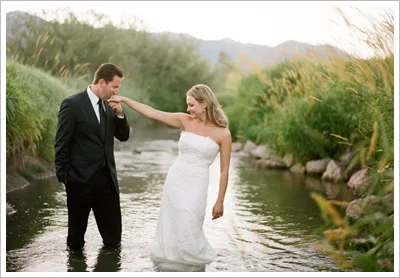
Somewhere between browsing bridal magazines and actually standing in front of a mirror in gown after gown, most brides discover that choosing a wedding dress is a far more personal, sometimes surprisingly emotional process than they expected. The right dress isn't necessarily the most expensive, the most photographed, or the most on-trend. It's the one that makes you feel completely like yourself, just a more radiant version, for an entire day of standing, walking, dancing and being hugged by everyone you love.
Start With Your Personal Style
Satin, lace, cotton, tulle: what does your ideal wedding gown actually feel like on your body? You already know what works for you and what doesn't in everyday clothing, and that instinct doesn't disappear just because you're shopping for a wedding dress. If something about a particular style is nagging at you, keep looking rather than talking yourself into it. You'll know the right dress when you find it, and that certainty is worth waiting for.
Think too about where and when your wedding will happen. A formal ballroom venue in the evening might call for a more structured, dramatic gown, while an outdoor garden wedding or a relaxed beach ceremony often suits something lighter and less constructed. Let the setting genuinely inform your choice rather than choosing the dress first and hoping the venue will work around it.
Colour: More Options Than You Might Think
White, ivory and cream remain the standard choices, but there's no rule requiring you to stick to them if something else genuinely calls to you. There's no right or wrong answer when it comes to colour, only what you'll be happy looking back on in photographs for decades to come. If you're drawn to a bolder colour but aren't fully certain how you'll feel about it in years to come, consider something more subtle for the dress itself and let bridesmaid dresses or accessories carry a bolder colour statement instead. Whatever you choose, pick what genuinely looks and feels good on you rather than what you think a wedding dress is supposed to look like.
Comfort Is Not Optional
You'll be in this dress for many hours: standing through the ceremony, posing for photographs, sitting through speeches, dancing well into the evening, and constantly being pulled into hugs. Constantly shifting and adjusting because a corset digs in or a lining rubs your skin raw is not how you want to remember your wedding day. Think honestly about how much time you'll actually spend in the dress and whether you'll genuinely be comfortable for that whole stretch, including kneeling, walking long distances at an outdoor venue, and dancing energetically if that's part of your plans.
Comfort matters enough that, if you've fallen for a dress that's undeniably stunning but genuinely uncomfortable, it's worth seriously considering a second, simpler outfit for the reception, so you can enjoy the dramatic gown for photographs and the ceremony, then change into something easier to move and dance in once the formal part of the day is done.
Choosing a Silhouette for Your Body Shape
Certain dress silhouettes tend to flatter certain body shapes particularly well, though these are starting points for exploration, not strict rules:
- Hourglass shape — often looks stunning in a sheath, ball gown or A-line silhouette
- Pear shape — frequently suits an empire waist, A-line or ball gown, which balances proportions nicely
- Apple shape — a curvy, feminine figure is often well suited to tea-length, empire or A-line styles
- Petite frame — proportion is key, so tea-length, empire or A-line styles tend to work particularly well
- Slim, athletic build — can carry a bit more volume and structure, often suiting an empire, sheath or ball gown beautifully
Try on styles outside your expected category too. Bridal shops often have gowns cut differently from ready-to-wear clothing, and a silhouette that's never worked for you in regular fashion sometimes looks entirely different in bridal construction and fabric.
Cost and Quality
- Set a firm budget before you start shopping, and try to find the best dress within that budget rather than falling for something well beyond it. Prices vary considerably between shops, so stay open-minded and patient, particularly patient, since you may find a similar design elsewhere for a fraction of the price.
- Watch for sales, sample sales and trunk shows. If you're open to a secondhand or rental dress, you might find something of genuinely high quality for far less than its original price. Renting means you won't keep the dress, but you'll still have the memories and photographs to treasure.
- A skilled dressmaker can often recreate the look of a designer dress you love for a fraction of its retail cost, and working directly with a dressmaker also gives you more say in the exact design and fit. Always ask for references before committing, to be confident in the quality of their work.
What a Wedding Dress Actually Costs in South Africa
As a general guide, boutique or made-to-order wedding dresses in South Africa typically range from R5,000 to R25,000, with designer gowns going considerably higher. Off-the-rack, sample sale or secondhand dresses can bring that down to roughly R2,000 to R8,000. Remember to budget separately for alterations, which are rarely included in the dress price and can add anywhere from a few hundred to a few thousand rand depending on how much work is needed.
Practical Points Worth Remembering
- Budget for all your bridal accessories too: shoes, undergarments, veil and jewellery, since these add up and are easy to underestimate when focused purely on the dress itself.
- Buy your shoes and undergarments before your first fitting, and wear them to every fitting from that point on, so alterations are measured against exactly what you'll be wearing on the day.
- Give yourself enough time to find the right dress. Settling for second-best because you felt rushed into a decision is one of the most common regrets brides mention after the wedding.
- Keep the overall look simple and uncluttered if that's your instinct; you can always add subtle embellishment later if the dress feels like it needs more.
- A shop-bought dress can be elevated with added trimming, lace or beadwork from a skilled dressmaker for a more custom, elevated look at a fraction of the cost of a fully bespoke gown.
- An antique or vintage wedding dress can make a genuinely striking statement, particularly for a themed or vintage-inspired wedding, and often comes with a story of its own.
Fittings: What to Expect
Most dresses require two to three fittings in total. The first happens once the dress arrives or is substantially constructed, focusing on major alterations like length and overall fit. A second fitting refines the details further, and a final fitting, ideally scheduled close to the wedding date, confirms everything sits exactly right, including with your actual shoes and undergarments. Book your first fitting appointment as soon as your dress is ordered or purchased, and don't leave the final fitting too close to the wedding itself; a week or two beforehand gives enough buffer for any last adjustments without leaving things to the very last moment.
Fabric and Season
South Africa's climate is worth factoring into your fabric choice, particularly if you're marrying during summer (November to February) in a warmer inland region, or during a Cape winter with genuine cold and wind. Heavier fabrics like satin, mikado or duchess silk hold structure beautifully but can feel warm for a long summer day outdoors; lighter fabrics like chiffon, organza or crepe breathe better and suit a hot-weather wedding far more comfortably. For a winter wedding, a heavier fabric works in your favour, and long sleeves or a beautiful shawl or cape are worth considering both for warmth and for a striking silhouette that plenty of Northern Hemisphere summer-wedding inspiration simply doesn't show.
Bringing the Right People Along
Who you bring to your dress appointments matters more than most brides expect going in. A small group of one or two people whose taste and honesty you genuinely trust will serve you far better than a large entourage of well-meaning opinions pulling you in different directions. Too many voices in the room, each with a different favourite, tends to create confusion rather than clarity, and can drown out your own instinct about which dress actually feels right. If there's someone whose opinion matters enormously to you but who can't attend in person, ask the boutique about a video call option for a shortlist of your favourites, so their input can still be part of the decision without derailing the appointment itself.
Trust the Process
Wedding dress shopping can feel overwhelming with so many styles, fabrics and price points to consider, and it's genuinely normal to try on far more dresses than you expected before finding the right one. Bring one or two trusted people whose opinions you value, rather than a large group offering conflicting advice, and remember that the dress that makes you feel most like yourself, rather than the one that photographs most dramatically, is usually the right choice in the end.

Why Short Wedding Dresses Are More Popular Than Ever

Wedding Nails for the Bold and Beautiful: Nail Art Ideas

The Complete Guide to Menswear for Weddings
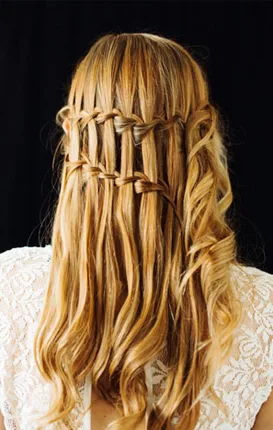
Braided Possibilities | braided hairstyles for your wedding day

Ralph Lauren's most treasured creation