Short wedding dresses used to be the quiet exception, worn mostly by brides marrying for a second time or older brides who wanted something simple. Walk into any bridal boutique today and you'll find entire racks of knee-length and tea-length gowns front and centre, worn by brides of every age, at every kind of wedding. The shift isn't a passing trend. It reflects how differently couples are choosing to get married now, and there are genuinely good, practical reasons behind it.
Why the Shift Happened
A generation ago, a full-length ball gown was close to the default expectation for a first wedding. Today's brides are marrying later, planning smaller and more informal ceremonies more often, and increasingly prioritising a dress they can actually move, dance and sit comfortably in over one built purely to make an entrance. A short dress fits that shift naturally: it's less formal by design, but that's exactly the point for a lot of couples who never wanted a hundred-and-fifty-guest formal affair in the first place.
Five Real Reasons Brides Choose Short
1. Comfort and Practicality
Most brides don't wear full-length gowns in daily life, so an entire day spent managing yards of fabric, lifting a skirt to walk, navigating stairs, avoiding a train underfoot on the dance floor, can be genuinely exhausting. A short dress lets you move naturally through your own wedding day: walking, dancing, sitting for a long reception dinner, without constant fabric management. For brides who know they want to actually dance at their own wedding rather than watch from the sidelines in a heavy skirt, this alone can be the deciding factor.
2. Suited to Smaller, More Intimate Ceremonies
As more couples choose small courthouse ceremonies, garden weddings, elopements and intimate dinners over large formal affairs, a full ball gown can feel mismatched to the scale of the day. A short dress reads as considered rather than underdressed for a twenty-guest wedding, matching the tone of a more relaxed celebration without looking like you didn't make an effort.
3. Cost
Less fabric, less structure and generally less hand-finishing work means a short wedding dress is usually meaningfully cheaper than an equivalent full-length gown, sometimes by several thousand rand. For couples working with a defined budget who'd rather put more of it toward the venue, photography or the honeymoon, a shorter dress frees up real money elsewhere without sacrificing how the bride looks or feels.
4. Room for Personality and Creativity
A short dress reads as a deliberate style choice rather than a scaled-down version of tradition, and it opens up options beyond stark white: blush, champagne, ivory, even soft sky blue or sage have all found their way into short bridal collections for brides who want their dress to feel personal rather than expected. It also pairs naturally with statement shoes, since there's no hemline hiding them, which matters more to some brides than any amount of skirt embellishment ever could.
5. A Natural Choice for Second Weddings and Older Brides
Brides marrying for a second or third time, or marrying later in life, have long gravitated toward shorter, simpler dresses that feel appropriate to the occasion without echoing a full traditional first wedding. That's still true today, though it's no longer the primary reason short dresses are popular; first-time brides in their twenties now choose short dresses just as often, for entirely different reasons of their own.
Styles and Lengths to Consider
"Short" covers a wider range than people often expect, and the differences matter for how formal or casual the dress reads:
- Mini length: hits well above the knee, the most casual and playful option, well suited to a reception dress change or a very informal ceremony
- Knee length: the most versatile short option, formal enough for most ceremony settings while still being genuinely easy to move in
- Tea length: falls between the knee and the ankle, a popular middle ground that reads more traditional than a mini or knee-length dress while still showing off shoes and legs
- High-low or handkerchief hem: shorter at the front, longer at the back, giving a sense of drama and movement without the full practical weight of a long train
Fabric and silhouette matter as much as length. A short lace sheath dress reads elegant and refined; a fuller short dress with a structured underskirt reads playful and a little retro; a minimalist satin slip-style short dress reads modern and understated. There's a version of short that fits almost any aesthetic a bride is going for.
The Two-Dress Trick
One increasingly popular approach uses a detachable overskirt: a bride wears a long skirt over a short dress for the ceremony and formal photos, then removes the overskirt before the reception to dance in the shorter dress underneath. It's a clever way to get the full traditional silhouette in photos without sacrificing comfort for the rest of the night, and it means only owning one dress rather than budgeting for a full ceremony gown and a separate reception outfit.
Practical Considerations Before You Buy
A few things are worth thinking through specifically because the dress is short, not just because it's a wedding dress:
- Shoes matter more. With nothing hiding your feet, invest properly in the shoes; they'll be visible in nearly every photo of the day.
- Consider the venue and season. A short dress works beautifully for a summer garden or beach wedding, but check with your venue or officiant if there's a formal dress expectation, particularly for a church ceremony, where some officiants and older relatives still expect a more traditional length.
- Think about hosiery and skin exposure for cooler weddings. A short dress in a South African winter, especially an evening wedding in Gauteng or the Karoo where temperatures drop fast after sunset, may need a wrap, bolero or tights to stay comfortable through the reception.
- Alterations still matter. A short hemline shows every unevenness far more obviously than a floor-length gown does, so a proper, precise alteration is worth the investment even on a simpler dress.
Pairing a Short Dress With the Rest of Your Look
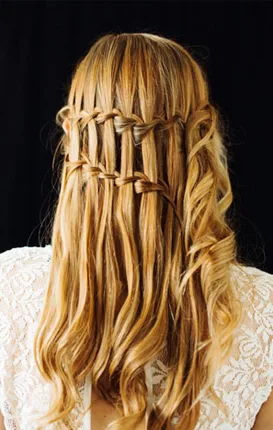
A short wedding dress changes how the rest of your bridal look reads, and it's worth planning the accessories deliberately rather than as an afterthought. Because there's no long skirt drawing the eye downward, a statement veil, a bold hair accessory, or a striking pair of earrings can carry more visual weight than they would with a full-length gown. Similarly, since your legs and shoes are fully visible all day, this is one bridal look where genuinely investing in the right shoes pays off far more than it would with a floor-length dress that hides them entirely.
Think about proportion too. A very full, structured short dress can look top-heavy without a hairstyle or headpiece that balances it, while a slim, minimalist short dress often benefits from a slightly softer, more relaxed hairstyle rather than an overly severe one. If you're unsure, try your dress with a couple of different hair and accessory options during a fitting rather than deciding on styling separately and hoping it comes together on the day.
What to Say to Family Who Expect Tradition
If you're getting pushback from relatives who expected a full-length gown, it can help to frame the choice honestly: this is the dress that lets you actually enjoy your own wedding day, rather than manage a garment through it. Most resistance softens once family members see how genuinely happy and comfortable a bride looks in a dress that actually suits her and her day, rather than one chosen to satisfy an expectation nobody quite remembers the origin of.
Shopping for a Short Dress in South Africa
Local bridal boutiques and designers increasingly stock short and tea-length options alongside traditional gowns, and made-to-measure short dresses are often quicker to produce than full-length ones, since there's simply less fabric and construction involved. This can be a real advantage if you're planning on a shorter timeline. Try dresses in the season and lighting closest to your actual wedding conditions where possible; a dress that photographs beautifully in a boutique's soft indoor lighting can read differently under bright outdoor summer sun or golden hour evening light.
A short dress also suits South Africa's warmer months particularly well. A hot, humid December or January ceremony in KwaZulu-Natal or the Lowveld is far more comfortable in a lighter, shorter dress than in a fully lined ball gown, and you'll look noticeably fresher in photos taken hours into the reception once the heat of the day has properly set in.
The Bottom Line
Short wedding dresses have moved firmly from the exception to a completely mainstream choice, and for good reason. They're more comfortable, often more affordable, better suited to smaller and more casual celebrations, and give a bride room to express something more personal than tradition alone dictates. Whether you choose mini, knee-length or tea-length, the right short dress does exactly what any wedding dress should: it makes you feel completely like yourself on the day that matters most.