Ask most couples what they're doing for wedding entertainment and you'll get one of two answers: a DJ or a live band. Both are excellent options and for good reason, but there's a third one that rarely makes it onto the shortlist despite solving a few problems the other two can't: hiring a jukebox.
Say "jukebox" and most people picture the large, glowing machines from 1950s diners, all chrome trim and bubbling neon tubes. Modern wedding jukeboxes have moved a long way past that image. Today's units are sleek touchscreen systems capable of storing tens of thousands of songs, with some models able to pull additional tracks on demand from an online library via broadband, giving guests an almost unlimited, constantly current song selection without needing a human DJ standing behind the decks all night.
How a Jukebox Actually Compares to a DJ or Band
The honest answer is that each option suits a different kind of wedding, so it's worth understanding the real trade-offs rather than assuming one is simply "better."
- Song selection: A jukebox typically holds a far larger catalogue than any single DJ or band could realistically prepare, and modern units let guests search and queue songs directly rather than relying on requests being relayed and remembered.
- No breaks required: A live band needs rest breaks throughout the evening, and even DJs typically build in a short changeover or two. A jukebox plays continuously for as long as it's hired, with no dead air between sets.
- Guest control: Guests choose songs directly via the touchscreen interface rather than shouting requests over the music or trying to find the DJ between songs, which tends to keep the dance floor fuller for longer since the music never stalls waiting on a request being sorted.
- Space and setup: A jukebox unit is far more compact than a full band setup or even a DJ's booth, speakers, and lighting rig, which matters at smaller or more intimate venues where floor space is limited.
- Cost: Jukebox hire is generally significantly cheaper than a live band and often somewhat cheaper than a full DJ package with lighting, particularly for a full-night booking rather than a few hours.
- Volume control: Standard jukebox sound systems are typically calibrated for venues holding up to around 100 guests, giving couples reasonable control over volume to suit the mood of the room rather than needing a live operator to manage it.
What a jukebox can't replicate is the energy a live band brings, the crowd-reading instincts of an experienced DJ who can shift the whole room's mood with one well-timed song change, or the personal MC role many DJs and bandleaders play throughout the evening, introducing speeches, announcing the first dance, and keeping the reception's pacing on track. If those elements matter to you, a jukebox alone may leave a gap a hired MC would need to fill separately.
What to Check Before Booking a Jukebox
A jukebox is a piece of equipment, not a performer, so the due diligence looks a little different from vetting a DJ or band. Before signing anything, confirm the following:
- SAMRO registration. The South African Music Rights Organisation protects the intellectual property of composers and songwriters, and any legitimate jukebox provider operating commercially in South Africa should be registered. This isn't just a technicality, an unlicensed jukebox playing copyrighted music at a paid event can create real legal exposure for both the provider and, in some cases, the client who booked it. The same rule applies to DJs, incidentally, so it's worth asking regardless of which entertainment option you choose.
- Track selection breadth. Most jukeboxes let you load your own music in advance via digital file upload, and many newer models can stream additional tracks on demand. Since your guest list will span multiple generations and musical tastes, check that the provider's catalogue genuinely spans decades, not just current chart hits, and consider submitting a small pre-approved playlist covering everything from your grandparents' era to whatever's trending now.
- Upgrade options. Many jukebox hire packages include add-ons worth asking about specifically: a wireless microphone for speeches and toasts, additional lighting, or an extra speaker for larger venues. These extras often cost far less bundled into the jukebox hire than sourcing them separately.
- Interface quality. Insist on seeing the actual touchscreen interface before booking, not just a photo of the unit. A good system offers an intuitive search function, a visible song queue so guests can see what's coming, and ideally a "virtual DJ" auto-play mode for any stretch of the evening when nobody's actively queuing songs.
- Billing structure. Confirm whether the hire is charged per day or per hour. A flat per-day rate is usually better value for a full wedding reception running from early evening well into the night, since per-hour billing can add up quickly once speeches, dinner, and dancing run long.
- Cashless operation. Make sure the unit isn't coin-operated. A modern wedding jukebox should run entirely on the hire agreement you've already paid for, with no additional per-song charges landing on your guests during the night.
Who a Jukebox Suits Best
A jukebox tends to work particularly well for couples planning a more relaxed, casual reception, a smaller wedding where a full band feels disproportionate to the guest count, or a tighter budget that still wants genuinely good music without the cost of hiring a live act. It also suits couples anxious about song requests being ignored or forgotten during a busy night, since guests queuing songs themselves removes that entire layer of miscommunication. Couples planning a longer reception, particularly one running well past midnight, also benefit from a jukebox's ability to keep playing continuously without needing rest breaks that can otherwise empty a dance floor at exactly the wrong moment.
It's a weaker fit for couples who specifically want live musical performance as part of their reception's atmosphere, a string quartet during dinner or a full band during the dancing portion, or for larger, more formal weddings where a skilled MC is doing real work managing the evening's pacing and speeches alongside the music.
A Hybrid Approach
Plenty of couples land on a middle ground: a live band or acoustic act for the earlier part of the evening, cocktail hour and dinner, followed by a jukebox once the formal parts of the night wrap up and the dance floor opens properly. This gives guests a genuine live music experience during the calmer portion of the evening while keeping costs down and the music flowing continuously once the party really gets going. If you go this route, make sure whoever's managing the room, a planner, a venue coordinator, or a designated friend, knows exactly when the handover between band and jukebox is meant to happen, so there isn't an awkward gap in the music while equipment gets swapped over.
Where to Find Jukebox Hire in South Africa
Jukebox hire companies operate across South Africa's major centres, with a concentration of providers around Johannesburg and Pretoria given the density of weddings and corporate events in Gauteng. Search locally for event entertainment hire companies and ask specifically about wedding jukebox packages, since some providers focus primarily on corporate events and may not have a wedding-specific package ready to quote. As with any wedding vendor, ask for references from recent weddings, not just corporate functions, since the atmosphere and requirements of the two events differ meaningfully.
Building a Song List Your Whole Guest List Will Actually Enjoy
One underrated advantage of a jukebox is how it forces couples to think properly about the generational spread of their guest list well before the wedding, rather than leaving it to a DJ's on-the-spot judgment. Sit down together and build a pre-loaded playlist that spans your parents' wedding-era favourites, the songs that mattered during your own relationship, and current dance floor staples that will get younger guests up and moving. A jukebox with a genuinely broad, well-curated library solves the classic wedding entertainment complaint: older relatives complaining the music is too loud and unfamiliar, while younger guests complain the playlist feels dated. Since guests are queuing their own songs directly, a broad library also means nobody feels like their taste has been left out of the night entirely.
It's worth flagging a handful of "do not play" songs to the provider too, not just a wish list. Every reception has at least one song that risks emptying the dance floor or, worse, upsetting a specific guest for personal reasons, and a jukebox operator can usually block specific tracks from the guest-facing queue if you flag them in advance.
The Bottom Line
A jukebox won't replace the electricity of a genuinely great live band, and it won't replace a DJ's ability to read a room and adjust on the fly. What it offers instead is reliability, breadth of catalogue, and a lower price tag, three things that matter a great deal to plenty of couples planning a wedding on a real budget. It's worth at least getting a quote alongside your DJ and band options before deciding, particularly if your reception venue is on the smaller side or your guest list spans several generations with wildly different music tastes.
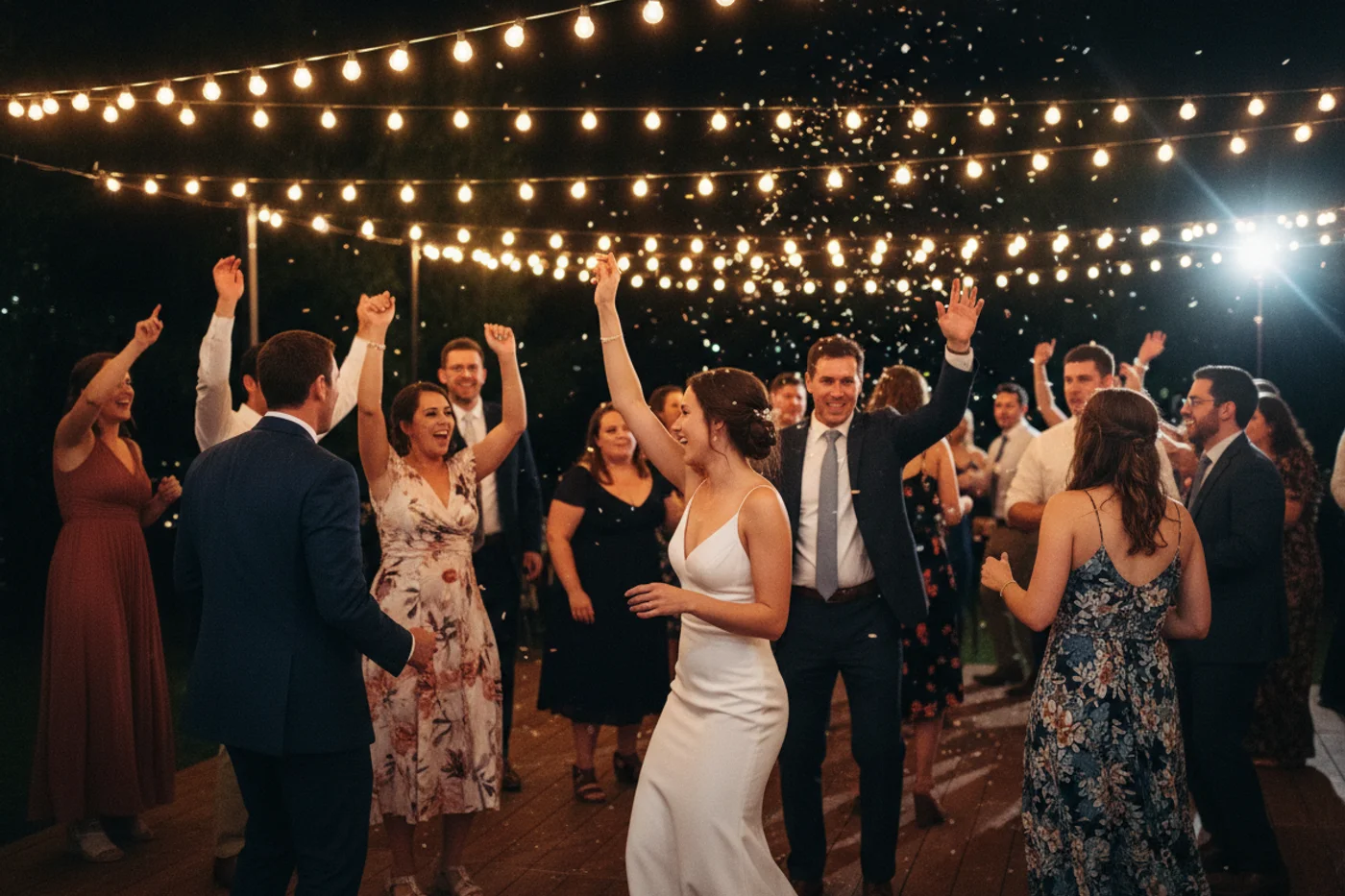
Best Wedding Songs for Every Moment: The Complete Playlist Guide
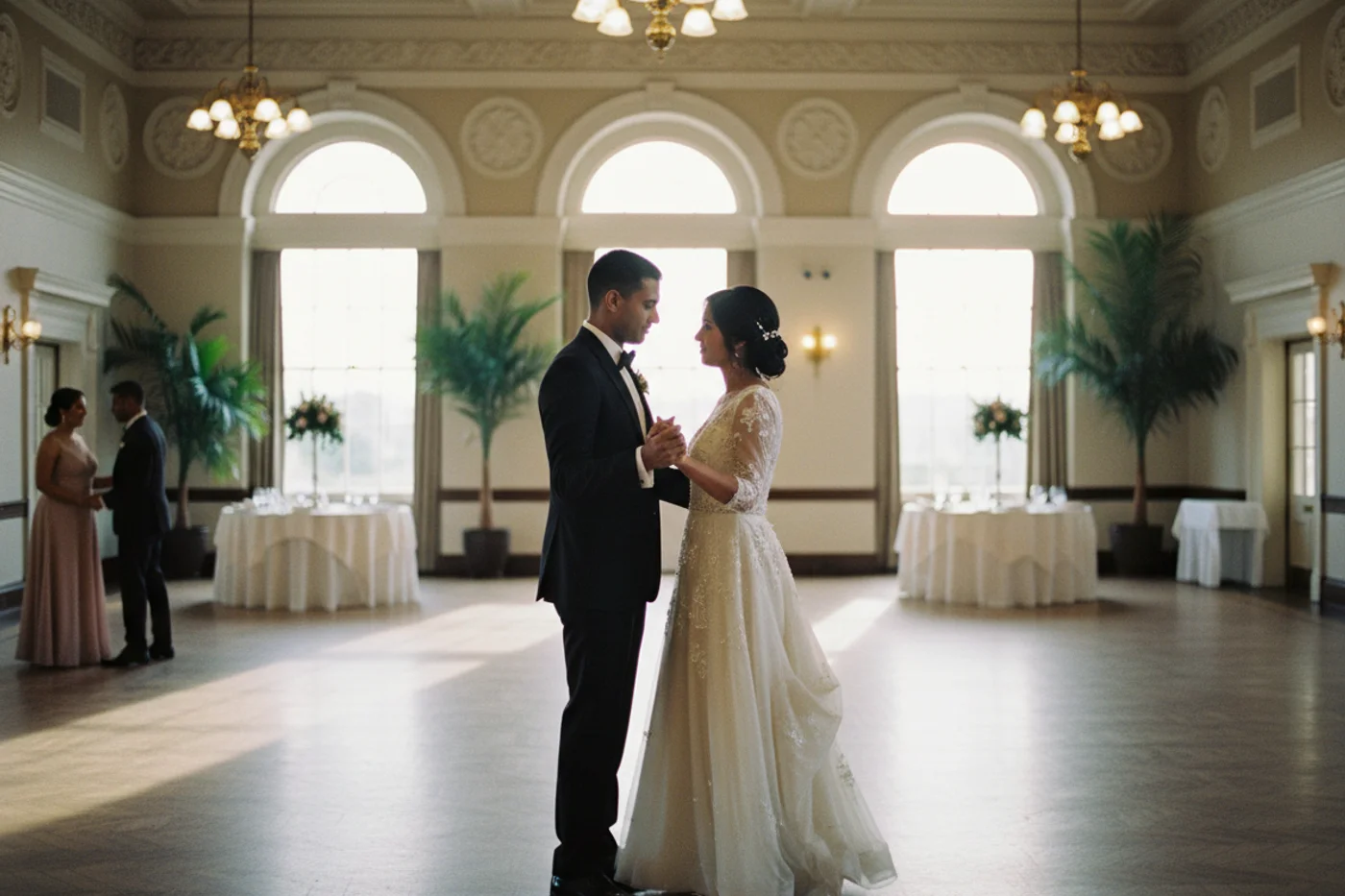
Top Ten Classical First Dance Songs

Choosing the Right Wedding Music

Sotho and Tswana Traditional Weddings: Customs and Attire

Shakespeare Quotes
