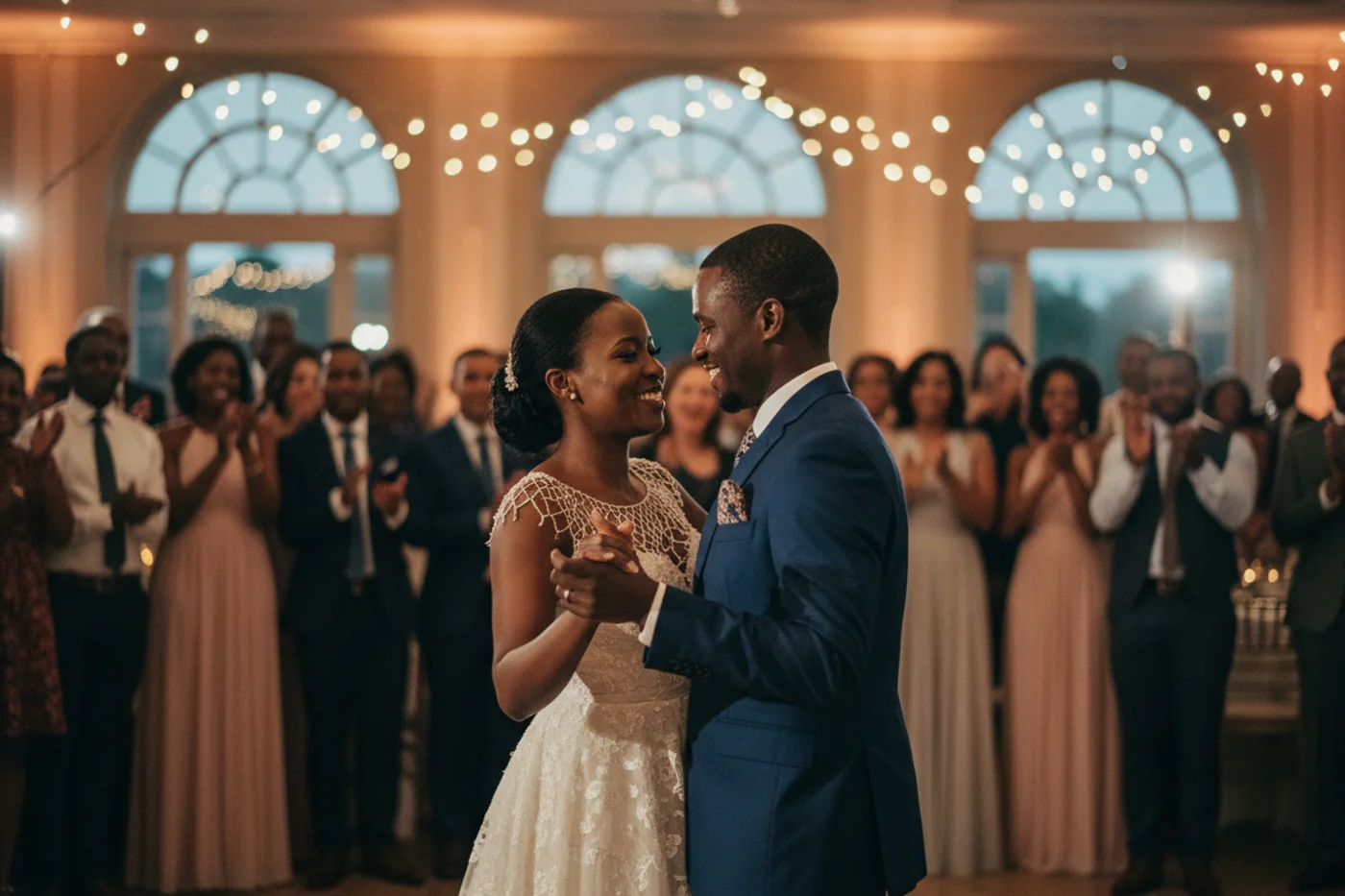
Most couples default to a pop ballad or an R&B slow jam for their first dance, and there's nothing wrong with that. But classical music offers something a contemporary song rarely can: a piece built specifically for movement, with the kind of sweeping structure that gives a dance actual shape, a build, a lift, a graceful close. If you want your first dance to feel like a genuine performance rather than a slow sway in a circle, classical dance music is worth serious consideration.
This isn't a definitive ranking, it's a curated set of ten pieces that work particularly well for a reception first dance, each with a clear reason why it earns its place, along with practical notes on how to actually use classical music for a dance that isn't ballet training.
Why Choose Classical Music for Your First Dance
Classical pieces, especially waltzes and romantic-era orchestral works, were often written with dance in mind from the outset, which gives them a natural rhythmic structure that suits a simple learned routine far better than most modern songs do. They also age beautifully. A couple who chooses a beloved pop song risks that song feeling dated or overplayed within a decade; a two-hundred-year-old waltz has already proven it doesn't go out of style. Classical music also gives a reception a distinct, elegant moment that stands apart from the rest of the evening's playlist, which many couples find is exactly the effect they're after for this one particular dance.
The Ten Pieces
1. "The Blue Danube" – Johann Strauss II
Perhaps the most recognisable waltz ever written, its three-beat rhythm is instantly danceable even for couples with zero formal dance training, since the tempo naturally guides a simple box step. Its instant recognisability means guests will know exactly what moment they're witnessing the second the opening notes play.
2. "Waltz of the Flowers" (from The Nutcracker) – Pyotr Ilyich Tchaikovsky
A lush, romantic piece with a gorgeous harp introduction that builds into a full, sweeping waltz. It suits couples who want their first dance to feel like a genuine moment of grandeur, and its association with The Nutcracker gives it extra resonance for a winter wedding.
3. "Canon in D Major" – Johann Pachelbel
Better known as a processional piece, Pachelbel's Canon also works beautifully as a first dance choice for couples who want something gentle, steady, and deeply familiar rather than a full formal waltz. Its repeating structure makes it forgiving for couples still learning basic steps.
4. "Clair de Lune" – Claude Debussy
A softer, more intimate choice than a full orchestral waltz, Clair de Lune suits couples who want their first dance to feel quiet and tender rather than grand. Its slower, more flexible tempo also gives couples more room to simply hold each other and move naturally, rather than following a strict count.
5. "Waltz No. 2" (from Suite for Variety Orchestra) – Dmitri Shostakovich
A more theatrical, slightly bittersweet waltz with real dramatic sweep, well suited to couples who want something a little less conventionally "pretty" and a little more emotionally layered. Its cinematic quality (it's been used in several films) gives it a modern familiarity despite its classical roots.
6. "Air on the G String" – Johann Sebastian Bach
A gorgeous, slow, deeply romantic piece that suits a couple wanting an intimate, unhurried first dance rather than a technically choreographed one. Its tempo is gentle enough for a simple sway-and-turn routine with minimal formal steps.
7. "Emperor Waltz" – Johann Strauss II
A grander, more triumphant alternative to The Blue Danube, with a stately opening that builds into a full waltz. This suits a formal ballroom-style reception where the couple wants their first dance to feel like a genuine centrepiece moment of the evening.
8. "Meditation" (from Thaïs) – Jules Massenet
A hauntingly beautiful violin solo piece, slower and more contemplative than a waltz, well suited to couples who want their first dance to feel deeply personal and quiet rather than a showpiece for the room.
9. "Salut d'Amour" – Edward Elgar
Written by Elgar as a gift to his fiancée, this piece carries genuine romantic history behind it, and its gentle, unhurried melody suits couples who want a first dance with real emotional weight without the formality of a strict waltz structure.
10. "Waltz No. 1 in D-flat Major (Minute Waltz)" – Frédéric Chopin
Lighter and quicker than the grand orchestral waltzes above, Chopin's Minute Waltz suits a couple who wants their first dance to feel playful and light on its feet rather than solemn or overly formal.
What Makes a Classical Piece Work for Dancing Versus Just Listening
Not every beautiful classical piece translates well to an actual first dance. The strongest choices share a few traits: a clear, consistent tempo that doesn't swing dramatically between very slow and very fast sections within the piece, a length that can be comfortably trimmed to two or three minutes without losing its emotional arc, and a melody familiar enough that guests recognise and connect with it emotionally, even if they couldn't name the composer. Pieces with sudden dramatic tempo shifts or long quiet passages, however beautiful in a concert setting, can leave a couple stranded mid-dance, unsure whether to keep moving or pause. When in doubt, listen to your shortlist all the way through at least once with your actual dance in mind, not just the opening bars that usually get used in trailers and adverts.
Choosing Between a Full Orchestral Waltz and Something Gentler
Not every classical piece here calls for the same kind of dance. The grander waltzes, The Blue Danube, the Emperor Waltz, Waltz of the Flowers, genuinely suit a learned routine with a proper box step or a few simple turns, and are worth booking a handful of dance lessons for if you want to do them justice. The gentler, slower pieces, Clair de Lune, Air on the G String, Salut d'Amour, work perfectly well as a simple sway, holding each other close and turning slowly, with no formal steps required at all. Be honest about how much time and appetite you actually have for dance lessons before committing to a full waltz routine; a beautifully simple sway to a gentler piece will always look better than a fumbled attempt at formal choreography.
Live Musicians or Recorded Track?
Classical music, more than almost any other genre, benefits from live performance if your budget allows for it. A string quartet or a solo pianist playing your chosen piece live adds a layer of atmosphere a recorded track can't replicate, and most classical wedding musicians in South Africa's major centres can arrange a piece specifically for whatever instrumentation you're hiring. If a recorded track is the more practical choice, invest a little time finding a high-quality recording rather than defaulting to the first version that comes up in a search, since orchestral recordings vary enormously in quality and pacing.
Finding Classical Musicians in South Africa
South Africa has a genuinely strong pool of classically trained musicians available for private bookings, particularly string quartets and solo pianists, concentrated around Johannesburg, Pretoria, Cape Town, and Durban, often musicians who play with regional philharmonic orchestras or teach at university music departments and take on wedding bookings on the side. Reach out through classical music societies, university music departments, or wedding vendor directories rather than assuming this kind of act is prohibitively expensive; a string trio or quartet for a single first dance piece is often more affordable than couples expect, especially if booked for just the ceremony and first dance rather than an entire evening's entertainment. Ask any musician you're considering for a recording of a similar piece before booking, since tone and interpretation vary meaningfully between performers even on the same well-known composition.
Transitioning Out of Classical Once the Dance Ends
One practical detail worth planning in advance: what happens musically the moment your classical first dance ends. A jarring cut from a delicate Debussy piece straight into a high-energy pop track can feel abrupt and undercut the mood you've just built. Many couples ask their DJ or band to bridge the transition with a short, softer contemporary song before ramping up the tempo, or invite parents onto the floor for a second, gentler song immediately after the first dance concludes, giving the room a natural, gradual shift in energy rather than an abrupt tonal whiplash between two very different genres.
A Word on Timing
Most of these pieces run between two and five minutes, but many recordings include a full repeat or extended sections that can be trimmed. Work with whoever's handling your reception's audio, whether that's a DJ, a band, or your venue's sound system, to prepare an edited version timed to a length that suits your comfort level rather than feeling obligated to dance the entire unedited piece. Two to three minutes is generally plenty for a first dance, regardless of genre.
Whichever piece you land on, remember that the goal isn't a flawless performance, it's a genuine moment between the two of you that also happens to look beautiful to everyone watching. A classical piece gives that moment structure and elegance it might not otherwise have, but the warmth guests remember afterward has far more to do with how present and unguarded you both looked than with how precisely you hit each turn.