Long before DJs and playlists, weddings had music, and classical composers wrote some of the most enduring pieces ever composed specifically for the ceremony itself: the walk down the aisle, the signing of the register, the triumphant walk back out as a married couple. These pieces have survived centuries of changing musical fashion because they simply work, structurally and emotionally, for exactly this moment. Here's a curated guide to classical ceremony music, organised by where in the ceremony each piece actually belongs, since a processional piece and a recessional piece call for very different energy.
Processional Music: Walking Down the Aisle
Processional music needs a steady, measured tempo that matches a deliberate walking pace, not too fast, not so slow it drags. It also needs to build anticipation without overwhelming the moment before the bride or the second partner actually appears.
"Bridal Chorus" ("Here Comes the Bride") – Richard Wagner, from the opera Lohengrin
The single most recognisable piece of wedding music in the Western world, played traditionally as the bride enters. It's worth knowing before you commit to it that this piece is generally considered inappropriate for Jewish and Roman Catholic ceremonies specifically, due to both its operatic (rather than sacred) origins and some historical associations with Wagner himself, so check with your officiant if your ceremony follows either tradition.
"Canon in D Major" – Johann Pachelbel
A gentler, steadier alternative to the Bridal Chorus, Pachelbel's Canon has become one of the most popular processional choices precisely because its repeating, layered structure builds gradually without ever feeling rushed or overly dramatic. It suits a slower, more contemplative aisle walk beautifully.
"Prince of Denmark's March" (Trumpet Voluntary) – Jeremiah Clarke
A bright, ceremonial piece with a distinctly regal character thanks to its prominent trumpet line, this suits couples wanting a processional that feels celebratory and stately from the very first note, rather than building gradually like Pachelbel's Canon.
"Air on the G String" – Johann Sebastian Bach
A slower, more tender option than either of the above, well suited to an intimate ceremony where the couple wants the aisle walk to feel quiet and personal rather than grand or triumphant.
Music for the Signing of the Register
This portion of the ceremony, while the couple and witnesses complete the legal paperwork, calls for something gentle that fills the quieter administrative moment without demanding the room's full attention the way a processional or recessional does.
"Ave Maria" – Franz Schubert
A beautifully devotional piece, whether performed vocally or as an instrumental arrangement, that suits the quieter, more reflective tone needed while paperwork is completed. Its gentle, unhurried pace works well as background music that doesn't demand attention but rewards it if guests choose to listen closely.
"Jesu, Joy of Man's Desiring" – Johann Sebastian Bach
A warm, steady piece with a naturally uplifting quality, well suited to filling a few minutes of quiet ceremony business without feeling like dead air. Its familiar, comforting melody works whether performed on organ, piano, or by a small ensemble.
"Clair de Lune" – Claude Debussy
A softer, more modern-sounding choice for couples who want the register-signing moment to feel intimate and gently reflective rather than traditionally religious in tone.
Recessional Music: Walking Back Out as Newlyweds
Recessional music needs the opposite energy from processional music: bright, celebratory, and paced for a lighter, quicker walk, since this is the moment the couple exits as married partners for the first time, typically to applause.
"Wedding March" – Felix Mendelssohn, from A Midsummer Night's Dream
The classic recessional counterpart to Wagner's Bridal Chorus, Mendelssohn's Wedding March is bold, triumphant, and instantly recognisable, making it the traditional first choice for the celebratory walk back down the aisle as newlyweds.
"Hornpipe" (from Water Music) – George Frideric Handel
A lively, brass-forward piece with real momentum, well suited to a recessional that wants to feel genuinely festive and energetic rather than simply traditional. Its brighter tempo naturally quickens the pace of the exit walk.
"Spring" (from The Four Seasons) – Antonio Vivaldi
Bright, quick, and instantly uplifting, this piece works beautifully as a recessional for a couple wanting something joyful and energetic that still carries the weight and familiarity of a genuinely great classical composition.
Choosing Music That Suits Your Ceremony's Faith or Tradition
Before finalising any piece, check with your officiant or venue about any restrictions specific to your ceremony's religious or cultural tradition. As mentioned above, Wagner's Bridal Chorus is generally avoided in Jewish and Roman Catholic ceremonies. Some churches also have their own guidelines about which pieces are considered appropriate within a religious service versus purely secular, so it's worth having this conversation early rather than discovering a restriction during a final rehearsal.
Live Performance Versus Recorded Music
Ceremony music benefits enormously from live performance if your budget allows, a string quartet, a solo organist, or a pianist adds genuine atmosphere and can adjust tempo in real time to match your actual walking pace, something a recorded track can't do. If a recording is the more practical choice, work with your officiant or venue's sound technician on cueing, since ceremony music needs to start and stop at precise moments (the exact second the bride appears, the exact moment the couple turns to walk back out) in a way that reception music generally doesn't require.
Building a Full Ceremony Music Plan
A complete ceremony typically needs distinct music for several moments beyond just the processional and recessional: prelude music while guests are being seated, the processional itself, a quiet piece during the signing of the register if applicable, and the recessional. Some ceremonies also include a specific piece during the ring exchange or a unity ritual. Map out your full ceremony run of show with your officiant first, then assign a piece to each distinct moment, rather than choosing pieces first and trying to fit them into a ceremony structure that hasn't been finalised yet.
Practical Tips for South African Ceremonies
If your ceremony is outdoors, which is common for South African weddings given the climate for much of the year, confirm whether live musicians need power for amplification, and have a backup plan for wind or unexpected weather affecting sound quality, particularly for a solo instrument like a violin or flute that can get lost outdoors without amplification. For a recorded ceremony soundtrack, test the sound system at your actual venue beforehand rather than assuming a system that works well indoors will project adequately across an open garden or lawn setting.
Coordinating Timing With Your Officiant and Musicians
The single most common ceremony music mishap isn't a bad song choice, it's poor timing. A processional piece that's too short leaves the bride or entering partner still walking after the music has ended, while a piece that's too long creates an awkward stretch of silence before the ceremony itself begins. Share your venue's actual aisle length and a rough sense of walking pace with your musicians or DJ well in advance, and if possible, do a quick walkthrough rehearsal to the actual piece, ideally at the venue itself, rather than guessing at timing based on the song's full runtime. Most processional pieces can be trimmed or looped slightly to match your specific walk, so don't feel locked into using a full, unedited recording if it doesn't naturally fit your aisle's length.
The same applies to the recessional. Confirm with your officiant exactly when the music should begin, generally the moment you're pronounced married and turn to face your guests, so there's no delay between that triumphant moment and the music that's meant to underscore it.
Budgeting for Ceremony Musicians in South Africa
A solo musician, an organist, pianist, or violinist, for a ceremony typically costs less than a full ensemble, and is often the most practical option for smaller or more intimate ceremonies. A string quartet or trio, offering a fuller, richer sound across the processional, signing, and recessional, costs more but delivers a noticeably more polished, layered result, particularly for larger or more formal ceremonies. Rates vary by region and experience level, so request quotes from a few options and ask specifically what's included, travel costs to the venue, rehearsal time, and the number of pieces they'll prepare, since some quotes cover only the processional and recessional while others include the full ceremony's musical needs.
A Timeless Choice
Unlike a first dance song, which reflects a couple's individual taste and relationship history, ceremony music tends to work best when it draws from this shared, centuries-old tradition, precisely because these pieces have already proven, across generations of weddings, that they carry the exact weight and warmth the moment calls for. Choosing well-loved classical pieces for your ceremony doesn't make the moment feel less personal, it connects your particular wedding to every couple who's walked down an aisle to the same music for the better part of two centuries, which is its own kind of romance.
That said, tradition shouldn't override genuine preference. If neither of you feels any real connection to the standard processional and recessional pieces, there's nothing wrong with choosing a lesser-known classical work, or even a contemporary piece arranged in a classical style, provided your officiant and venue are comfortable with the choice. The goal is a ceremony that feels authentically yours, whether that means leaning fully into two centuries of tradition or picking just one or two pieces from this list and building the rest of your ceremony's soundtrack around something entirely your own.
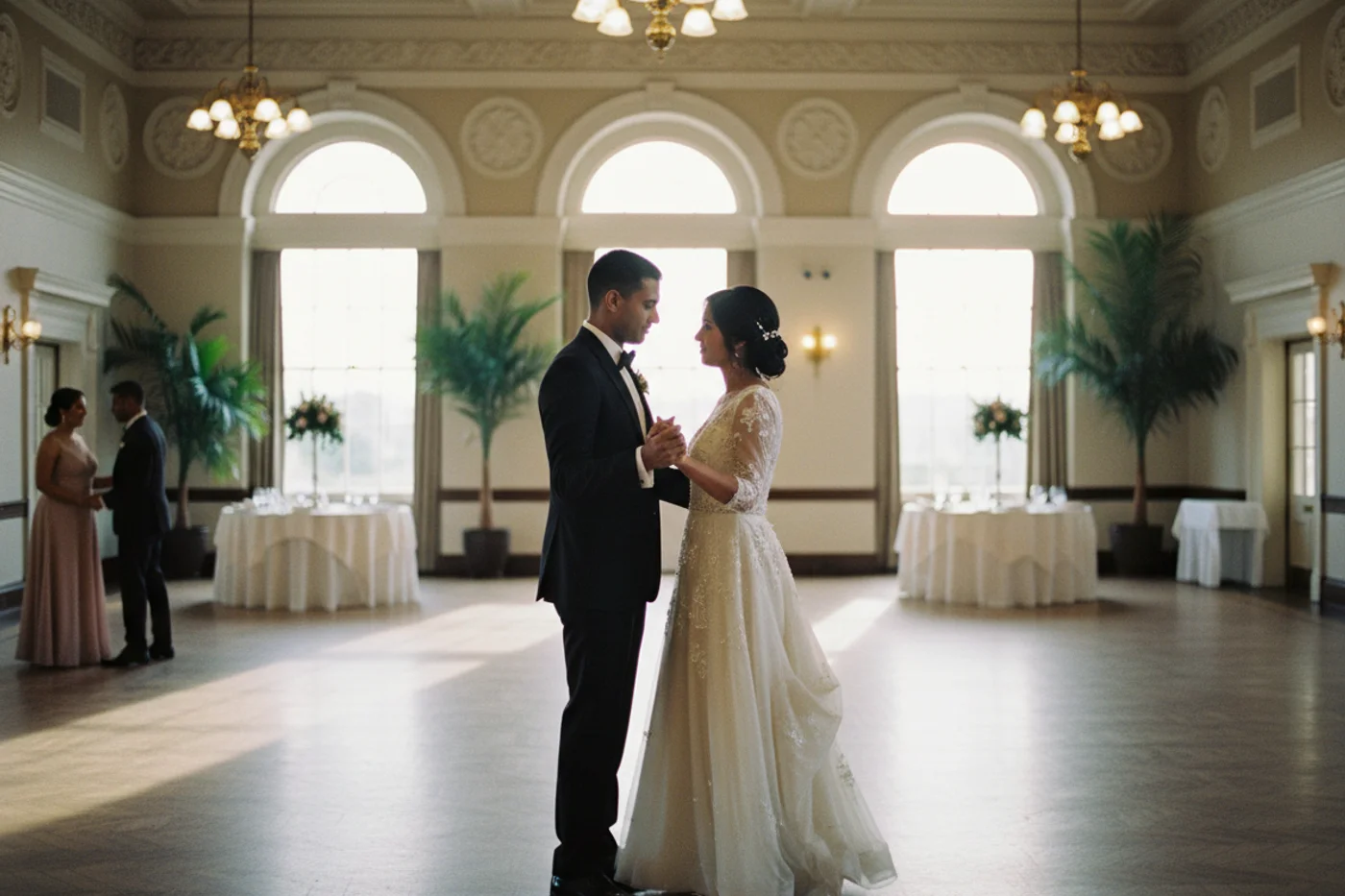
Top Ten Classical First Dance Songs
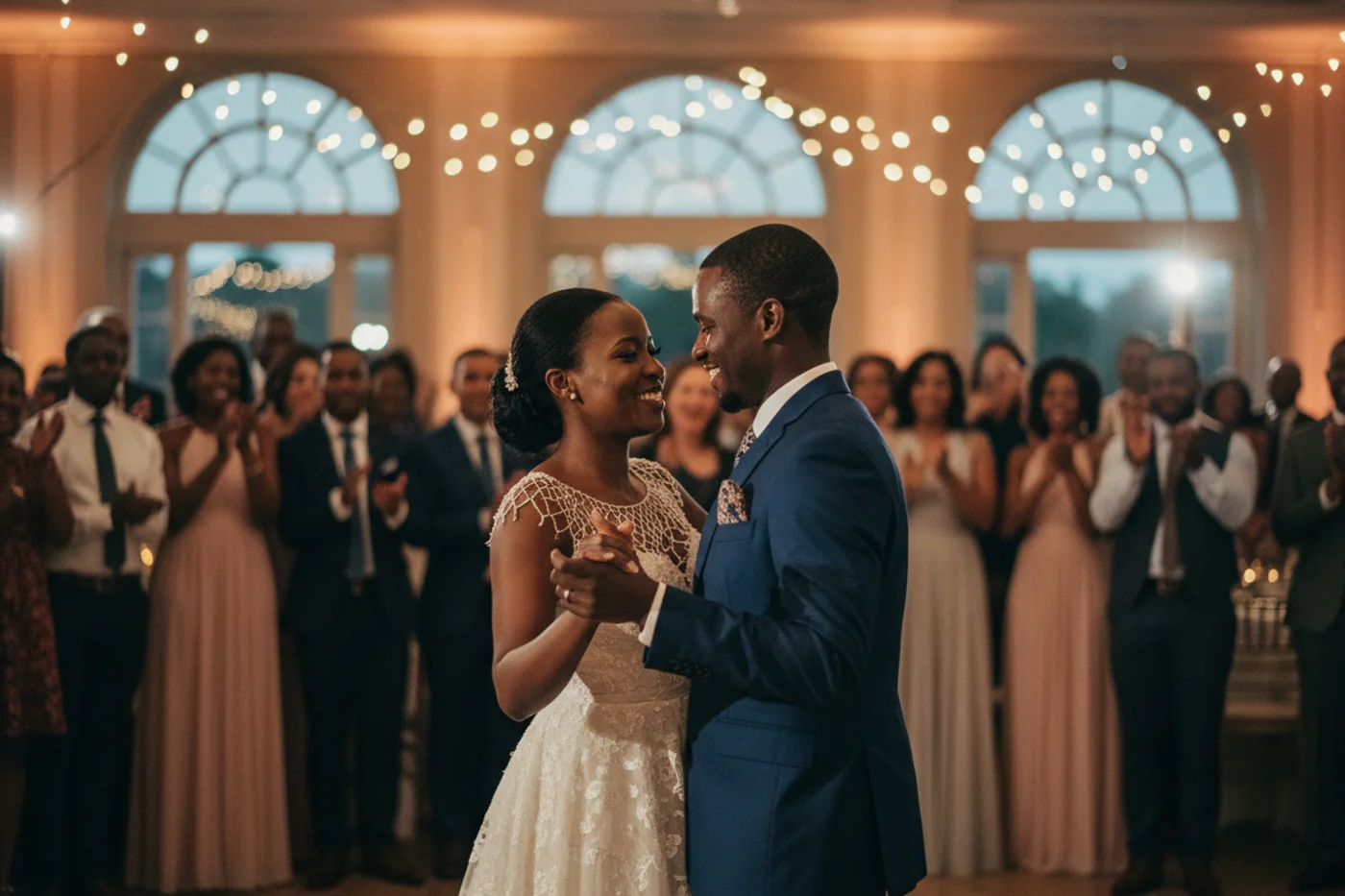
How to Use Music at Your Wedding
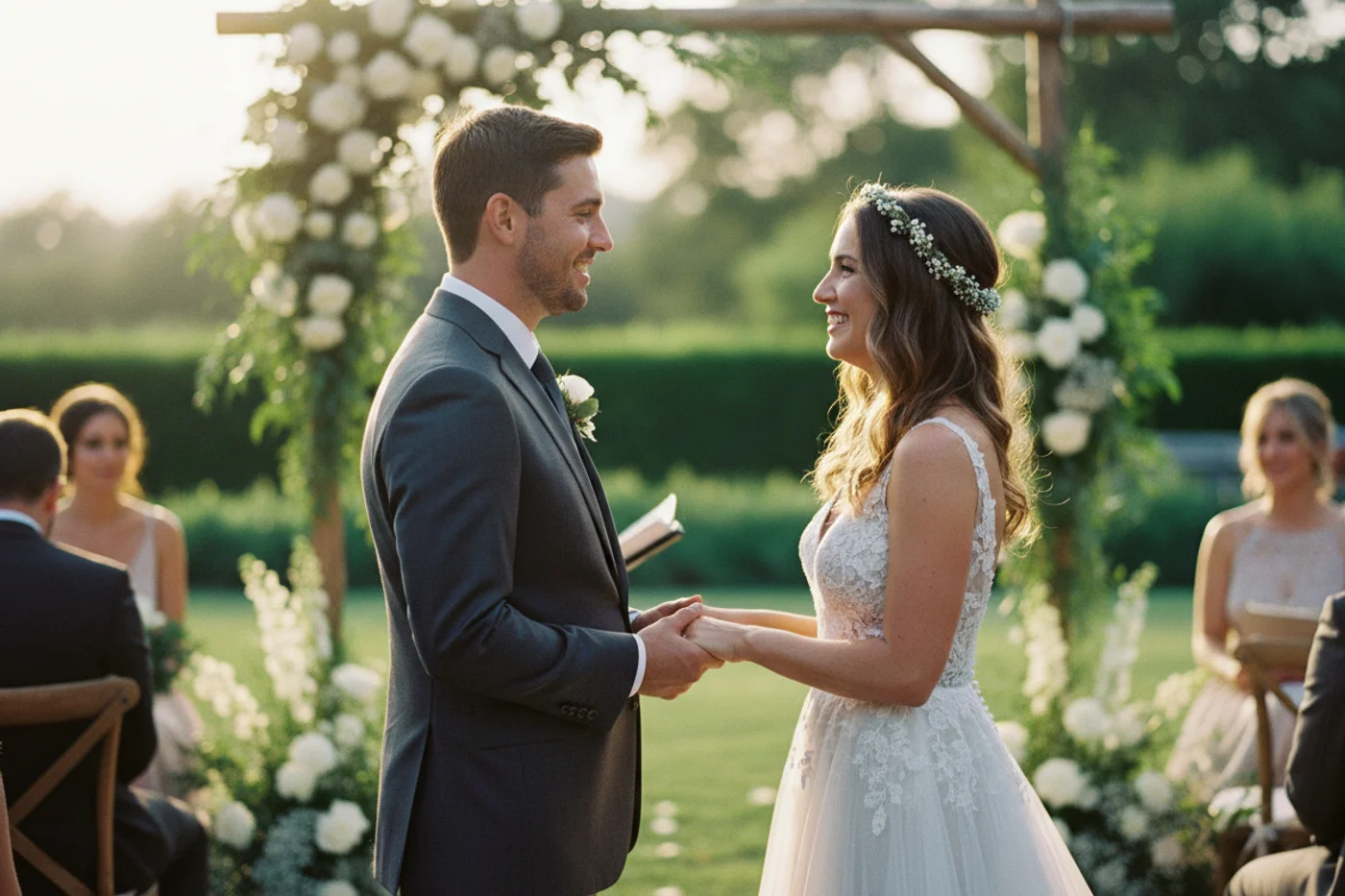
Wedding Vows Examples: For Him, For Her, and Every Kind of Couple

Traditional Wedding Attire in South Africa: Zulu, Xhosa, Tswana, Sotho, Ndebele & Venda
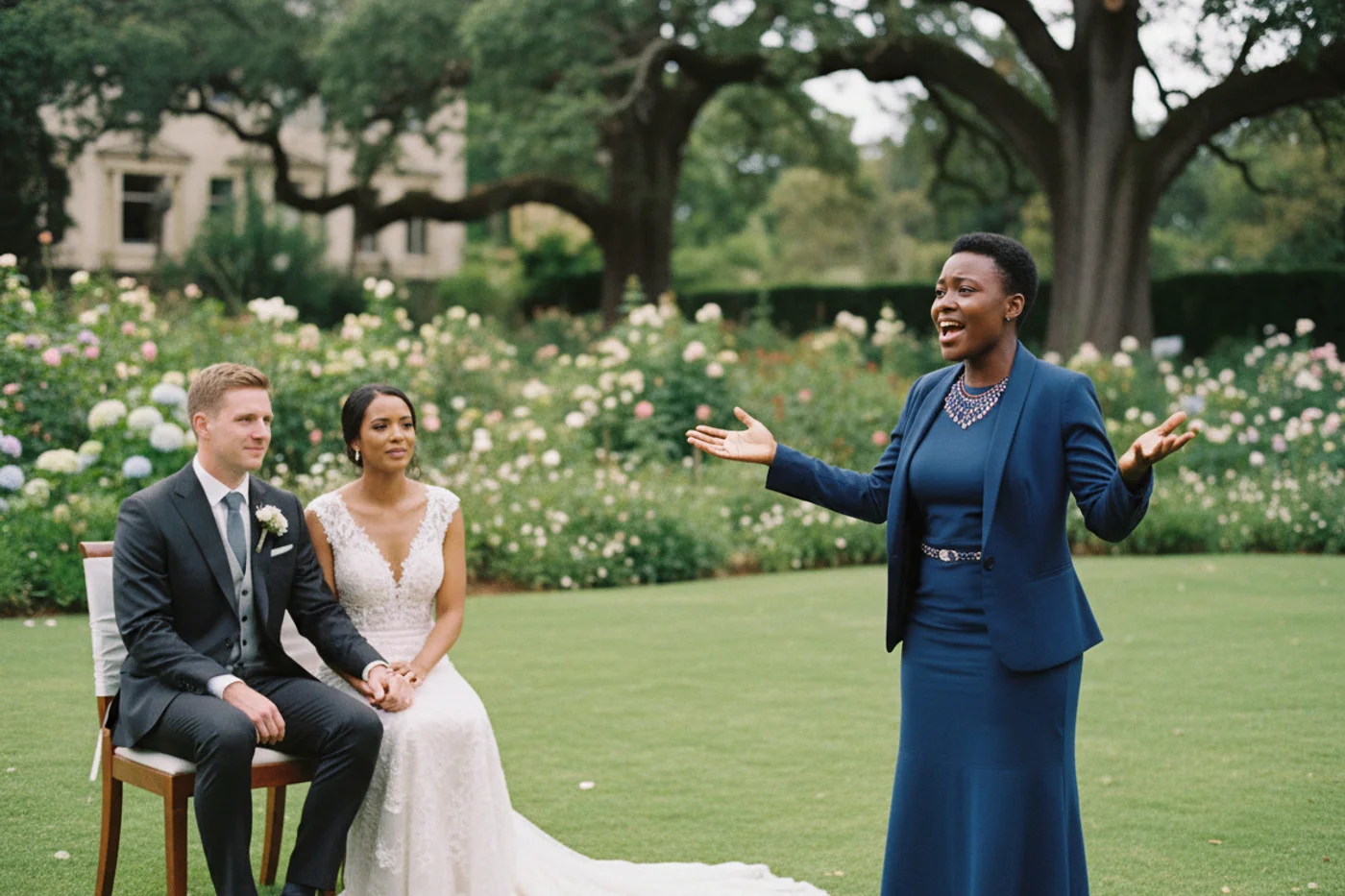
Shakespeare Sonnets for Your Wedding Reading