Music does more emotional work at a wedding than almost any other single element, and it's often planned with far less care than the flowers or the menu. The right song at the right moment can turn a good ceremony into a genuinely moving one, while the wrong choice, or worse, a long, awkward silence where music should have been, can throw off the mood of an entire section of the day. Planning your wedding music properly means thinking through each distinct stage of the day separately, since each one calls for a different mood and, often, a completely different genre.
Break the Day Into Stages
The easiest way to approach wedding music is to divide your day into its natural segments and think about each one on its own terms, rather than trying to solve "wedding music" as a single decision. A useful way to plan this is to open a notebook or shared document and, next to each stage of the day, describe the mood you want, or even build a small mood board of songs and artists that capture the feeling you're after. This makes briefing a DJ, band or musician considerably easier later, since you'll have specific direction rather than a vague sense of "something nice."
Pre-Ceremony
As guests arrive and settle into their seats, background music sets the first tone of the day before anything formal has even begun. Decide whether you want something quiet and conversational, acoustic instrumentals or soft classical pieces that let guests chat comfortably while they wait, or something a little more upbeat that signals excitement and energy from the moment people sit down. Neither choice is wrong, but it's worth being deliberate about it rather than leaving whoever's running sound to default to a generic playlist with no connection to the rest of your day.
The Processional
As your wedding party walks down the aisle, the music you choose shapes exactly how that moment feels to everyone watching. Some couples want quiet confidence and warmth for their wedding party's entrance, others want to build suspense ahead of the bride's own entrance, using a distinctly different piece of music that signals a shift in the room's attention. Think about pacing too. A song with a slow, steady tempo suits a longer aisle or a wedding party that includes several people walking individually, while a shorter piece works better for a compact venue or a smaller bridal party moving quickly through the space.
The Bride's Entrance
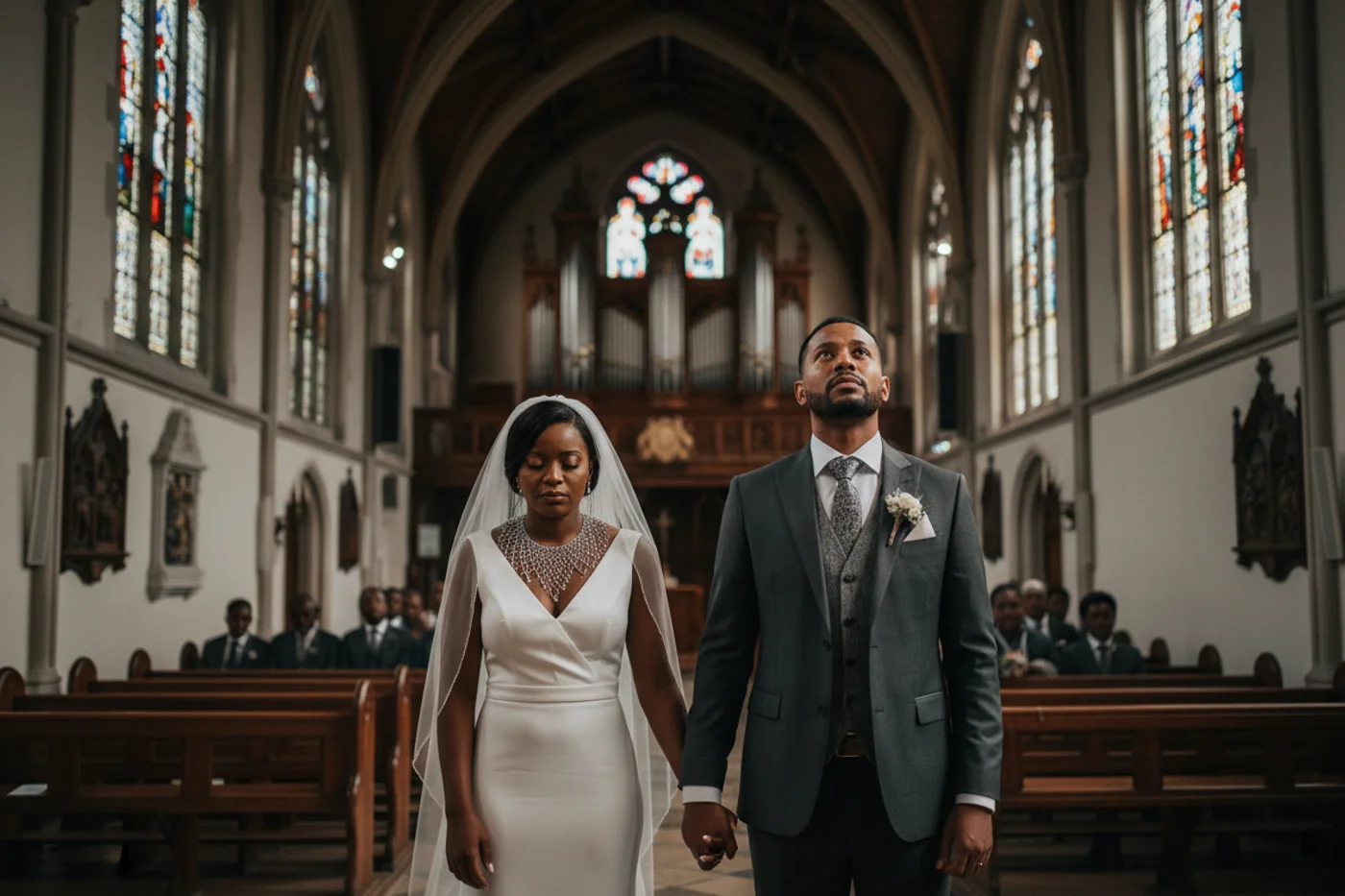
This is usually the single most anticipated musical moment of the entire ceremony, and it deserves a deliberate choice rather than defaulting automatically to the most traditional option available. Decide whether you want a dramatic, full entrance, a traditional processional piece works beautifully here, something that stays completely in keeping with classic wedding tradition, or something more personal and less expected, a song that means something specific to your relationship rather than a generic ceremonial choice. There's no wrong answer here, but it's worth discussing this specific choice together as a couple rather than leaving it entirely to one partner's taste, since it's a moment the whole room will be watching closely.
During the Ceremony
Don't overlook the music that plays during the ceremony itself, beyond just the entrances. For religious ceremonies, this typically includes a selection of hymns chosen with your officiant or religious leader, often ones with personal or family significance. For civil ceremonies, you have considerably more freedom, and any music that holds real meaning for you as a couple is fair game, whether that's a song from your first date, a piece that played at a milestone moment in your relationship, or simply something you both genuinely love regardless of any specific memory attached to it.
The Recessional
As you and your new spouse walk back up the aisle together as a married couple, the recessional music should convey pure celebration, since this is the moment the formal, more solemn part of the day gives way to genuine joy. Upbeat, energetic music works particularly well here, and it's one of the few moments in the ceremony where a louder, more triumphant piece feels entirely appropriate rather than overdone. This is also a natural spot to include a song with real personal meaning if you didn't use one during the more formal entrance moments earlier in the ceremony.
Pre-Reception and Cocktail Hour
While the wedding party is occupied having formal photographs taken, guests need something to keep the mood going during what can otherwise become a fairly dead stretch of time. Decide whether you want this period to stay soft and conversational, allowing guests to mingle and chat easily, or whether you'd rather start building energy ahead of the reception itself with something a bit more upbeat. Live music, an acoustic guitarist or a small jazz combo, works particularly well during this window if your budget allows, since it adds a level of atmosphere that a simple background playlist often can't match.
The First Dance
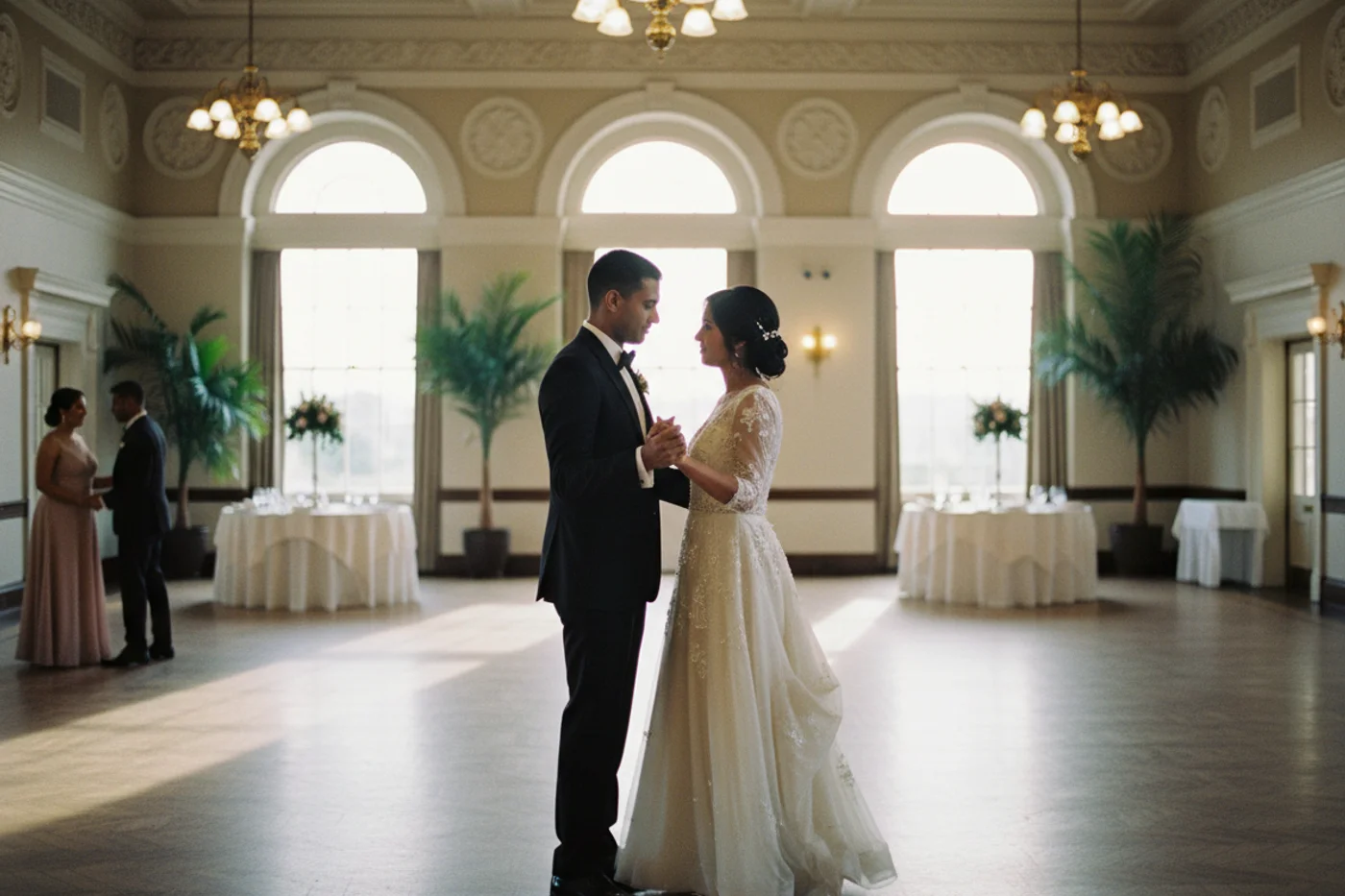
Most receptions open with a first dance, and this song deserves real thought since it's one of the few pieces of music from the entire day that will be replayed on anniversaries for years afterward. Consider whether you want a slow, romantic ballad that emphasises devotion and intimacy, or something a bit more playful and fun if that better reflects your relationship's actual personality. Practising your first dance, even briefly, to your chosen song matters more than people expect, both to ensure it's danceable at a comfortable tempo and to feel less self-conscious with the whole room watching.
The Reception Dance Floor
Once the formalities are behind you, reception music needs to serve a much broader audience than any other part of the day, with guests spanning multiple generations and wildly different musical tastes. A good DJ or band earns their fee here by reading the room and adjusting in real time rather than sticking rigidly to a pre-planned setlist. It's worth giving your DJ or band a "must play" list of songs you know will get people up, alongside a short "do not play" list of anything you'd rather avoid, so there's a clear boundary without needing to micromanage the entire night's music choices yourself.
Working With a DJ Versus a Live Band
Both options have real strengths, and the right choice depends on your venue, budget and the atmosphere you want. A DJ offers more flexibility across genres and eras, and can typically read a room and shift direction faster than a band working through a fixed setlist. A live band brings genuine energy and a sense of occasion that recorded music can't quite replicate, particularly for dancing, but usually comes with a higher cost and a narrower range of songs they can perform well. Some couples split the difference, a band for the first part of the evening and a DJ for later once energy needs to shift quickly between requests.
Practical Planning Tips
Share your full music plan with whoever's running sound on the day, whether that's a DJ, band, venue coordinator or a tech-savvy friend, well before the wedding itself, including specific cues for key moments like entrances and the first dance. Test all audio equipment at your actual venue if possible, since acoustics vary enormously between spaces, and what sounds perfect through a laptop speaker at home can sound completely different in a large marquee or an echoing stone chapel. Have a backup plan for outdoor ceremonies in case of technical issues, a hard copy playlist ready to go, a backup speaker, someone specifically responsible for troubleshooting if something goes wrong right before you're due to walk down the aisle.
Music for Cultural and Religious Ceremonies
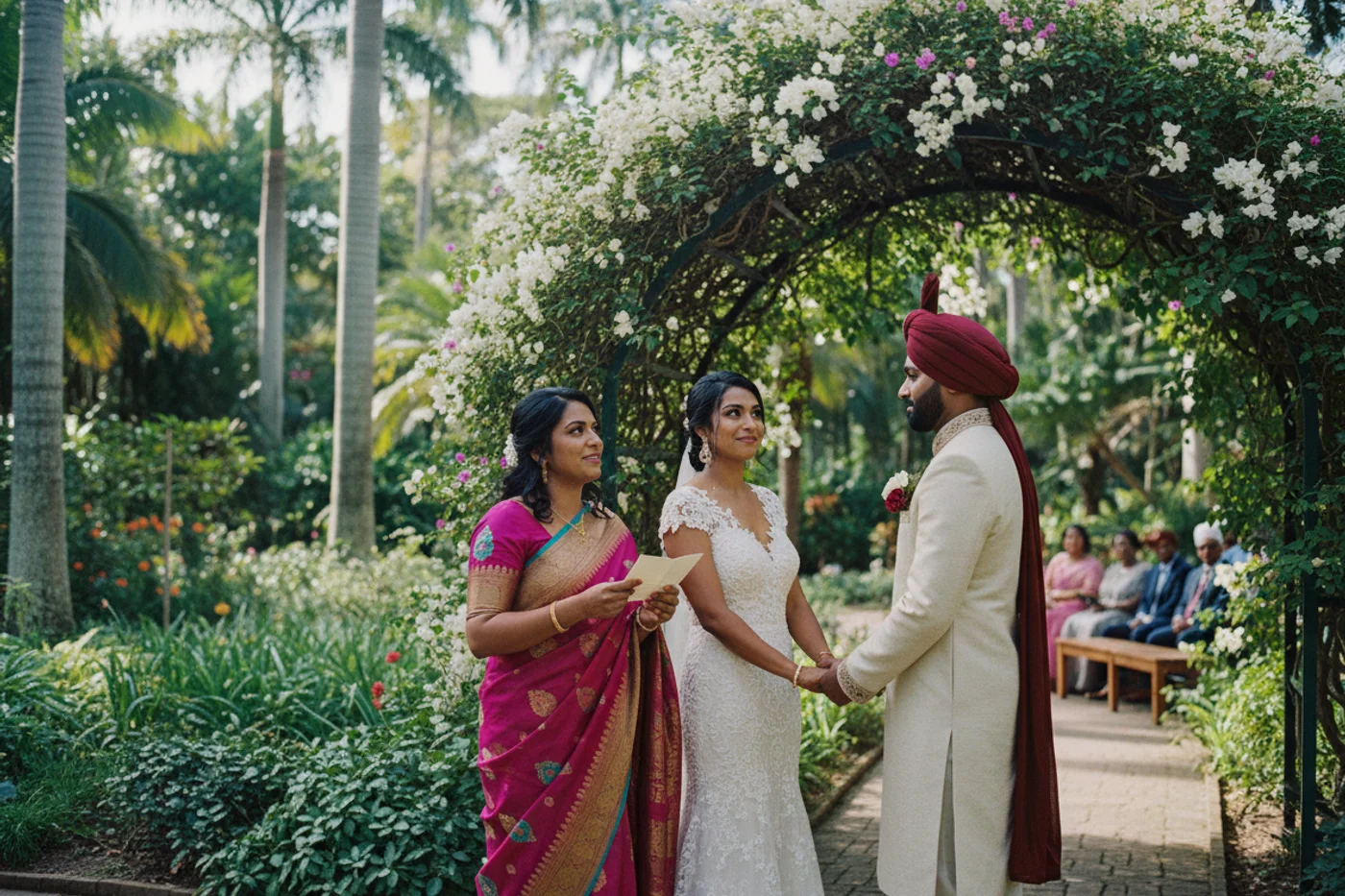
If your ceremony draws on specific cultural or religious traditions, music often plays a more structured role than in a purely civil ceremony, with certain pieces or hymns expected at specific moments rather than left entirely to personal preference. Discuss these expectations early with your officiant, religious leader or family elders, since some traditions call for live musicians or specific instruments, drums, strings, a choir, that need to be booked well in advance and may not be something a standard wedding DJ or band can provide. Blending tradition with personal taste is entirely possible, many couples include one or two personally meaningful songs alongside the more traditional or required pieces, but it's worth having that conversation early rather than assuming your chosen musicians can accommodate everything at short notice.
Budgeting for Wedding Music
Music costs vary enormously depending on whether you're hiring a solo musician, a full band, or simply a DJ with their own equipment, and it's worth getting quotes early since good musicians and DJs, particularly for popular wedding dates, get booked up well in advance. If budget is tight, consider scaling back the hours of live coverage rather than the quality, a live band for the reception's first hour followed by a DJ for the rest of the night is often more affordable than a full band for the entire evening, while still delivering a genuine live-music moment during the part of the day when it matters most.
Getting It Right
Wedding music rewards the same kind of deliberate, stage-by-stage thinking that goes into your other big planning decisions, rather than being treated as background noise to sort out at the last minute. Take the time to think through each part of your day separately, communicate your choices clearly to whoever's handling the sound, and you'll end up with a soundtrack that actually shapes the emotional arc of the day rather than simply filling the silence between the parts everyone was actually there for.