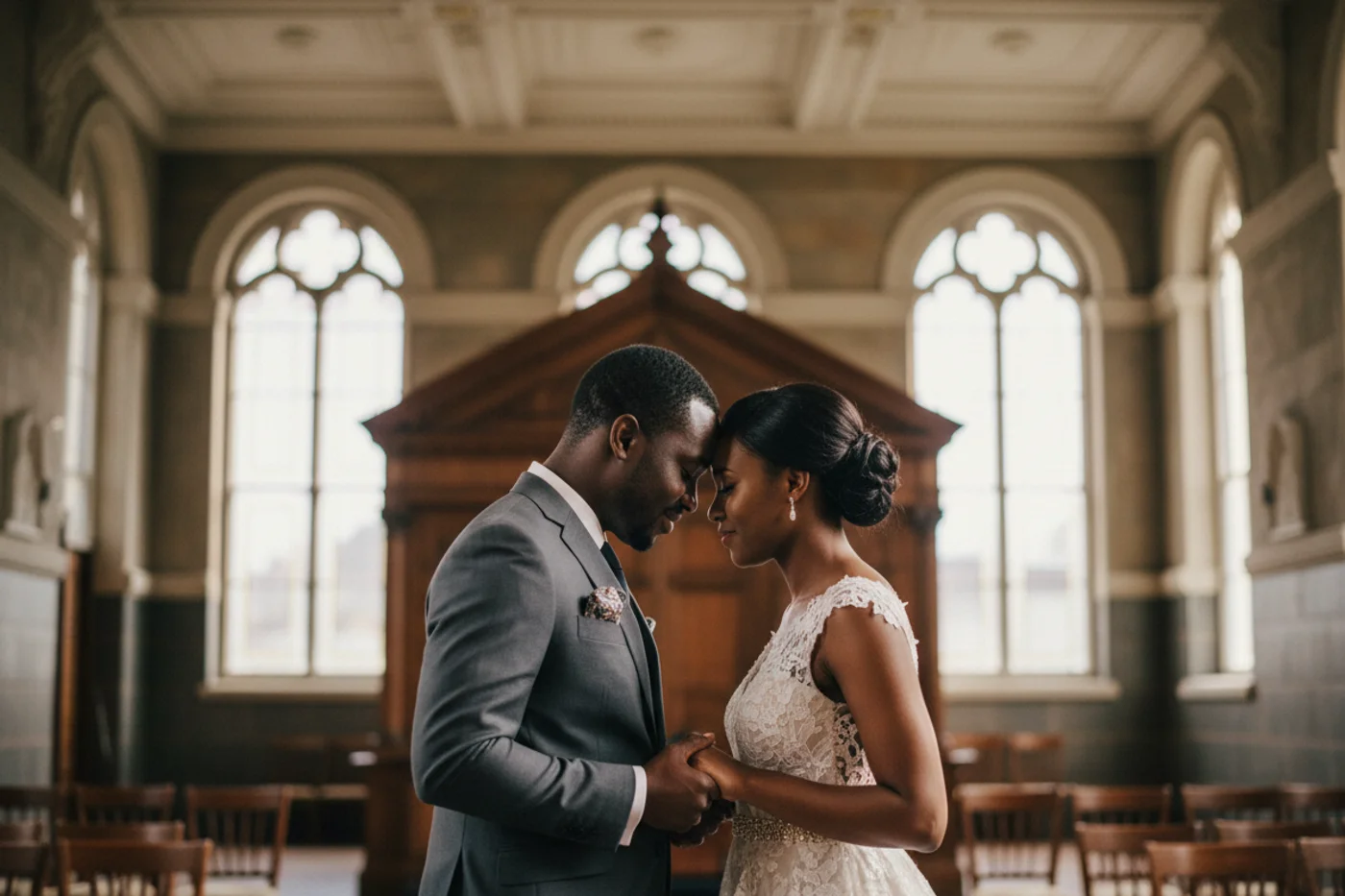
A first dance done right doesn't need a two-hundred-year-old waltz to feel meaningful. Plenty of couples want their first song as a married couple to sound like the relationship they've actually built together, something contemporary, personal, and instantly recognisable to the friends and family watching. The challenge with contemporary music isn't finding good songs, there are thousands, it's narrowing down a genuinely enormous field into something that fits the specific feeling you want for that particular moment.
Rather than hand you a rigid, definitive "top ten" chart, which inevitably ages badly and ignores your own taste, this is a curated set of contemporary song categories worth considering, with reasoning for why each style works, so you can find something that actually fits your relationship rather than borrowing someone else's playlist wholesale.
The Slow-Building Ballad
Songs that start quiet and intimate, then build to a fuller, more emotional final chorus, work beautifully for a first dance because they mirror the emotional arc of the moment itself: a quiet beginning as you step onto the floor together, building into something bigger as more guests' attention turns toward you. Modern R&B and pop ballads frequently follow this structure, and it's worth listening specifically for a song where the final section lifts in a way that gives your dance a natural, satisfying peak rather than staying at one emotional level throughout. This category suits couples who want their first dance to feel like a genuine emotional moment rather than a purely joyful one.
The Acoustic, Stripped-Back Love Song
A song built around a single guitar or piano, with understated production and a vocal that feels conversational rather than performed, suits couples who want their first dance to feel personal and unguarded rather than grand. This style has grown enormously popular over the past decade specifically for weddings, since the simplicity puts the couple, not the production, at the centre of the moment. It also tends to be easier to dance to for couples with no formal dance experience, since the steady, uncomplicated rhythm doesn't demand any technical footwork.
The Genuinely Upbeat, Joyful Choice
Not every couple wants a slow, emotional first dance, and there's a growing trend toward choosing something upbeat and genuinely fun instead, a song that gets the couple (and quickly, the whole room) smiling and moving rather than swaying solemnly. This works particularly well for couples whose relationship has always had a playful, high-energy quality, and it has the practical benefit of transitioning naturally into the rest of the night's dancing without an awkward tonal shift from slow and serious into upbeat party music.
The Song With a Real Story Behind It
The strongest first dance choices, regardless of genre or tempo, are usually the ones tied to a specific, real memory: the song playing during your first date, the one you danced to at a friend's wedding right before you got together, the song that was playing in the car during a pivotal conversation early in your relationship. A song with genuine personal history behind it will always mean more to the two of you than a generically "romantic" chart hit chosen purely because it sounds like a wedding song. If you have a song like this, it's almost always worth prioritising over a more conventional choice, even if it's a little less polished or well-known.
The Cover Version
An increasingly popular approach is choosing a well-loved song reimagined in a completely different style, a stripped-back acoustic cover of a dance track, or a slow, orchestral reinterpretation of a song originally recorded as an upbeat pop hit. This gives couples the emotional recognisability of a familiar song while completely changing its tempo and mood to suit a first dance specifically. It's worth searching specifically for wedding-appropriate covers of songs you love that weren't originally written as ballads, since a surprising number of high-energy pop and rock songs have beautiful slowed-down cover versions built exactly for this purpose.
The Duet
A song written or performed as a duet between two voices carries an obvious symbolic resonance for a first dance as newlyweds, two distinct voices coming together into one song. This style works particularly well for couples who want their song choice to carry a clear, easy-to-articulate meaning that a reception MC or emcee can reference briefly when introducing the dance.
Local South African Artists
Don't overlook South African artists when building your shortlist. A local song, whether in English, Afrikaans, isiZulu, or another home language, adds a layer of personal and cultural meaning that an international chart hit can't replicate, and it often means more to a South African guest list who'll recognise both the song and the significance of choosing it. Local radio stations, streaming platform playlists curated around South African love songs, and wedding DJs experienced with South African weddings are all good starting points for building a shortlist of local options across genres.
How to Actually Narrow Down Your Choice
With so many contemporary options available, narrowing down a shortlist works better with a structured approach than an open-ended search. Start by each of you independently listing five songs that feel meaningful, then compare notes and look for overlap or songs that resonate with both lists even if they weren't identical picks. Consider the venue and format of your dance too: a song under three and a half minutes generally works better than a longer track, since a first dance rarely needs to run the full length of a modern pop song, and most DJs or bands can fade a track gracefully once the meaningful section has played. Finally, listen to your finalists together, out loud, ideally while actually swaying or moving to them in your living room, since a song can sound perfect on paper and feel awkward the moment you try to actually dance to it.
Practical Considerations for the Reception
Once you've chosen a song, share it with your DJ, band, or sound technician well before the wedding, along with any specific edit or fade-out preference. If you're having live musicians perform a cover version rather than playing the original recording, confirm they've had enough time to properly learn and rehearse it, a rushed live cover of a beloved song can undercut the moment far more than a well-produced recorded track would. And if you're worried about remembering choreography or steps, remember that most contemporary first dances are simply a slow sway with a few natural turns, not a rehearsed routine, and that's entirely appropriate for the vast majority of song choices in this category.
Involving Guests Without Losing the Personal Feel
Some couples like the idea of extending their first dance into a moment the wider room can join, either through a "dance floor open" transition partway through where guests are invited to join after the first minute, or through a parent dance immediately following on a second song. Both approaches work well if you want the intimacy of a private first dance without the evening feeling like it stalls entirely on the two of you for an extended stretch. If you go this route, brief your MC or DJ clearly on the timing, so the invitation for guests to join feels like a natural, well-paced moment rather than an abrupt interruption partway through your song.
Building a Playlist Around Your First Dance Choice
Once you've settled on a first dance song, it's worth thinking about how it sets the tone for the reception's wider music. If you've chosen something acoustic and stripped-back, a similarly toned song for the parent dances that often follow keeps the emotional register consistent before the tempo lifts for general dancing. If you've gone upbeat, make sure the handover into your DJ or band's opening set doesn't create an awkward lull immediately afterward. Reception music works best as a build, generally starting gentler during dinner, warming through speeches and parent dances, and lifting properly once the dance floor opens to everyone, and your first dance song is effectively the opening note of that entire arc.
There's No Wrong Answer Here
Unlike more rigid dance styles, contemporary music gives you almost unlimited freedom to choose something that's genuinely, specifically yours. Resist the pressure to pick whatever's currently topping wedding song lists online if it doesn't actually mean anything to the two of you. The first dance songs guests remember fondly for years afterward are rarely the most objectively popular ones, they're the ones where it was obvious, watching the couple, that the song actually meant something real to them.
Give yourselves permission to change your minds more than once during the shortlisting process too. It's common for couples to land on a "final" choice weeks before the wedding, then swap it a week later after hearing it played in the actual reception space during a final vendor meeting. That's a normal part of getting it right, not a sign of indecision.
And if the two of you genuinely cannot agree on a single song, consider a short mashup or medley bridging both your top picks, most wedding bands and DJs are used to building this kind of custom transition, and it can turn a disagreement into a small, meaningful compromise that represents both of you equally rather than one partner's taste winning out entirely.
Top Ten Classical First Dance Songs
Best Wedding Songs for Every Moment: The Complete Playlist Guide
How to Use Music at Your Wedding
Wedding Day Tips: What Actually Helps on the Day Itself
Traditional Xhosa Wedding: Customs, Attire and Ceremonies