Months of planning eventually funnel down into a single day, and no amount of spreadsheets or Pinterest boards fully prepares you for how quickly that day actually moves once it starts. The good news is that most of what makes a wedding day run smoothly has nothing to do with the big, expensive decisions, the venue, the caterer, the band, and everything to do with small, practical habits that cost nothing but attention. Here's a rundown of the tips that genuinely make a difference once the day arrives.
Collect Your Dress Early
Pick up your wedding dress at least a week before the wedding, not the day before, to give yourself real time for any last-minute alterations. Try it on again once you have it home, ideally with the actual undergarments and shoes you'll be wearing on the day, since even small changes in weight, water retention or shoe height can shift how a dress fits and moves. Finding a fit issue with a week to spare gives your seamstress time to fix it properly. Finding it the night before does not.
Wear Your Shoes In
New shoes and a full day of standing, walking and dancing are a genuinely bad combination if you haven't broken them in beforehand. Wear your wedding shoes around the house for short stretches in the weeks leading up to the day, enough to soften the material and identify any rubbing spots before they become blisters on the actual day. If your shoes have smooth leather or synthetic soles, scuff the bottoms lightly on a rough surface beforehand, since brand-new soles can be surprisingly slippery on tiled or polished venue floors.
Pack an Emergency Kit
A small emergency kit, carried by your maid of honour or another trusted bridal party member, solves more small crises than people expect. A basic sewing kit handles the inevitable snagged hem or popped button. Safety pins, a stain removal pen, blister plasters, a small mirror, breath mints, bobby pins, and a phone charger all belong in this kit too. It costs almost nothing to assemble and regularly saves a wedding day from a minor disaster becoming a memorable one for the wrong reasons.
Have Something to Settle Your Nerves
A small ritual to calm pre-ceremony nerves is worth having ready, whatever that looks like for you. Some people find a single celebratory drink helps steady the nerves, though it's worth treating this as exactly one drink and not more, since dehydration and an empty stomach make alcohol hit faster and harder than usual on a day this emotionally charged. Others prefer sparkling water, a few minutes of quiet, or simply a private moment with a parent or close friend before the ceremony begins. Whatever settles you, plan for it deliberately rather than leaving your nerves to sort themselves out in the chaos of getting ready.
Build In Buffer Time
Whatever start time is printed on your invitations or programme, plan for the actual ceremony to begin at least ten minutes later than that, to accommodate the inevitable late arrivals, parking delays or last-minute hair and makeup touch-ups. Let your officiant and wedding party know this buffer exists so nobody's confused or anxious watching the clock. This small cushion takes real pressure off everyone involved and rarely bothers guests, who tend to use those extra minutes chatting and settling into their seats rather than noticing the delay at all.
Feed Your Wedding Party Properly
It's easy to forget to eat on your own wedding day, between hair, makeup, photos and the general adrenaline of the occasion, but low blood sugar combined with high emotion is a genuinely bad combination. Arrange for simple snacks and water to be available throughout the morning for you and your wedding party, finger foods that won't stain a dress or smudge lipstick, and make sure everyone actually eats something substantial before the ceremony rather than running on coffee and nerves alone.
Serve Drinks and Canapés During Photos
The formal photography session after the ceremony often takes longer than couples expect, sometimes well over an hour once family combinations, bridal party shots and couple portraits are all accounted for. Arrange for your guests to be served drinks and canapés during this window rather than leaving them standing around with nothing to do. A well-fed, well-lubricated guest list arrives at the reception in a considerably better mood than one that's spent an hour waiting with nothing but small talk to occupy them.
Assign a Point Person for Vendor Questions
You shouldn't be the one answering questions about where the flowers go or when the band should start playing on your own wedding day. Assign a trusted family member, friend or, ideally, a hired coordinator as the single point of contact for vendors on the day, someone who knows the schedule, has all the relevant phone numbers, and can make quick decisions without needing to interrupt you or your partner. This single decision does more to keep a wedding day running smoothly than almost anything else on this list.
Protect a Few Private Minutes
Somewhere in the middle of a busy reception, plan for a few minutes alone with your new spouse, even if it's just stepping outside together or finding a quiet corner away from the noise. Weddings move fast, and it's easy to reach the end of the night having barely spoken to the person you just married, surrounded the entire time by guests, photographers and the general momentum of the celebration. A short, deliberate pause together grounds the day and gives you both a moment to actually register what just happened.
Delegate the Breakdown
Decide in advance who's responsible for collecting gifts, decor items, personal belongings and any rented equipment at the end of the night, and make sure that person isn't you or your new spouse. The last thing either of you should be doing at midnight is chasing down a borrowed centrepiece or making sure the guest book made it into a car. A designated family member or coordinator handling this detail means you can actually leave the reception when you're ready to, rather than staying later than you wanted to manage logistics.
Expect Something to Go Slightly Wrong
Almost every wedding has at least one small hiccup, a delayed vendor, a misplaced boutonnière, an unexpected weather shift, and the couples who look back on their day most fondly are rarely the ones whose day was flawless. They're the ones who didn't let a small problem derail their mood. Decide before the day that you'll treat minor issues as minor, worth a laugh later rather than a crisis in the moment, and you'll find yourself far more present for the parts of the day that actually matter.
Trust the People You've Hired and Chosen
By the time your wedding day arrives, you've already made every major decision, chosen your vendors, built your timeline, briefed your wedding party. The day itself isn't the time to second-guess those choices or micromanage details you've already handed off to capable people. Trust your photographer to find the shots, your coordinator to manage the schedule, and your wedding party to handle the small logistics you've delegated to them. Letting go of control on the day itself, after months of holding onto it during planning, is often the single hardest and most valuable adjustment a couple makes.
Give Your Phone to Someone Else
It's tempting to keep your phone close all day for photos, messages of congratulations and last-minute vendor calls, but constantly checking it pulls your attention away from a day that will genuinely never happen again. Hand your phone to a trusted bridesmaid, best man or coordinator once you're dressed and ready, and let them field anything urgent so you're not tempted to glance at notifications between the ceremony and the first dance. Most guests will understand, and the handful of photos you might miss posting in real time are far less valuable than the ones you'll actually remember taking in.
Plan a Realistic Getting-Ready Timeline
Hair, makeup and getting dressed almost always take longer than anyone initially estimates, especially with a full bridal party involved rather than just the bride. Ask your hair and makeup artists directly how long they realistically need per person, then add a genuine buffer on top of their estimate rather than assuming everything will run exactly to plan. Starting the morning earlier than feels necessary is almost always the right call. A relaxed, unhurried morning sets the tone for the rest of the day far better than a frantic dash to the ceremony with minutes to spare.
Getting It Right
None of these tips require extra budget or complicated planning. They're small, practical habits that add up to a day that feels considerably smoother than it otherwise would, giving you more room to actually enjoy the thing you've spent months preparing for. The details guests remember rarely include whether everything ran exactly on schedule. What they remember is how present and happy you both looked, which is a lot easier to manage once the small logistical stress has been handled by someone other than you.
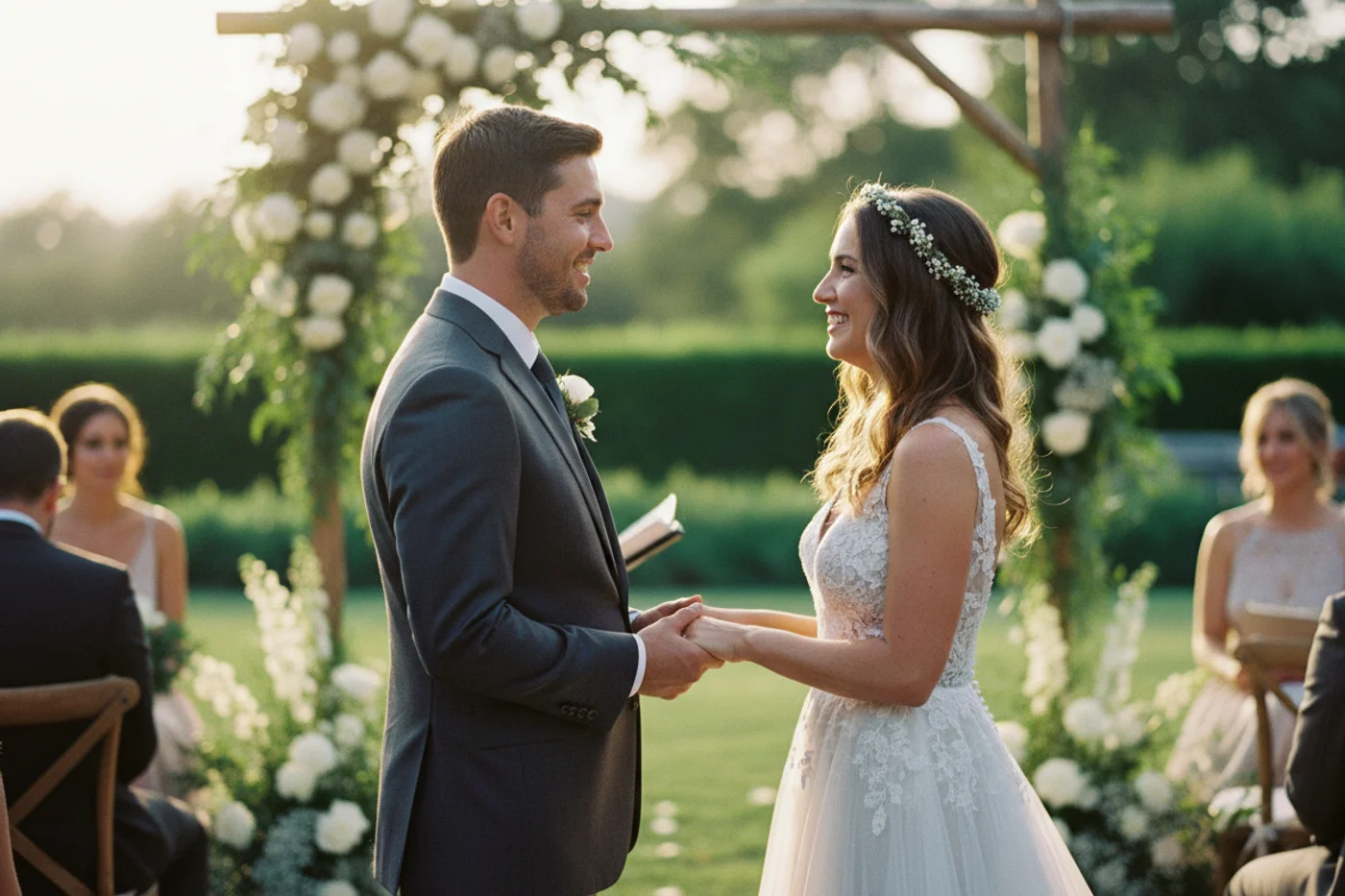
Wedding Vows Examples: For Him, For Her, and Every Kind of Couple
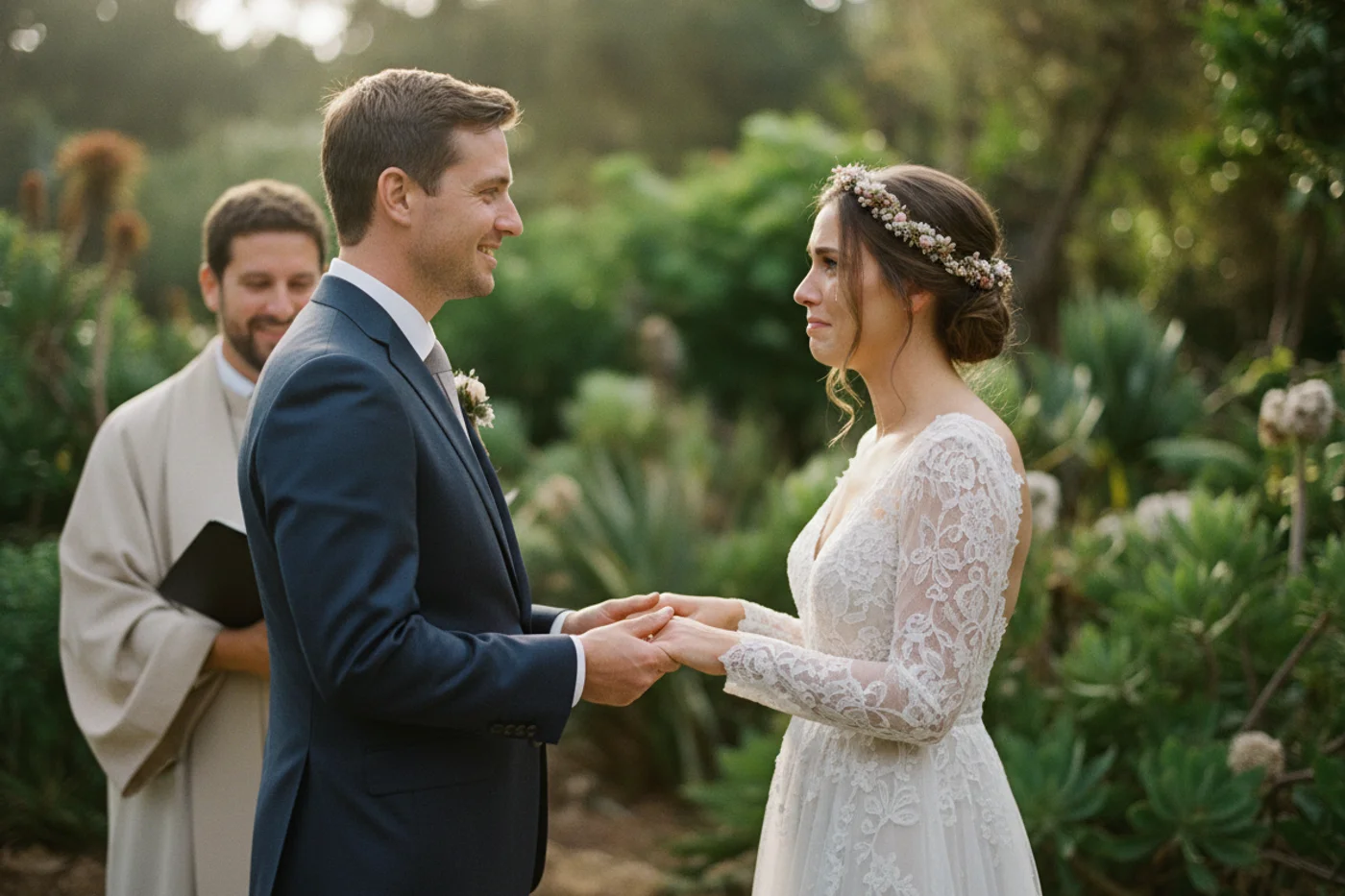
Wedding Vows: The Complete Guide (Legal Wording, Writing Your Own & Real Examples)

Traditional & Religious Wedding Vows: Full Wording by Faith and Tradition
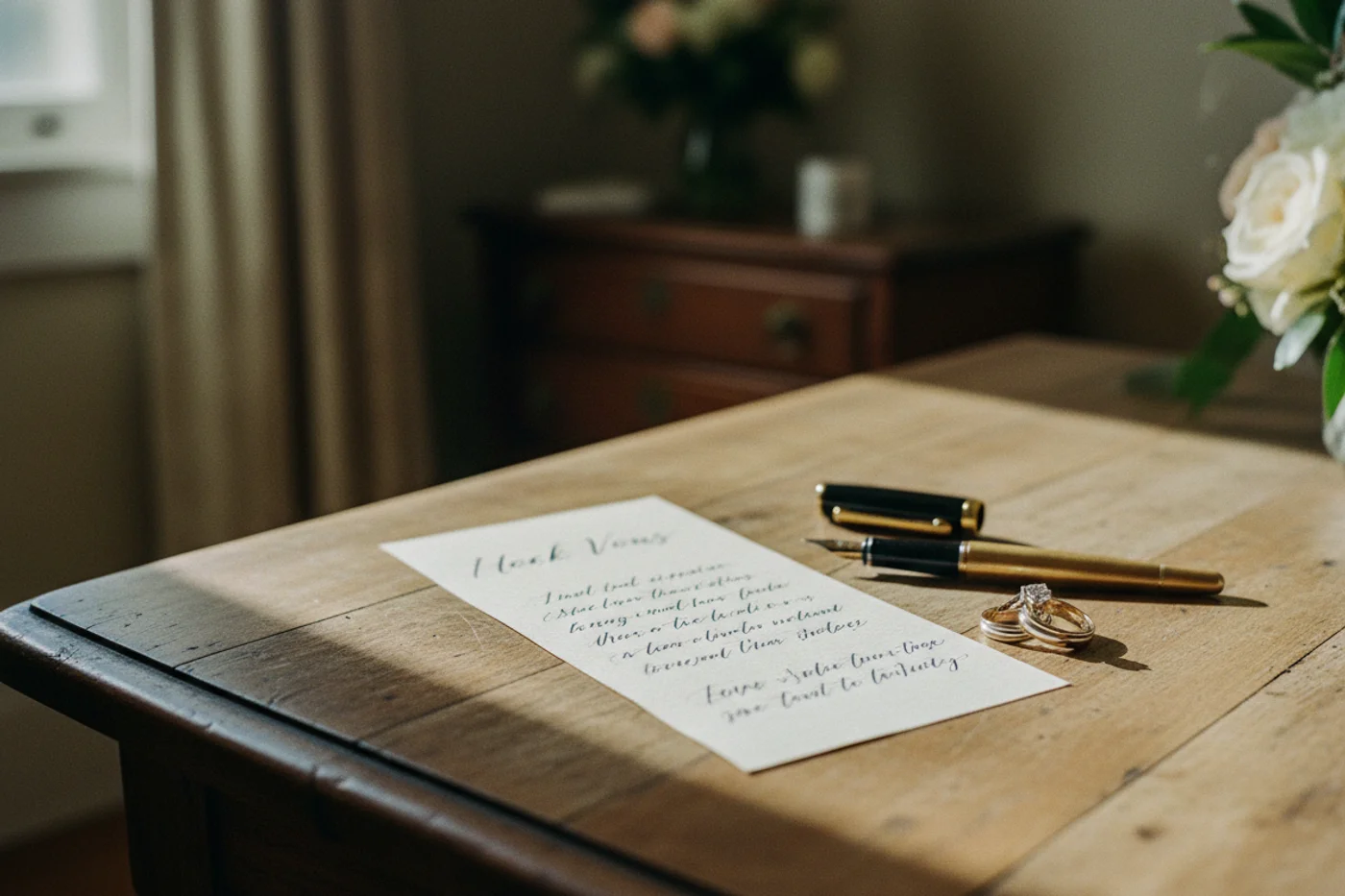
How to Write Your Own Wedding Vows (A Simple, Step-by-Step Formula)

Traditional Wedding Attire in South Africa: Zulu, Xhosa, Tswana, Sotho, Ndebele & Venda
