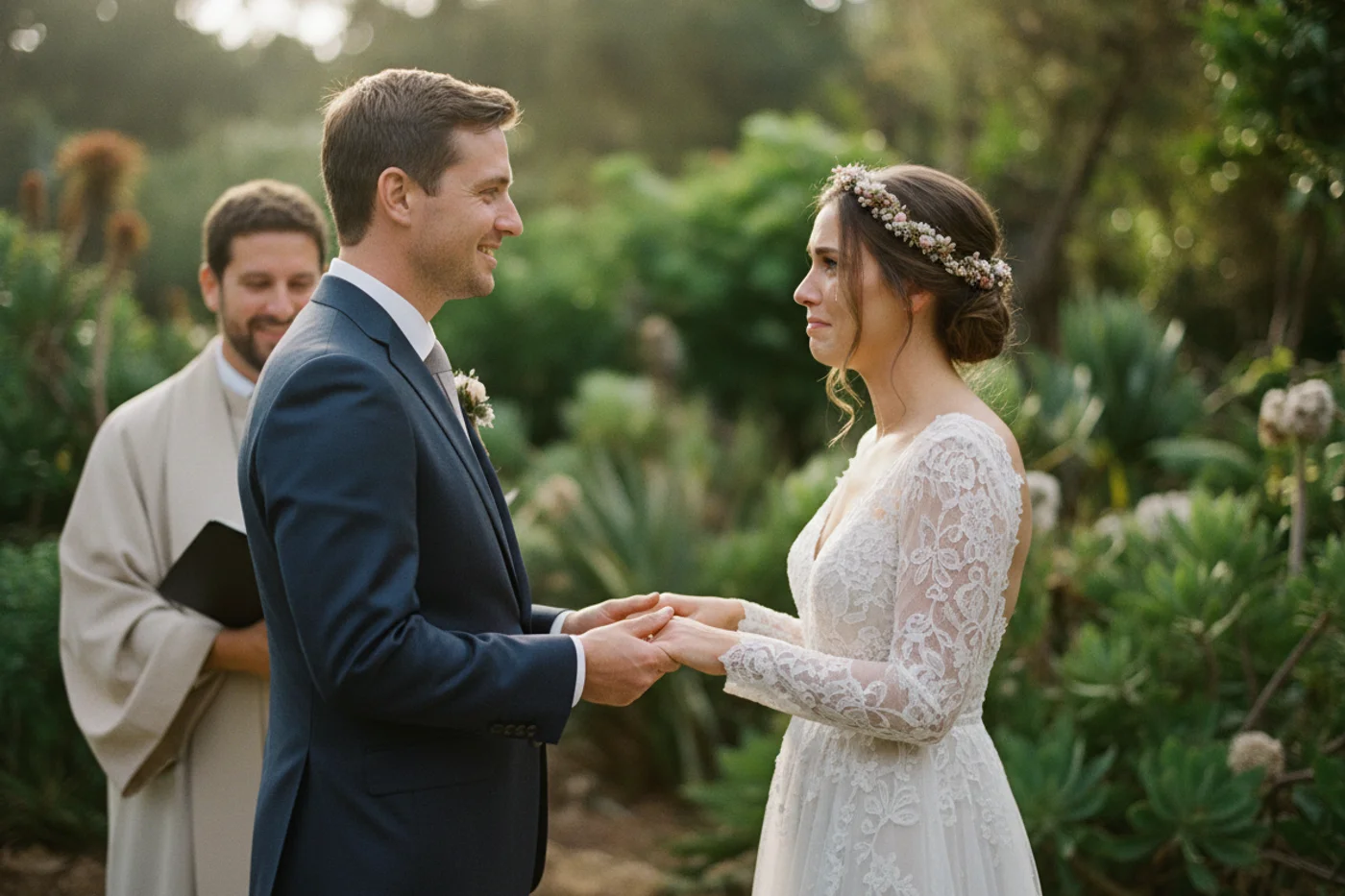
South African summer remains the most popular season for weddings, but it's worth asking why more couples don't marry in spring, when gardens are at their absolute best and the weather is kind without the peak-season heat. Spring carries its own symbolism too: fresh starts, new growth, sunny optimism, which is more or less exactly what a wedding is meant to represent. One of the most elegant ways to celebrate a spring wedding is to host a proper garden party.
What Exactly Is a Garden Party Wedding?
A garden party is precisely what it sounds like: a social gathering held outdoors, in a beautiful garden, estate lawn or botanical setting. Grand, formal garden parties were genuinely fashionable in the Victorian era, especially across England, and the format never really lost its upmarket, slightly ceremonial air. Heads of state and prominent public figures still host formal garden parties today, and the format translates beautifully to a wedding: elegant enough to feel like a real occasion, relaxed enough that guests can actually enjoy being outside.
Formal or Casual?
Garden parties sit in a comfortable middle ground. They're smarter than a picnic or a backyard braai, but they can absolutely carry a casual edge if you want one: guests kicking off their shoes, rolling up trousers, or feeling grass under bare feet is entirely in keeping with the spirit of the occasion. The trick is choosing where on that spectrum your specific wedding sits, and communicating it clearly through your invitations and dress code, so guests aren't left guessing between cocktail attire and sundresses.
Timing It Right
Traditionally, garden parties run from around four in the afternoon until early evening, which works particularly well for a wedding reception. It gives you strong natural light for photographs earlier in the afternoon, plenty of time for guests to circulate and settle in, and a natural, atmospheric shift into candlelight and string lights as the sun goes down. In South Africa, this timing suits spring and early summer especially well, since daylight lasts long enough to enjoy the garden properly before the evening cools down.
How Many Guests?
Garden parties work at almost any scale, from an intimate gathering of 30 close family and friends to a grander affair of a few hundred, depending on the size of your venue. That said, the format particularly shines with a more moderate guest list, since a garden party relies on people circulating, chatting in small clusters, and moving between different seating areas rather than being locked into one long formal seating plan. If you're drawn to a more intimate wedding, this is one of the styles that suits a smaller number beautifully rather than feeling underpopulated.
What Should the Bride Wear?
This isn't necessarily the occasion for a full, dramatic gown with metres of train and a cathedral veil, though there's no rule against it if that's genuinely what you want. Many brides choose a simpler, vintage-inspired silhouette with a shorter veil, or a pretty tea-length dress paired with a delicate fascinator instead of a full veil, an elegant, uncomplicated choice suited to an afternoon outdoors on grass. Whatever you choose, think practically about how it will handle a lawn, particularly if there's been recent rain; a shorter hem or a dress with a detachable overskirt gives you more freedom to actually enjoy the garden rather than worrying about a trailing hem the entire afternoon.
Afternoon dress is generally the right note for bridesmaids and female guests, often finished with sunhats or fascinators for a proper garden party feel.
And the Groom?
Morning dress or a well-cut lounge suit both suit a garden party wedding. Morning dress leans more formal and traditional; a lounge suit can be dressed up or down depending on how casual the rest of the day is, and works well for a more relaxed afternoon affair.
Decor That Lets the Garden Do the Work
The single most important thing to understand about garden party decor is that the garden itself is your backdrop, and your job is to complement it, not compete with it. Choose a venue with real natural beauty already built in, a wine estate, a country manor, botanical gardens, or a private property with established landscaping, so you're not trying to manufacture atmosphere from scratch.
To provide shade or shelter in case of unpredictable weather, a marquee or Bedouin-style tent is worth the investment even if you're hoping not to need it. Because garden parties encourage guests to circulate rather than sit at one formal table all evening, offer a variety of seating: a mix of tables, benches, sofas, cane chairs, floor cushions and picnic blankets scattered across the venue works far better than uniform banquet seating. Keep blankets on hand in case the evening turns cool.
Inside any tented area, chandeliers or hanging lanterns add a lovely finishing touch. Keep table decor relatively simple: loose, natural bunches in glass vases or fresh garlands, in a crisp, soft colour palette of muted pastels, tend to suit the setting better than heavily structured, formal arrangements.
Food That Fits the Mood
Keep the menu light and a little nostalgic. Canapés, cucumber sandwiches, savoury tarts, scones with jam, strawberries and cream, and other dainty finger foods all suit the garden party format beautifully and are easy for guests to enjoy while standing and circulating. If you'd rather serve something more substantial, a well-executed, elevated barbecue, distinct from a standard South African braai, can work nicely as a more casual alternative, provided the rest of the styling stays in keeping with the elegant, garden party tone.
What to Serve to Drink
Self-service stations work particularly well for a garden party: think chilled sangria or fruit punch decanted from large jugs, alongside properly chilled sparkling wine or champagne and a signature cocktail if you'd like one. For guests who prefer something non-alcoholic, offer tea and coffee, along with a refreshing homemade lemonade or ginger beer, both of which suit the afternoon setting far better than a standard soft drink table.
Entertainment and Atmosphere
Play soft background music to lend some atmosphere, but resist the urge to drown out the natural soundtrack a garden already provides: birds, laughter, and the clink of glasses. Classic garden party pastimes like croquet, badminton or lawn games give guests something relaxed to do between conversations, and suit the unhurried pace of the format. If you'd like dancing later in the evening, plan to extend the occasion past sunset: string fairy lights through trees, and scatter hurricane lamps and floating candles around the venue to light the way as your elegant garden party gently transitions into a romantic, moonlit evening.
Choosing the Right Garden Venue
Not every beautiful garden makes a practical wedding venue, so look past the photographs and ask a few grounded questions before you book. Is there level, even ground for guests in heels, and enough shade for an afternoon in direct sun? Is there a realistic power supply for a band, DJ or string lighting, and does the venue have backup power in case of load shedding? Where would catering actually be prepared and served from, and is there a clear plan for what happens to soft furnishings and florals if rain arrives without warning? A venue coordinator who can answer these questions confidently, rather than vaguely reassuring you it will be fine, is worth far more than one with the prettiest lawn alone.
Making It Feel Personal
Because a garden party wedding leans on natural beauty rather than heavy staging, small personal touches tend to stand out more than they would at a heavily decorated indoor reception. A handwritten welcome sign, a table of framed family photographs, a signature drink named after an in-joke between the two of you, or a playlist built from songs that actually mean something to your relationship all read as more considered against a simple, natural backdrop than they would competing with elaborate florals and drapery. Lean into that simplicity rather than fighting it with extra decor the garden doesn't need.
Planning Around the Weather
South African spring and early summer afternoons, especially inland, can turn from clear skies to a sudden thunderstorm with very little warning. Always have a proper contingency plan, not just a hopeful glance at the forecast: a marquee or covered veranda large enough for your full guest list, a plan for moving furniture and decor under cover quickly if needed, and staff briefed on exactly what to do if the weather turns. A garden party wedding handled calmly through a sudden shower often becomes one of the most fondly remembered parts of the day; one handled in a scramble becomes a stressful memory that was entirely avoidable with the right preparation.
Ultimately, a garden party wedding rewards couples willing to trust a beautiful natural setting rather than over-engineering it. Choose the venue carefully, plan sensibly for the season, and then let the garden itself carry most of the visual weight. It's one of the few wedding styles where doing slightly less, decor-wise, almost always photographs and feels better than doing more.

All You Need to Know About Wedding Favours
Short Wedding Readings for Ceremonies and Programs

Umembeso: The Zulu Gift-Giving Ceremony Explained

The Modern Marriage Officer

Romantic Poems Part VII