The role of the marriage officer, also known as a wedding officiant, has changed dramatically over the last decade or two, and most couples don't realise quite how much choice they now have until they start looking into it.
Five hundred years ago, a village of a few hundred people had one church and one minister, who christened you, married you and eventually buried you. He knew your family and its full history. Even a generation or two ago, most people knew a minister personally, and though regular church attendance might have already been fading, he was still there to marry you when the time came.
A modern, far more diverse South Africa has changed all of that. As with every other part of the wedding industry, the operating word today is choice. You already have enormous choice in venue, theme, flowers and photographers. So why not the ceremony itself, and the person who leads it?
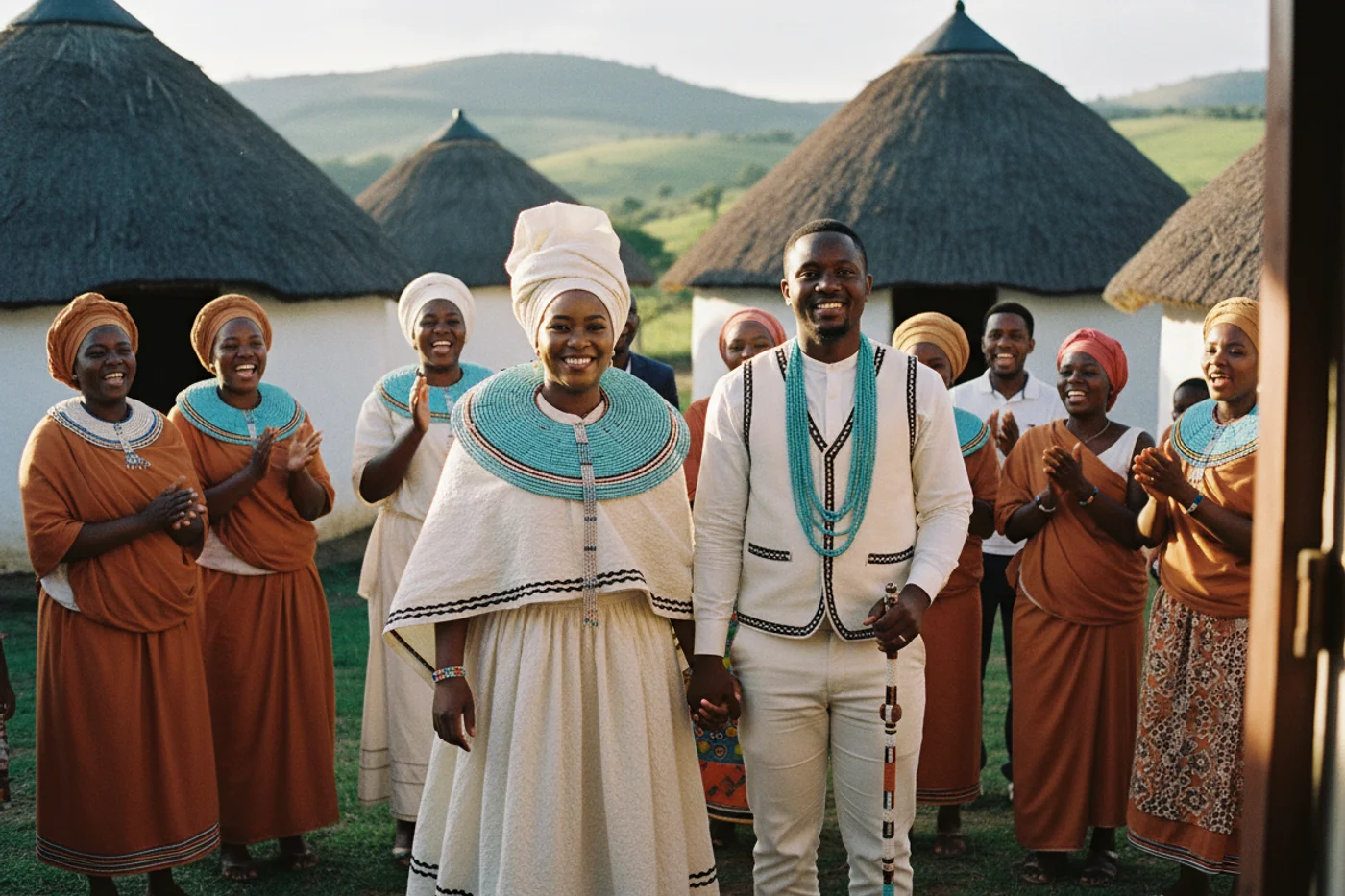
One of the genuine strengths of a diverse, democratic society is that people meet, fall in love and marry across lines that used to be far more rigid. Greek South Africans marry Romanian partners, Jewish couples marry Catholic ones, Zulu and Xhosa families become one through marriage, and Indian and English heritage couples build entirely new blended traditions. All of this raises a real, practical question: who actually leads your ceremony, and how well do they understand what you want from it?

That's the role of the modern marriage officer. They're performing one of the most intimate functions imaginable, often for two people they barely know. A good marriage officer facilitates that moment without being patronising or disinterested, offering guidance where it's wanted and direction where it's needed, while never losing sight of the fact that you are the ones calling the shots on your own ceremony.
Many couples don't realise, going in, that they have any real choice in how their ceremony is run. But like every other part of the wedding, you should choose the option that actually suits your style and beliefs, rather than defaulting to whatever feels most traditional.
Types of Marriage Officers in South Africa
In South Africa, there are two broad categories of marriage officer:
- Civil marriage officers — Employed by the Department of Home Affairs and authorised to conduct civil marriages at Home Affairs offices. If you've had a courthouse-style wedding, a civil marriage officer conducted it.
- Designated marriage officers — Individuals, including ministers of religion, magistrates, and professional wedding officiants or celebrants, who have been formally designated to solemnise marriages. Most private wedding officiants fall into this category.
A minister of religion can conduct a legally recognised marriage if their religious organisation is registered under the Marriage Act. A magistrate can also be appointed as a marriage officer for a specific ceremony. There is also a separate legal framework for customary marriages, recognised under the Recognition of Customary Marriages Act, and for civil unions, recognised under the Civil Union Act, which allows both same-sex and opposite-sex couples to register their partnership either as a marriage or a civil union. If your ceremony involves customary or cultural rites specific to your family's traditions, it's worth discussing with your officer early on how those elements will sit alongside the legal requirements.
Why Hire a Private Marriage Officer?
Many couples today choose to work with a private, designated marriage officer, a professional celebrant or ordained minister who specialises in weddings rather than general religious duties. The advantages are significant:
- A personalised ceremony. You write your own vows, choose your own readings, and build a ceremony that genuinely reflects you as a couple, not a one-size-fits-all script.
- Flexibility on venue. Whether you're getting married on a wine farm, a beach, in a garden, or in a ballroom, a private marriage officer can conduct the ceremony almost anywhere in South Africa.
- No religious requirement. A secular or humanist ceremony can be just as meaningful and beautiful as a religious one.
- Professional experience. A seasoned marriage officer has officiated dozens or hundreds of weddings and knows how to hold the moment calmly, even when nerves are running high or something unexpected happens.
- Blended and interfaith ceremonies. Many private officers specialise specifically in combining two cultural or religious traditions into one coherent ceremony, which a single-denomination religious officer may not be equipped, or willing, to do.
How to Find a Marriage Officer
Start by browsing The Wedding Directory's marriage officer listings, a curated directory of approved marriage officers across South Africa, from Cape Town and Johannesburg to the Garden Route and KwaZulu-Natal. When reaching out to potential candidates:
- Ask to see their registration or designation documentation
- Ask how many weddings they officiate per year
- Request sample ceremony scripts or video of past ceremonies
- Read reviews or ask for references from recent couples
- Ask specifically how they handle blended, interfaith or cross-cultural ceremonies if that applies to you
Questions to Ask Before You Book
- Are you registered under the Marriage Act? Can I see proof?
- How many weddings do you officiate per year?
- What's your ceremony style, formal, relaxed, humorous, spiritual?
- Do you help us write our vows, or do we write them ourselves?
- What happens to the legal paperwork after the ceremony, and how long does registration typically take?
- Do you have a backup plan if you're ill on the day?
- Do you attend the rehearsal?
- What's your fee, and what does it include?
- Have you conducted ceremonies blending our specific cultural or religious backgrounds before?
What to Expect on the Day
A professional marriage officer will arrive well ahead of time, liaise with your MC and wedding coordinator, and ensure the ceremony runs to schedule. They'll guide you through the legal requirements, the exchange of vows, the signing of the register, the declaration, as well as holding space for your personal elements: your own words, readings, ring rituals, or unity ceremonies.
After the ceremony, they are responsible for submitting the required documentation to the Department of Home Affairs to officially register your marriage. Ask them directly how long this process usually takes and how you'll be notified once it's complete, since this varies and it's the kind of detail that's easy to forget to ask about amid everything else happening on the day.
Building the Ceremony Together
The best marriage officers treat the initial consultation as a genuine conversation, not a form to fill in. Expect to be asked how you met, what your relationship has looked like, what values matter to you both, and what tone you want the ceremony to strike. Bring any specific rituals you'd like included, whether that's a unity candle, a sand ceremony blending two families, a reading in a language particular to your heritage, or an acknowledgement of family members who've passed away. A good officer will help you weave these into a ceremony that flows naturally rather than feeling like a checklist of add-ons bolted onto a generic script.
Civil Ceremony, Religious Ceremony, or Both?
Some couples handle the legal side quietly at Home Affairs beforehand or immediately after, then treat their main ceremony purely as the emotional and cultural event, with a designated officer or minister leading a ceremony that doesn't need to double as the legal registration. Others prefer everything to happen at once, one ceremony, one officer, one moment that's both legally and personally binding. Neither approach is more "real" than the other; both result in a legally married couple. The right choice usually comes down to logistics (Home Affairs offices can involve queues and limited appointment slots) and how important it is to you that the vows you exchange in front of your guests are the actual legal moment, rather than a formality handled separately.
What Does a Marriage Officer Cost in South Africa?
Fees vary depending on the marriage officer's experience, location, and what's included in the package. As a general guide, professional marriage officers in South Africa typically charge between R2,500 and R8,000, with more experienced or in-demand officiants at the higher end. This usually covers a consultation, ceremony preparation, the ceremony itself, and handling of the marriage registration paperwork. Always confirm what's included and ask whether travel is charged separately if your venue is outside their usual area.
A Role Worth Taking Seriously
It's easy to spend months agonising over a venue or a dress and only think properly about the marriage officer a few weeks before the wedding, almost as an afterthought once everything else is booked. Given that this is the person whose words you'll actually remember from the day, whose voice sets the tone for the most emotionally significant few minutes of the entire event, it's worth giving the decision the same care you'd give any other major vendor. Meet more than one candidate if you can, ask to hear how they open a ceremony, and trust your instinct about who feels right standing between you as you make this legally and personally binding.
The couples who end up happiest with their choice are usually the ones who treated the first meeting like an interview rather than a booking confirmation. Ask direct questions, listen for how the officer talks about other couples they've married, and notice whether they seem genuinely curious about your story or are reciting the same pitch they give everyone. That difference tends to show up again, unmistakably, on the day itself.
Romantic Poems Part VII
Wedding Vows: The Complete Guide (Legal Wording, Writing Your Own & Real Examples)
Top 100 Most Requested Wedding Songs Part II

Top Ten Contemporary First Dance Songs
Wedding Day Tips: What Actually Helps on the Day Itself