Every outdoor wedding in South Africa carries the same quiet risk, and most couples only think about it properly once it's too late to do anything useful. Rain doesn't ruin weddings. Not having a plan for it does. A venue with a real wet-weather plan and a couple who know exactly who makes the call and when can pivot in twenty minutes without a single guest noticing anything went differently to plan. A venue and couple with no plan lose an hour arguing about it while everyone stands around getting damp.
Here's what actually needs to be sorted, split by who's responsible for it: what you and your partner need ready, and what your venue needs to have in place before you even sign.
South Africa's rain risk, region by region
"Check the weather forecast" is obvious advice. What's more useful is knowing your region's actual rain pattern months before the forecast is even reliable, because it changes how much you should worry and how you plan around it.
| Region | Rainy season | What it actually looks like |
|---|---|---|
| Cape Town & Winelands | May – August (winter) | Cold fronts bring multi-day rain and wind. Summer (Nov–Mar) is reliably dry — most Cape weddings avoid rain risk entirely by booking outside winter. |
| Johannesburg, Pretoria & Highveld | October – March (summer) | Sharp, predictable late-afternoon thunderstorms, often starting between 3pm and 6pm and passing within an hour. Mornings are usually clear. |
| Durban & KwaZulu-Natal | October – April (summer, humid) | Heavier, more sustained rain than the Highveld pattern, plus high humidity year-round that affects hair, makeup and décor even on dry days. |
| Garden Route & Eastern Cape coast | Year-round, no dry season | Rain can fall in any month — this region has the least predictable pattern in the country, so a rain plan matters regardless of wedding date. |
| Free State, Northern Cape & Karoo | Summer, but low overall | Lowest rainfall in the country. Rain risk is real but statistically the smallest of any region. |
The practical takeaway: a Highveld summer wedding isn't more likely to be rained out than a Cape Town winter one, it's likely to get a short, sharp storm at a predictable time of day, which is a completely different planning problem than the Cape's multi-day grey-outs. Plan for your region's actual pattern, not a generic "it might rain" worry.
What to ask your venue before you sign
The single most useful question in your first venue tour is also the one most couples forget to ask out loud: "Walk me through exactly what happens if it rains." Not "do you have a backup plan", a walk-through. Vague reassurance ("oh we'll sort something out") is not a plan, and a venue that can't describe its own wet-weather process in specific terms probably doesn't have one.
- Is there a genuine indoor or covered alternative for both ceremony and reception, not just one or the other — and is it large enough for your full guest count, not a scaled-down version?
- Who decides, and by when? Some venues need the call made hours ahead to reset the room; others can flip in twenty minutes. Get the actual number, not "don't worry about it."
- What does it cost? A covered backup space, marquee hire, or extra staffing to handle a same-day room flip is very often a separate line item, not included in the base venue fee. Get this in writing before you sign, not as a surprise invoice line the week of the wedding.
- Are walkways, stairs and parking areas safe when wet? Ask specifically about lighting and non-slip surfaces on the actual path your guests will walk — not the marketing photos taken on a dry day.
- Does the contract mention weather at all? If it's silent, ask for a written addendum covering the backup plan and any associated costs. A verbal promise from a coordinator who might not even work there on your wedding date isn't worth much a year later.
What your venue should have ready on the day
This is the venue's side of the checklist — what a coordinator who actually takes wet weather seriously has sorted well before your wedding morning, and what you're entitled to ask about directly.
- A pre-agreed indoor or covered space, already walked through with you, not improvised on the day.
- Marquee or tent supplier on standby (or already booked) with confirmed availability for your date — good tent companies get fully booked over peak season, so a venue relying on "we'll call someone" the morning of is taking a real risk with your day.
- Floor protection and matting for high-traffic wet areas, so heels don't sink into wet grass or slip on wet tile.
- Umbrellas on hand for the walk between areas, ideally enough for the full bridal party, not two apologetic golf umbrellas behind reception.
- A lighting plan for the backup space that doesn't feel like an afterthought — warm, adequate light, not a fluorescent overflow room.
- Clear internal communication so catering, bar and AV staff aren't caught off guard by a last-minute room change — this is what actually determines whether a flip takes twenty minutes or two hours.
The couple's rain-day checklist
Separate from anything the venue controls, there's a shorter list that's entirely on you and your partner to sort ahead of time.
- Decide who makes the call, and take it off your own plate. On the morning of your wedding you should not be the one checking radar apps. Give that job to your coordinator, a trusted parent, or your venue manager, with clear instructions on what you want to happen.
- Weatherproof your beauty timeline. Ask your hair and makeup artist in advance about humidity- and rain-resistant products, particularly in KwaZulu-Natal or the Garden Route where humidity is a factor even on dry days.
- Have a backup shoe plan. Heels and wet grass or gravel don't mix. A pair of flats or wellies for the in-between moments (getting from car to venue, outdoor photos) saves both your shoes and your ankles.
- Brief your bridal party, not just your vendors. Whoever is helping you dress, carrying things, or managing the timeline needs to know the rain plan too, so nobody's improvising in the moment.
- Tell your guests, if attire or logistics change. If moving indoors means a dress code shift, a different entrance, or umbrellas being needed for a short outdoor walk, a short note on your wedding website or a message from your MC prevents dozens of confused guests standing in the rain wondering where to go.
- Build a buffer into your timeline. A same-day room flip, even a fast one, eats into photo time. A rain-plan timeline with fifteen to twenty minutes of slack is far less stressful than one that assumes everything goes perfectly.
The "rain call" — when to actually decide
Indecision costs more than rain does. Here's a realistic timeline for making the call without it dominating your morning.
- One to two weeks out: start checking the forecast daily, but don't act on anything yet — forecasts this far out change constantly.
- 48 hours out: the forecast is meaningfully more reliable now. If rain looks likely, give your venue and key vendors (photographer, florist, marquee company if separate from the venue) a heads-up so nobody's blindsided.
- Morning of, by a fixed time you agreed with your venue in advance (commonly 3–4 hours before the ceremony): the final call gets made, by whoever you assigned that job to, not by group consensus in a stressed group chat.
- Once the call is made, it's final. Flip-flopping between plan A and plan B is what actually causes chaos, far more than the rain itself.
Vendor-by-vendor rain checklist
| Vendor | What to confirm ahead of time |
|---|---|
| Photographer | Comfort and a plan for shooting in wet or overcast light — many photographers welcome rain for moodier, more dramatic portraits, but confirm they're bringing their own weather protection for gear. |
| Florist | Whether the arrangements are built to handle a move indoors (structural pieces vs. loose petals that don't transport well) and rain-resistant options for any outdoor installations. |
| Hair & makeup artist | Humidity- and rain-resistant product choices, and touch-up availability if the timeline shifts. |
| Caterer | Whether their setup (particularly a plated service or open bar) can relocate indoors without a major delay, and what extra staff or time that needs. |
| DJ / band | Power and equipment protection if any part of their setup was meant to be outdoors, and how quickly they can relocate. |
| Marquee / tent hire | Confirmed availability for your specific date well in advance (not "we'll try") — sidewalls, subflooring, and heating as add-ons if the base package doesn't include them. |
| Transport | Covered drop-off points and confirmation drivers know the backup entrance if the main one becomes impractical in heavy rain. |
What a rain contingency actually costs
Budgeting a little for weather insurance up front is cheaper than being caught without a plan on the day. Rough South African ranges:
- Marquee/tent hire with sidewalls: R8,000 – R25,000+ depending on size and finish, often the single biggest rain-contingency cost if your venue doesn't already include an indoor option.
- Extra staffing for a same-day room flip: R1,500 – R4,000, sometimes bundled into the venue fee, sometimes billed separately — confirm which.
- Umbrellas, floor matting, portable heaters: R500 – R2,000 for a full set, one of the cheapest and most overlooked items on this list.
- Indoor backup space surcharge: varies hugely by venue, from nothing (already included) to several thousand rand for reserving a second space "just in case."
Add whatever applies to your wedding budget tracker as a contingency line early, rather than discovering it as a surprise the week of the wedding.
Rain isn't the enemy of good photos
Worth saying plainly: some of the most striking wedding photography happens in the rain, not despite it. Reflective puddles, dramatic skies, a couple sharing one umbrella, string lights against grey weather, these aren't consolation shots, they're genuinely sought-after images that a guaranteed-sunny wedding never gets. Talk to your photographer ahead of time about embracing a few rain shots deliberately rather than treating every drop as a problem to hide from.
Frequently asked questions
What happens if it rains on my wedding day in South Africa?
With a proper plan in place, very little changes from the guest experience — the ceremony and reception move to a pre-agreed indoor or covered space, on a timeline your venue and vendors already know. The couples who have a bad time are the ones without that plan sorted in advance.
Should I get wedding insurance for rain?
Most South African wedding insurance policies cover cancellation or postponement due to extreme weather, but ordinary rain that simply requires moving indoors typically isn't a payable event — the real protection against ordinary rain is your venue's own contingency plan, not an insurance policy.
How much notice do tent and marquee companies need?
Reputable marquee companies are often booked out weeks or months ahead during peak wedding season (October to April in most of the country). If your venue doesn't already include an indoor backup, book tent availability as a standby option when you book your venue, not the week of the wedding.
Who should make the final call on moving the wedding indoors?
Agree this with your venue in advance and assign it to one person — a coordinator, venue manager, or trusted family member — so the decision doesn't fall on you or your partner on the morning of your wedding.
Does rain ruin wedding photos?
No — many photographers consider rain an opportunity for dramatic, memorable shots rather than a problem. The bigger risk to photos is losing time to an unplanned, disorganised move indoors, not the rain itself.
Start building your own rain contingency into your wedding budget tracker, and when you're comparing venues, browse our wedding venues directory and ask every shortlisted venue the walk-through question above before you sign anything. For the full picture of what else belongs in your planning budget, see our wedding budget breakdown.
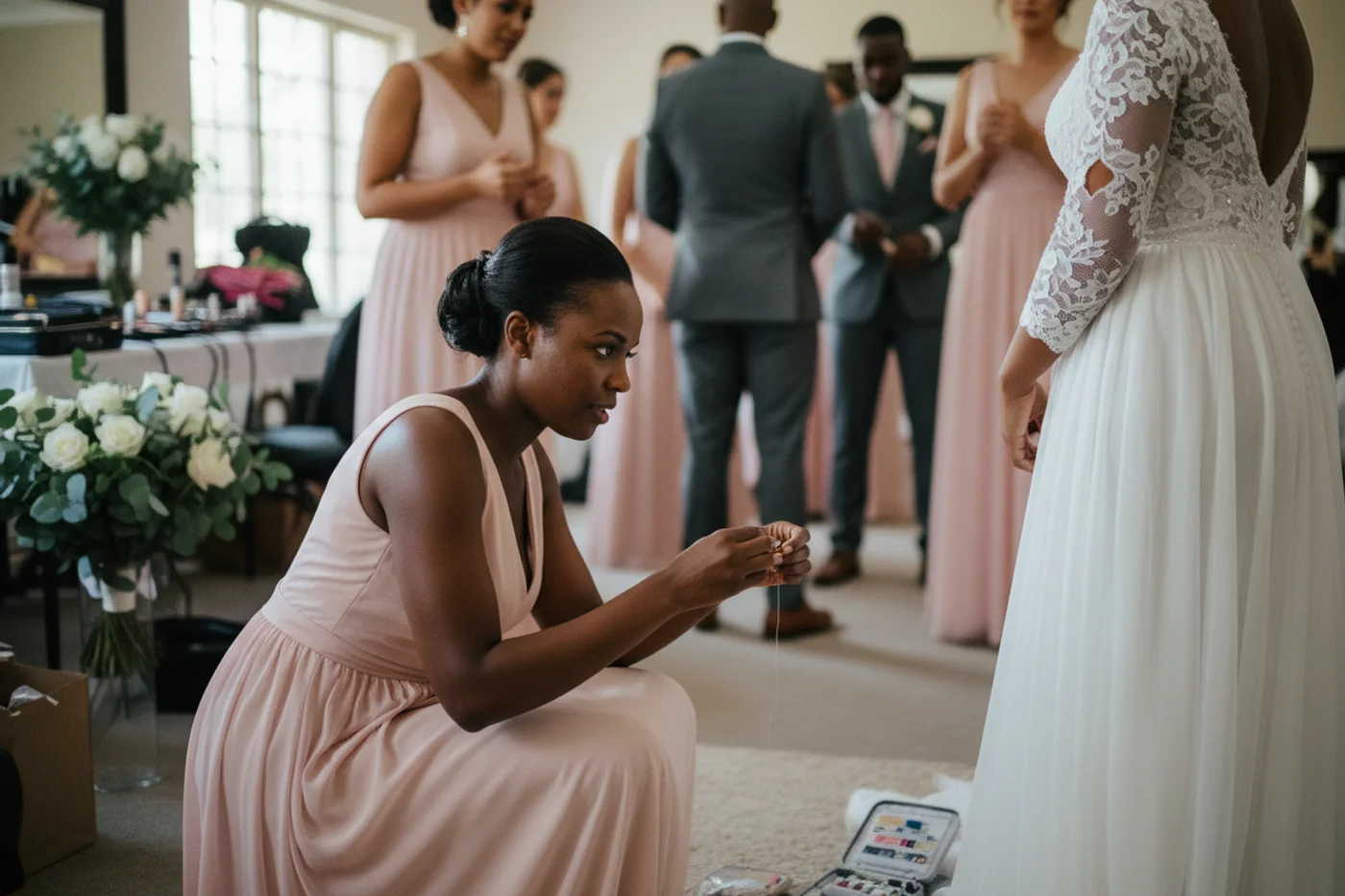
Wedding Day Emergency kit

Popular Wedding Traditions Explained
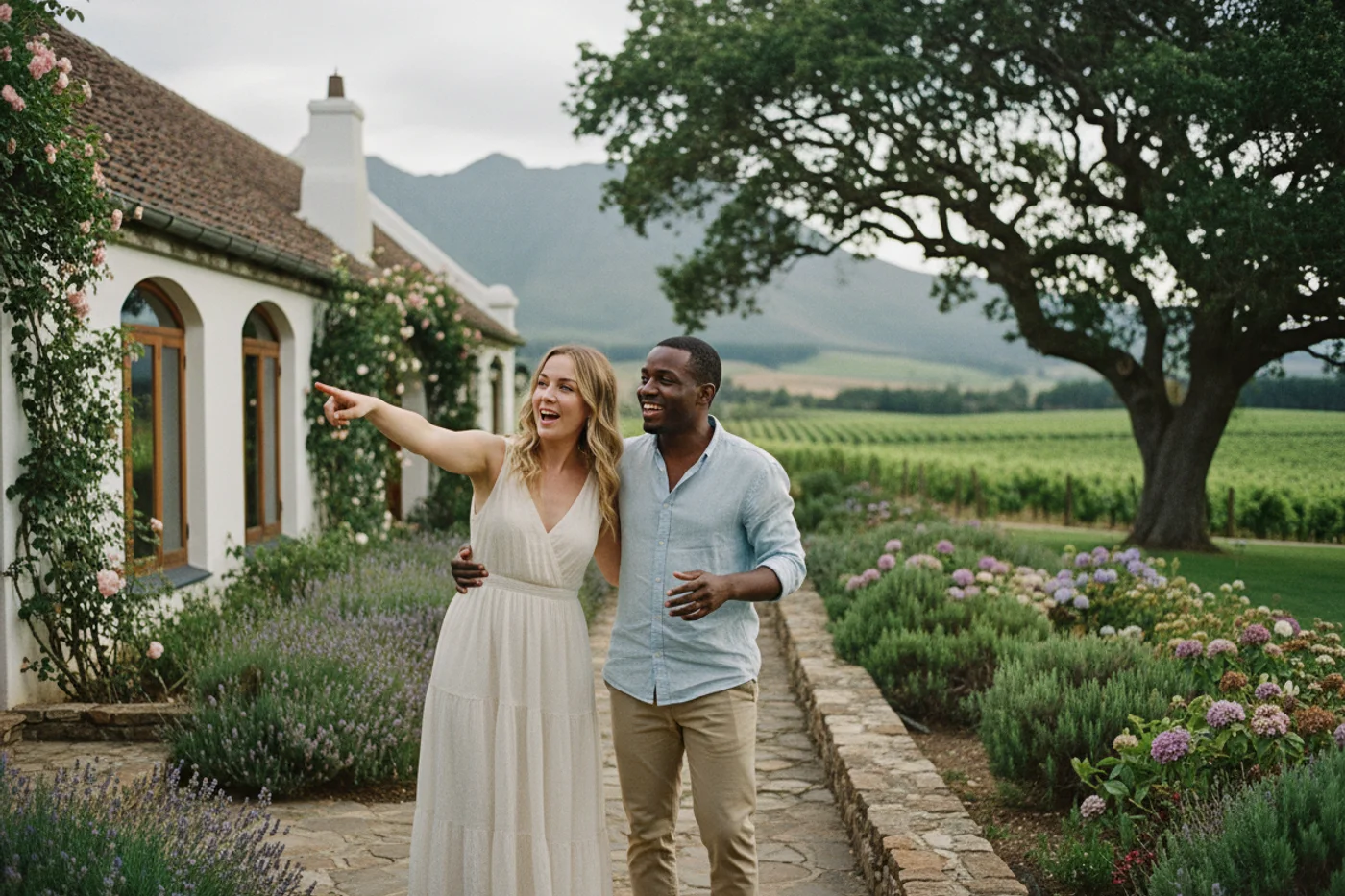
Questions to ask your wedding venue

What décor can I use for my vintage-themed wedding?

Is it acceptable to ask for cash in lieu of wedding gifts?
