Every bridal consultant has watched the same scene play out: a bride arrives with fifty saved photos of a dress on a model built nothing like her, tries it on, and stands in front of the mirror looking deflated. The dress isn't wrong. It's just on the wrong body. Fit flatters far more than fashion does, and once you know your shape, shopping stops being overwhelming and starts being efficient.
This isn't about fitting into a box or being told what you "should" wear. It's about walking into a bridal boutique already knowing which silhouettes are going to do the work for you, so you spend your fitting appointments trying on dresses you'll actually love, instead of everything in the shop.
Step One: Know Your Shape
Stand in front of a full-length mirror in your underwear and look honestly at where your body carries width and where it narrows. Most people fall roughly into one of five categories, though plenty of us sit somewhere between two.
- Pear shape: narrower shoulders and bust, with fuller hips, thighs and seat. Your waist is usually well defined.
- Apple shape: fuller through the waist and midsection, with slimmer legs and often a larger bust, but comparatively narrow shoulders.
- Hourglass shape: bust and hips are roughly balanced, with a distinctly narrower waist in between.
- Rectangle shape: shoulders, waist and hips are close to the same width, with minimal curve.
- Inverted triangle: broader shoulders and bust, tapering down to a narrower waist and hips.
If you're unsure, take your measurements rather than guessing from the mirror. A tape measure around the fullest part of your bust, your natural waist and the widest part of your hips will tell you more than a mirror ever will, especially once you're comparing the three numbers against each other rather than judging any of them in isolation.
Step Two: Know the Silhouettes
Bridal gowns break down into a handful of core silhouettes, and almost everything on a boutique floor is a variation on one of these.
- Ball gown: a fitted, structured bodice, often with boning or a corset-style back, dropping into a full skirt from the natural or dropped waist. This is the "fairytale" dress, built for drama, and it takes a long train well. Duchess satin and heavier silks hold the shape best.
- A-line: fitted through the bodice and gently flaring from the waist or hip into a clean A shape. It's the most universally flattering silhouette on the floor, which is exactly why it's the most common.
- Empire line: a raised waistline sitting just under the bust, with the skirt falling straight or slightly full from there. Because the fabric skims rather than clings over the stomach and hips, it's a favourite for pregnant brides and anyone who wants to minimise the midsection.
- Mermaid or trumpet: fitted from bust to somewhere around mid-thigh or knee, then flaring out sharply. This is the most figure-revealing silhouette and needs a genuinely well-fitted foundation to look intentional rather than restrictive.
- Sheath or column: a straight, close-following line from neckline to hem with minimal structure. Best in fluid fabrics like crepe or silk charmeuse that move rather than fight the body.
- Tea-length: hits between the knee and the ankle, showing off shoes and legs. Increasingly popular for smaller, less formal ceremonies and second weddings.
Step Three: Match Shape to Silhouette
These pairings are a starting point, not a rulebook, but they're a genuinely useful shortcut when a shop has three hundred dresses and you have ninety minutes.
- Pear shape: A-line, ball gown, or empire line to balance fuller hips against the shoulder line. A dress with structured or embellished detail at the neckline and bust draws the eye upward.
- Apple shape: A-line and empire line both skim the midsection instead of clinging to it. Look for a defined neckline, like a sweetheart or V-neck, to create the illusion of a waist.
- Hourglass shape: you can wear almost anything that doesn't hide your natural waist. Mermaid and fitted sheath silhouettes make the most of this shape; a fitted bodice on a ball gown works just as well.
- Rectangle shape: ball gown, empire line, or a sheath with structural details like ruching or a defined waist seam to introduce curve where the body doesn't naturally have it.
- Inverted triangle: A-line and ball gowns balance broader shoulders with volume at the hip. Avoid heavily structured, padded, or high necklines that add width up top.
Step Four: Necklines, Sleeves and Fabric
Silhouette gets you most of the way there, but the details finish the job. A few rules of thumb worth knowing before your first appointment:
- Sweetheart and V-necklines flatter almost every shape and are particularly kind to a fuller bust.
- Off-the-shoulder and boat necklines draw attention to the collarbone and shoulders, a good move for a pear or rectangle shape wanting more visual width up top.
- Illusion necklines (sheer fabric with embroidery or lace) give the look of skin exposure with more coverage, popular for brides who want a modest but still striking front.
- Heavier fabrics like duchess satin and mikado hold structure and are more forgiving of tummy or hip concerns, since they don't cling.
- Lighter fabrics like chiffon, silk crepe and georgette drape and move, better suited to sheath and empire silhouettes and to warm-weather, outdoor South African weddings where a heavy structured gown becomes uncomfortable fast.
Practical Rules Worth Knowing
- Full-figured brides: don't default to covering up. A deep V, off-the-shoulder neckline, or scoop neck flatters a curvier figure far more than a high, boned neckline that fights your natural shape.
- Petite brides: a very full ball gown skirt can overwhelm a smaller frame. A sheath, fitted A-line, or tea-length dress tends to look more proportionate.
- Tall brides: you can wear almost any silhouette, but a tea-length or dress with a defined waist seam breaks up a long line if you don't want to look even taller.
- Pregnant brides: avoid corseted or heavily boned bodices. Empire line is the most comfortable and flattering option through most of a pregnancy.
Shopping the Fitting, Not Just the Photo
It's worth saying plainly: a dress that photographs beautifully on Pinterest can look completely different on your actual body, in a shop's actual lighting, held up with actual clips because it's two sizes too big on the rack. Bridal sample sizes typically run smaller than off-the-rack sizing, and consultants clip excess fabric at the back to show you the shape. Trust the shape over the exact fit in the moment.
Book your first appointment eight to twelve months before the wedding if you're having anything made to order or heavily altered, since production and shipping can run long. Budget for alterations regardless of what you buy off the rack; almost no dress fits perfectly without them, and a proper fitting close to the date makes far more difference to how a dress looks than the label on the tag.
Bring the undergarments you actually plan to wear on the day to every fitting, including shoes with the right heel height. A dress hemmed for flats will drag on the floor in heels, and a strapless gown fitted without the bra you'll actually wear underneath can shift and gape by the time you're walking down the aisle.
Dressing for a South African Wedding Climate
Silhouette and shape matter, but so does the season you're marrying in, and South Africa's climate swings hard between regions. A December or January wedding in Durban or the Lowveld means heat and humidity that will punish a heavily boned, fully lined ball gown by the time you're through your speeches. Lighter fabrics like silk chiffon, crepe and organza, paired with a sheath, A-line or empire silhouette, will keep you comfortable and looking fresh in photos taken hours into a hot afternoon.
A winter wedding in Gauteng or the Karoo, on the other hand, where temperatures can drop sharply after sunset even on a clear day, gives you more room to wear a structured, heavier gown, or to plan for a beautiful bridal jacket, cape or faux-fur stole for the reception once the sun goes down. If you're marrying outdoors at any time of year, ask your dressmaker how the fabric behaves in wind; a fitted mermaid gown in a stiff fabric holds its line far better on a windy Cape Town afternoon than a full, floaty skirt that needs constant managing.
Working With a Local Bridal Boutique or Designer
South Africa has a strong pool of local bridal designers and boutiques who can either supply off-the-rack samples for a faster timeline or make a gown to measure over several months. A made-to-measure gown from a local designer often costs less than an imported designer sample once you factor in international shipping, customs and the alterations an imported gown almost always needs anyway. It also means fittings happen in person, with someone who can adjust the pattern rather than just take in seams.
Whichever route you choose, ask to see the designer or boutique's past work in person rather than only on Instagram, where lighting and styling can flatter a dress far more than it will look in your own venue's conditions. A good consultant will also be honest with you about which of your favourite saved styles will genuinely suit your shape, rather than simply selling you what's already made in your size.
The Bottom Line
Knowing your shape isn't about limiting your options, it's about walking into a boutique with a shortlist instead of a blank slate. Try on more than you think you'll like; shapes read completely differently on a body than on a hanger, and more than one bride has ended up married in a silhouette she swore she'd never wear. The goal isn't to follow the chart perfectly. It's to feel completely at ease in what you're wearing, because that confidence is what actually shows up in every photo from the day.

Why Short Wedding Dresses Are More Popular Than Ever

Choosing Your Dream Wedding Dress

Wedding Nails for the Bold and Beautiful: Nail Art Ideas

The Complete Guide to Menswear for Weddings
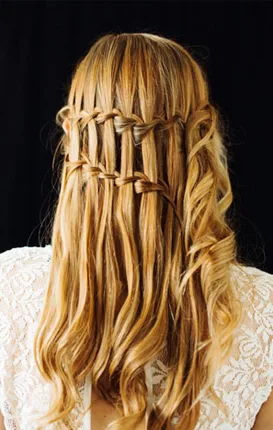
Braided Possibilities | braided hairstyles for your wedding day
